Benefits of Digital Health Records: Why Every Family Should Go Digital
Learn the key benefits of digital health records, including better organization, emergency preparedness, secure storage, easier insurance claims, and improved healthcare management for individuals and families.
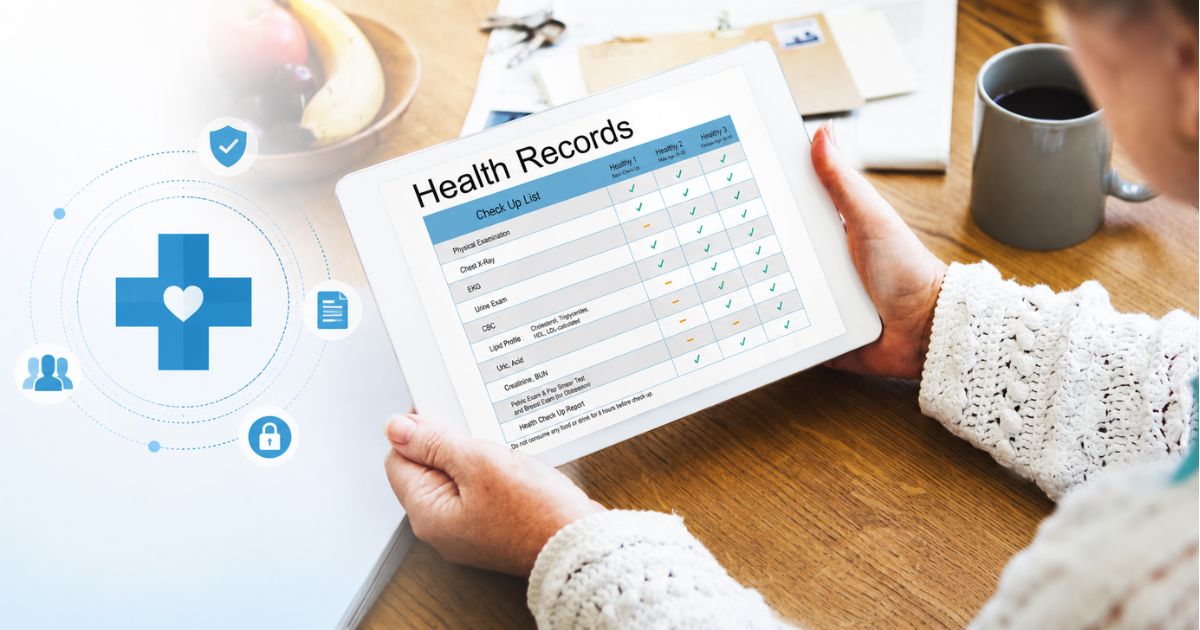
Healthcare records are among the most important documents people manage throughout their lives. Medical reports, prescriptions, insurance documents, vaccination records, hospital discharge summaries, and emergency health information all play a vital role in healthcare decisions. However, many individuals still rely on paper files stored in folders, cabinets, or drawers, making important information difficult to access when needed.
As healthcare becomes increasingly digital, more families are moving toward organized digital health records. Digital storage makes it easier to manage medical information, improve accessibility, reduce paperwork, and support better healthcare decisions.
Whether you are managing your own health records, caring for children, supporting elderly parents, or maintaining healthcare information for your entire family, digital health records provide a practical and secure solution.
In this guide, you will learn the key benefits of digital health records, how they improve healthcare management, and why every family should consider creating a structured digital health record system.
| Benefit | Description |
|---|---|
| Easy Access | Find important health records quickly. |
| Better Organization | Keep healthcare documents structured. |
| Emergency Preparedness | Access information during emergencies. |
| Secure Storage | Protect important records from loss. |
| Family Management | Manage records for multiple family members. |
| Faster Healthcare | Support informed treatment decisions. |
| Reduced Paperwork | Minimize document clutter. |
| Long-Term Preservation | Store records safely for years. |
What Are Digital Health Records?
Digital health records are electronic versions of healthcare documents that are stored and managed digitally rather than on paper. These records may include medical reports, prescriptions, diagnostic imaging, insurance documents, vaccination records, emergency health information, and treatment history.
Unlike traditional paper records, digital health records can be organized into folders, searched quickly, updated easily, and accessed whenever needed.
Many families now maintain digital health records to simplify healthcare management and improve access to important medical information.
Why Digital Health Records Matter
Healthcare decisions depend on accurate information. When records are incomplete, difficult to locate, or scattered across multiple locations, patients and healthcare providers may struggle to access the information they need.
Digital health records help solve this problem by creating a centralized location for storing healthcare information.
Improved Accessibility
One of the biggest advantages of digital health records is accessibility. Instead of searching through paper files, users can locate specific documents within seconds.
This can be especially valuable during:
-
Doctor appointments.
-
Medical emergencies.
-
Insurance claims.
-
Hospital admissions.
-
Specialist consultations.
Quick access to healthcare information helps improve communication and decision-making.
Better Organization
Paper records often become scattered over time. Medical reports may be stored in one location, insurance documents in another, and prescriptions somewhere else entirely.
Digital records allow users to organize information into clearly labeled folders such as:
-
Medical Reports.
-
Prescriptions.
-
Insurance Documents.
-
Vaccination Records.
-
Emergency Information.
-
Hospital Records.
A structured system makes healthcare management much easier.
Reduced Paper Clutter
Healthcare paperwork accumulates quickly. Over time, families may collect hundreds of pages of medical records, prescriptions, invoices, and insurance forms.
Digital storage reduces physical clutter while preserving important information in an organized format. This helps households maintain cleaner filing systems and reduces the risk of losing important documents.
Faster Medical Decisions
Doctors often need access to previous reports, treatment history, medication lists, and diagnostic results before recommending treatment. When records are organized digitally, patients can provide the required information more quickly.
This improves healthcare communication and helps providers make informed decisions based on complete medical histories.
Top Benefits of Digital Health Records
Easy Access to Medical Information
One of the most important benefits of digital health records is the ability to access information whenever it is needed. Instead of searching through filing cabinets or storage boxes, users can retrieve important healthcare documents almost instantly.
This convenience is especially helpful when visiting new healthcare providers or responding to unexpected medical situations.
Better Emergency Preparedness
Medical emergencies often require immediate access to critical information such as allergies, medications, blood group details, emergency contacts, and insurance information.
Families that maintain digital health records are often better prepared because important information remains available in a structured and accessible format.
To further improve preparedness, consider maintaining a dedicated Emergency Health Information Guide containing emergency contacts, medical conditions, medications, and essential healthcare records.
Improved Family Healthcare Management
Managing healthcare information for an entire family can be challenging, especially when multiple family members have different medical needs. Parents may need vaccination records for children, while caregivers may require ongoing treatment records for elderly family members.
Digital health records make family healthcare management easier by allowing documents to be organized separately for each individual.
A family health record system may include:
-
Children's vaccination records.
-
Medical reports for family members.
-
Prescription history.
-
Insurance information.
-
Emergency contact details.
-
Hospital records.
Keeping all family healthcare information organized helps improve coordination and ensures important documents remain accessible whenever needed.
Simplified Insurance Claims
Insurance claims often require supporting documentation such as medical reports, prescriptions, hospital bills, discharge summaries, and insurance forms. When these documents are scattered across multiple locations, preparing a claim can become time-consuming and frustrating.
Digital health records simplify the process by keeping all required documents organized in one place.
Families that maintain digital records can often submit claims more efficiently because supporting documents are already available and easy to locate.
For a complete list of insurance-related paperwork, review our Health Insurance Documents Checklist to ensure all required records are properly organized.
Better Healthcare Communication
Effective healthcare depends on clear communication between patients and healthcare providers. Accurate medical information allows doctors to understand treatment history, evaluate previous test results, and make informed recommendations.
Digital health records improve communication by providing immediate access to:
-
Medical history.
-
Laboratory reports.
-
Diagnostic imaging.
-
Medication lists.
-
Specialist recommendations.
-
Treatment summaries.
When patients can quickly provide accurate information, healthcare providers are better equipped to deliver appropriate care.
Long-Term Document Preservation
Paper documents can deteriorate over time due to moisture, accidental damage, fading, or loss. Some healthcare records may need to be retained for many years, making long-term preservation an important consideration.
Digital records help protect important healthcare information by creating durable copies that remain accessible for future reference.
Examples of records that benefit from long-term preservation include:
-
Major surgery reports.
-
Chronic condition records.
-
Vaccination history.
-
Insurance documentation.
-
Hospital discharge summaries.
-
Specialist treatment records.
Maintaining digital copies helps ensure these records remain available whenever needed.
Reduced Risk of Lost Records
One of the most common problems with paper-based healthcare systems is document loss. Important records may be misplaced, accidentally discarded, or stored in locations that family members cannot easily access.
Digital storage reduces this risk by providing a structured and searchable document management system.
When records are organized correctly, important healthcare information becomes easier to locate and maintain over time.
Convenient Record Sharing
Patients often need to share healthcare documents with hospitals, specialists, insurance providers, caregivers, or family members. Digital records simplify this process by making documents easier to locate and prepare for sharing.
Examples include:
-
Sharing reports with specialists.
-
Providing records during hospital admissions.
-
Submitting insurance claims.
-
Supporting second medical opinions.
-
Coordinating care among healthcare providers.
Quick access to healthcare information improves efficiency and reduces delays during important healthcare interactions.
Building a Complete Digital Health Record System
A strong digital health record system includes more than medical reports. The most effective systems combine multiple types of healthcare information into a single organized structure.
Your system should include:
-
Medical reports.
-
Prescriptions.
-
Insurance documents.
-
Emergency information.
-
Vaccination records.
-
Hospital discharge summaries.
-
Specialist reports.
-
Health-related receipts and invoices.
To create a complete healthcare document system, start by identifying your most important records. Our guide on Important Health Documents to Store can help you determine which healthcare documents should always be preserved.
Once your records have been collected, review our guide on How to Store Medical Reports Online to learn how to organize and manage healthcare information effectively for long-term access and security.
Digital Health Records for Families
Families often manage healthcare information for multiple individuals, each with different medical needs. Parents may need access to children's vaccination records, while caregivers may need medical information for elderly family members.
Digital health records simplify family healthcare management by keeping information organized, accessible, and easy to update.
A family healthcare system can include separate folders for:
-
Parents.
-
Children.
-
Senior family members.
-
Shared insurance documents.
-
Emergency contact information.
This structure helps prevent confusion and makes it easier to locate records when needed.
Families can also maintain centralized emergency information that includes insurance details, primary healthcare providers, and emergency contact lists.
Digital Health Records for Senior Citizens
Senior citizens often have more complex healthcare needs than younger individuals. Multiple medications, chronic conditions, specialist consultations, and ongoing treatments generate a large number of healthcare records.
Digital health records help seniors and caregivers manage:
-
Medication schedules.
-
Doctor appointments.
-
Hospital records.
-
Diagnostic reports.
-
Insurance information.
-
Treatment history.
Having organized records can improve communication between healthcare providers and reduce the likelihood of missing important information during treatment.
Caregivers also benefit from having access to updated medical information when supporting elderly family members.
Digital Health Records for Chronic Conditions
People managing long-term medical conditions often need to track healthcare information over many years. Maintaining organized digital records makes it easier to monitor health trends and share information with healthcare providers.
Digital health records are particularly useful for individuals managing:
-
Diabetes.
-
Heart disease.
-
High blood pressure.
-
Asthma.
-
Kidney disease.
-
Thyroid disorders.
-
Autoimmune conditions.
By keeping laboratory reports, prescriptions, treatment plans, and specialist recommendations together, patients can better understand their healthcare history and support informed treatment decisions.
Common Mistakes to Avoid
Although digital health records provide many benefits, poor organization can reduce their effectiveness. Avoiding common mistakes helps maintain a reliable healthcare document system.
Common mistakes include:
-
Storing files in multiple locations.
-
Using unclear file names.
-
Failing to update records regularly.
-
Keeping duplicate documents.
-
Ignoring backup copies.
-
Not organizing records into categories.
-
Failing to review healthcare information periodically.
A simple organization strategy can prevent these issues and improve long-term record management.
Best Practices for Managing Digital Health Records
Creating digital records is only the first step. Long-term success depends on maintaining a consistent management process.
Recommended best practices include:
-
Upload new reports immediately after receiving them.
-
Use clear and descriptive file names.
-
Create separate folders for different document types.
-
Maintain backup copies.
-
Review records every six months.
-
Remove outdated duplicate files.
-
Update emergency contact information regularly.
Following these practices helps ensure healthcare information remains accurate, organized, and useful.
Create a Structured Folder System
A structured folder system makes healthcare records easier to manage and access. Instead of storing all documents together, organize records into categories.
A recommended structure includes:
-
Medical Reports.
-
Prescriptions.
-
Insurance Documents.
-
Emergency Information.
-
Vaccination Records.
-
Hospital Records.
-
Specialist Reports.
-
Family Health Records.
This approach improves document management and supports faster access to information when needed.
Regularly Review and Update Records
Healthcare information changes over time. New medications, updated insurance policies, additional medical reports, and changing healthcare providers all require updates to your records.
Schedule periodic reviews to ensure:
-
Information remains accurate.
-
Emergency contacts are current.
-
Insurance records are updated.
-
New medical reports have been added.
-
Important documents are properly categorized.
Regular maintenance helps keep your digital health record system reliable and effective for years to come.
How Health Vault Simplifies Digital Health Record Management
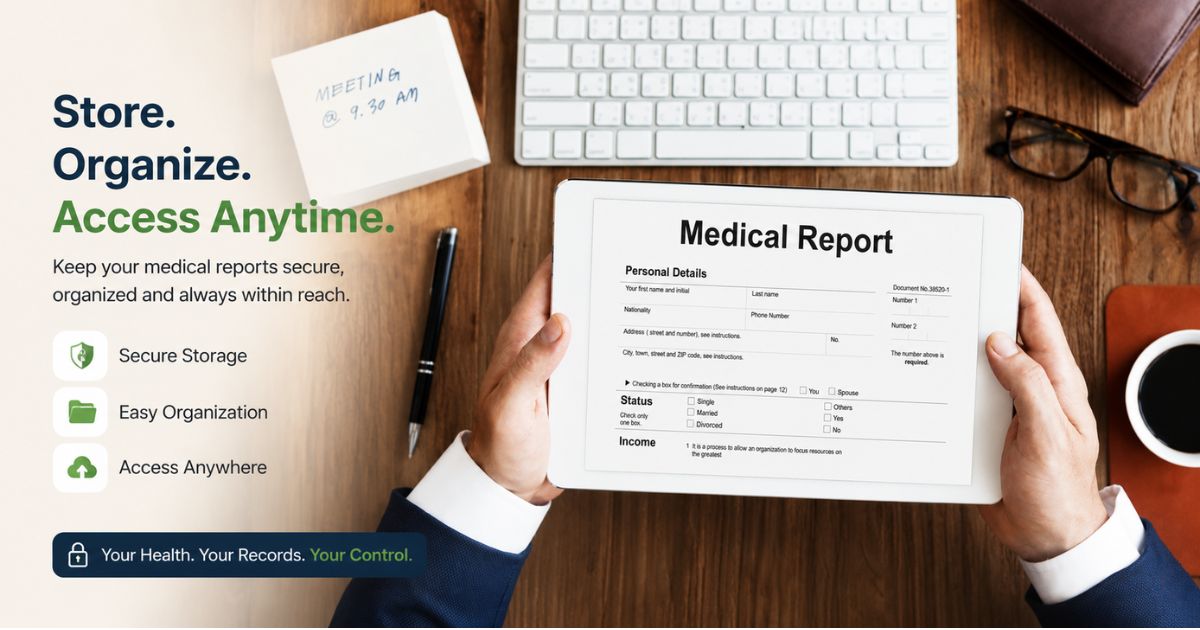
Managing healthcare information becomes much easier when all important records are stored in one organized location. A Health Vault provides a centralized system for storing medical reports, prescriptions, insurance documents, vaccination records, emergency information, and hospital records.
Instead of searching through multiple folders, devices, or paper files, users can quickly access the information they need whenever required.
Key benefits of using a Health Vault include:
-
Centralized healthcare document storage.
-
Improved organization.
-
Faster document retrieval.
-
Better family healthcare management.
-
Simplified insurance claim preparation.
-
Improved emergency preparedness.
-
Long-term record preservation.
By keeping all healthcare information together, individuals and families can manage records more efficiently while reducing the risk of misplaced documents.
Digital Health Record Review Schedule
Creating digital health records is only the beginning. Regular maintenance ensures information remains accurate, complete, and useful.
Task Recommended Frequency Add new medical reports After every healthcare visit Update prescriptions Whenever medications change Review insurance documents Annually Verify emergency contacts Every 6 months Check backup copies Every 6 months Review folder organization Quarterly
Following a consistent review schedule helps maintain a reliable healthcare document system.
The Future of Digital Health Records
Healthcare continues to move toward digital systems. Hospitals, laboratories, insurance providers, and healthcare professionals increasingly rely on electronic records to improve efficiency and patient care.
As digital healthcare evolves, patients who maintain organized health records will benefit from:
-
Improved access to healthcare information.
-
Better healthcare coordination.
-
Faster insurance processing.
-
Enhanced emergency preparedness.
-
Simplified long-term record management.
Digital health records are becoming an essential part of modern healthcare management for individuals and families.
Who Should Start Using Digital Health Records Today?
Digital health records can benefit nearly everyone, regardless of age or health status.
-
Families managing healthcare records.
-
Senior citizens.
-
Individuals with chronic conditions.
-
Frequent travelers.
-
Parents managing children's records.
-
Caregivers supporting family members.
-
Anyone wanting better healthcare organization.
Starting early makes it easier to build a complete healthcare record system over time.
Conclusion
Digital health records provide a practical solution for managing healthcare information in an organized, secure, and accessible way. From medical reports and prescriptions to insurance documents and emergency information, digital storage helps individuals and families maintain better control of their healthcare records.
The benefits extend beyond convenience. Better organization supports faster healthcare decisions, improved communication with healthcare providers, easier insurance claim management, stronger emergency preparedness, and long-term preservation of important information.
Whether you are managing your own records or organizing healthcare information for an entire family, creating a structured digital health record system can save time, reduce stress, and improve healthcare management.
To build a complete healthcare document system, start by reviewing our guides on Important Health Documents to Store, How to Store Medical Reports Online, Health Insurance Documents Checklist, and Emergency Health Information Guide. You can also use our Health Vault to securely organize all your healthcare records in one convenient location.
Frequently Asked Questions
cmp6hs57y000oc2bxnj5buqzv
Editorial Contributor
Author and technology contributor at NexaLifeVault.
Share this post
Comments (0)
No comments yet. Be the first to comment!