Emergency Health Information Guide: Essential Medical Details Every Family Should Keep Ready
Create a complete emergency health information file with medical records, allergies, medications, emergency contacts, insurance details, and healthcare documents to stay prepared during medical emergencies.
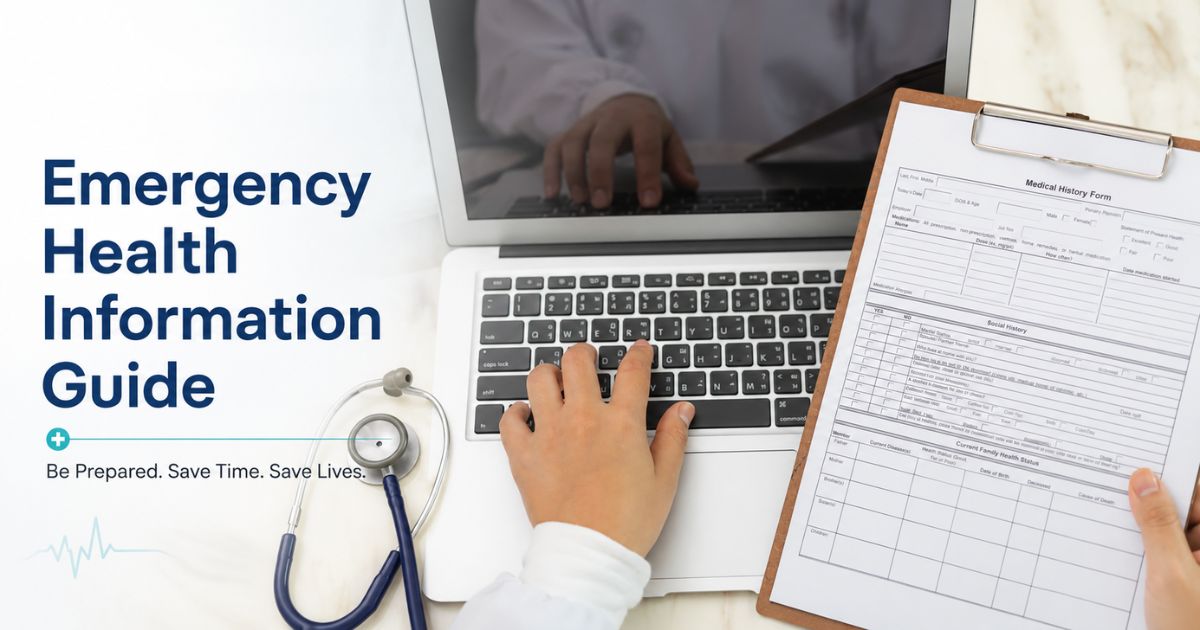
Medical emergencies can happen at any time. During these situations, having quick access to important health information can make a significant difference in the quality and speed of care. Doctors, nurses, and emergency responders often need immediate access to medical details before making treatment decisions. If critical information is unavailable, treatment may be delayed or medical errors can occur.
Many families keep health records in multiple places, including paper files, hospital portals, email accounts, and mobile devices. While this may seem manageable during normal circumstances, it can create confusion during emergencies when every minute matters.
An organized emergency health information file helps ensure that important medical details are available whenever needed. Whether you are managing your own healthcare, caring for children, supporting elderly parents, or maintaining family records, having emergency information prepared can improve safety and peace of mind.
In this guide, you will learn what emergency health information should be stored, why it is important, and how to organize these records for quick access during critical situations.
| Information | Why It Matters |
|---|---|
| Full Name | Patient identification and verification. |
| Blood Group | Supports emergency treatment decisions. |
| Allergies | Helps prevent harmful medical reactions. |
| Current Medications | Reduces risk of medication conflicts. |
| Medical Conditions | Provides important treatment history. |
| Emergency Contacts | Allows family notification. |
| Insurance Details | Supports hospital admission processes. |
| Doctor Information | Provides access to medical history. |
Information Why It Matters Full Name Patient identification and verification. Blood Group Supports emergency treatment decisions. Allergies Helps prevent harmful medical reactions. Current Medications Reduces risk of medication conflicts. Medical Conditions Provides important treatment history. Emergency Contacts Allows family notification. Insurance Details Supports hospital admission processes. Doctor Information Provides access to medical history.
Digital record management makes emergency preparedness easier by keeping important information accessible when needed. Discover the Benefits of Digital Health Records and how they support better healthcare planning.
What Is Emergency Health Information?
Emergency health information is a collection of medical details that healthcare professionals may need during an emergency. These records help doctors understand a patient's health history, identify risks, and make informed treatment decisions quickly.
Emergency health information includes personal details, medical conditions, allergies, medications, insurance information, and contact information for family members and healthcare providers.
The goal is simple: provide accurate health information as quickly as possible when normal communication may not be possible.
Why Every Family Needs an Emergency Health Information File
Many people assume they will always be able to explain their medical history during an emergency. Unfortunately, accidents, severe illness, unconsciousness, or stress can make communication difficult.
An emergency health information file ensures that important information remains available even when a patient cannot provide it personally.
Faster Emergency Care
Healthcare providers often need immediate information before starting treatment. Knowing a patient's medical conditions, medications, and allergies helps them make safer decisions more quickly.
Better Medical Decisions
Accurate medical history helps doctors choose appropriate treatments and avoid medications or procedures that may create additional risks.
Reduced Treatment Delays
When emergency information is already organized, healthcare teams spend less time gathering records and more time providing care.
Improved Family Preparedness
Family members often become responsible for sharing medical information during emergencies. Organized records make this process much easier and less stressful.
Essential Information to Keep Ready
An effective emergency health file should contain the most important details healthcare providers may need immediately.
Personal Identification Details
Basic identification information helps hospitals and emergency responders verify patient records and coordinate care.
Important identification details include:
-
Full legal name.
-
Date of birth.
-
Home address.
-
Phone number.
-
Government-issued identification information.
Keeping these details updated helps avoid administrative delays during treatment.
Blood Group Information
Blood group information can be extremely important during serious medical emergencies. Although hospitals typically perform verification testing before transfusions, having blood type information readily available can support emergency care planning.
Store blood group information together with your emergency records and ensure family members know where it can be found.
Allergy Information
Allergies are among the most critical pieces of emergency health information. Certain medications, foods, or medical materials can cause severe reactions if healthcare providers are unaware of existing allergies.
Your emergency file should include:
-
Medication allergies.
-
Food allergies.
-
Environmental allergies.
-
Previous severe allergic reactions.
Keeping this information updated helps reduce the risk of dangerous complications during treatment.
Current Medications
A current medication list is one of the most valuable documents during a medical emergency. Healthcare providers need to know which medicines a patient is taking before prescribing new treatments. Some medications can interact with others and may cause serious complications if proper information is unavailable.
Your medication list should include:
-
Medication name.
-
Dosage information.
-
Frequency of use.
-
Purpose of the medication.
-
Prescribing doctor's name.
Review this list regularly and update it whenever medications change.
Existing Medical Conditions
Chronic medical conditions can significantly influence emergency treatment decisions. Healthcare providers need accurate information about ongoing health issues to provide safe and effective care.
Important medical conditions may include:
-
Diabetes.
-
Heart disease.
-
High blood pressure.
-
Asthma.
-
Kidney disease.
-
Epilepsy.
-
Thyroid disorders.
-
Autoimmune conditions.
Include diagnosis dates, treatment details, and any important instructions provided by healthcare professionals.
Emergency Contact Information
Emergency contacts allow hospitals and healthcare providers to communicate with family members when necessary. These contacts should be reviewed periodically to ensure the information remains accurate.
Your emergency contact list should include:
-
Primary emergency contact.
-
Secondary emergency contact.
-
Relationship to the patient.
-
Phone numbers.
-
Email addresses if available.
Having multiple emergency contacts ensures someone can be reached even if the primary contact is unavailable.
Primary Doctor Information
Your primary healthcare provider is often the best source of information regarding your medical history. During emergencies, hospitals may need to contact your physician to verify treatments, medications, or existing health conditions.
Store:
-
Doctor's name.
-
Clinic or hospital name.
-
Office phone number.
-
Emergency contact number if available.
-
Specialist information.
Keeping healthcare provider details available can improve coordination between medical teams.
Health Insurance Information
Health insurance information should always be part of your emergency health records. Hospitals often request insurance details during admission, especially for planned procedures or extended treatment.
Important insurance information includes:
-
Insurance provider name.
-
Policy number.
-
Insurance card copy.
-
Coverage details.
-
Customer service contact information.
Well-organized insurance information helps reduce administrative delays and simplifies claim processing.
Important Emergency Documents to Store
Emergency preparedness involves more than storing contact information. Supporting medical documents should also be available for healthcare providers whenever necessary.
Essential emergency documents include:
-
Medical history records.
-
Hospital discharge summaries.
-
Laboratory reports.
-
Diagnostic imaging reports.
-
Current prescriptions.
-
Health insurance documents.
-
Vaccination records.
-
Special treatment plans.
Keeping these records organized ensures healthcare professionals have access to accurate information during treatment.
Creating an Emergency Health Information Checklist
A simple checklist helps ensure that no critical information is overlooked.
Emergency Information Status Personal Identification Completed Blood Group Information Completed Allergy Information Completed Current Medications Completed Medical Conditions Completed Emergency Contacts Completed Doctor Information Completed Insurance Details Completed
Reviewing this checklist regularly helps ensure emergency information remains current and complete.
Before building your emergency health file, it is helpful to review our guide on Important Health Documents to Store to ensure all critical records are available. You should also learn How to Store Medical Reports Online so emergency documents remain organized and accessible. Additionally, our Health Insurance Documents Checklist can help you prepare insurance paperwork that may be required during hospital admissions and emergency treatments.
Creating a Digital Emergency Health Folder
A digital emergency health folder provides quick access to critical information whenever it is needed. Instead of searching through multiple files, emails, or hospital portals, you can keep all important records organized in one secure location.
Your emergency folder should contain the most frequently requested healthcare information and supporting documents.
A recommended folder structure includes:
-
Personal Identification
-
Emergency Contacts
-
Medical Conditions
-
Current Medications
-
Allergy Information
-
Medical Reports
-
Insurance Documents
-
Hospital Records
-
Vaccination Records
This structure makes it easier to locate information quickly during stressful situations.
Use Clear File Names
Proper file naming improves organization and reduces confusion when multiple records need to be accessed quickly.
Examples include:
-
Emergency_Contact_List_2026.pdf
-
Medication_List_June_2026.pdf
-
Blood_Group_Record.pdf
-
Health_Insurance_Card.pdf
-
Hospital_Discharge_Summary_2025.pdf
Consistent naming conventions make emergency records easier to manage and update.
Emergency Information for Children
Parents should maintain a dedicated emergency health record for every child. During emergencies, quick access to accurate information helps healthcare providers deliver appropriate treatment without delay.
Important information includes:
-
Birth information.
-
Vaccination records.
-
Allergy information.
-
Current medications.
-
Pediatrician contact details.
-
Medical conditions.
-
Emergency contacts.
Children may not always be able to explain their medical history, making organized records especially valuable.
Emergency Information for Senior Citizens
Senior citizens often manage multiple medications and ongoing health conditions. Keeping emergency records updated helps healthcare professionals understand treatment history and make informed decisions.
Important records include:
-
Medication schedules.
-
Chronic medical conditions.
-
Cardiology reports.
-
Diabetes records.
-
Health insurance information.
-
Primary doctor details.
-
Emergency contacts.
Caregivers and family members should know where these records are stored and how to access them when needed.
Create a Family Emergency Health Plan
Every family should have a simple emergency health plan that explains where important records are stored and who should be contacted during emergencies.
A family emergency plan should include:
-
Emergency contact information.
-
Hospital preferences.
-
Primary healthcare provider details.
-
Insurance information.
-
Medical condition summaries.
-
Access instructions for digital records.
Sharing this information with trusted family members improves preparedness and reduces confusion during unexpected situations.
Common Mistakes People Make
Many individuals recognize the importance of emergency records but fail to maintain them properly. Small mistakes can create significant challenges during medical emergencies.
Common mistakes include:
-
Keeping outdated contact information.
-
Not updating medication lists.
-
Forgetting to record allergies.
-
Storing records across multiple locations.
-
Not creating backup copies.
-
Failing to inform family members where records are stored.
-
Keeping incomplete insurance information.
A simple review every few months can help prevent these problems and ensure records remain useful.
Benefits of Keeping Emergency Health Records Digitally
Digital records provide several advantages over traditional paper-based storage. They improve accessibility, organization, and long-term document preservation.
-
Quick access during emergencies.
-
Better organization.
-
Reduced paperwork.
-
Easy updates.
-
Convenient sharing with healthcare providers.
-
Improved family preparedness.
-
Secure backup options.
Digital storage allows individuals and families to maintain important health information in a structured and accessible format.
How Health Vault Helps During Emergencies
A Health Vault provides a centralized location for storing and managing important medical information. Instead of searching through filing cabinets, email accounts, hospital portals, or multiple devices, individuals and families can keep essential records organized in one secure place.
During emergencies, quick access to accurate information can help healthcare providers make informed treatment decisions. A Health Vault simplifies this process by bringing together medical reports, insurance information, medication lists, emergency contacts, and treatment history.
Benefits of using a Health Vault include:
-
Centralized document storage.
-
Quick access to emergency information.
-
Improved organization.
-
Simplified family record management.
-
Easy document updates.
-
Better emergency preparedness.
-
Long-term document preservation.
Having all important health information available in one place can reduce stress and improve response times during critical situations.
Maintaining Emergency Health Records Over Time
Emergency health information should never remain static. Medical conditions, medications, insurance policies, and contact information can change over time. Regular updates ensure healthcare providers always receive the most accurate information.
Important updates should be made whenever:
-
A new medication is prescribed.
-
A medication is discontinued.
-
A new medical condition is diagnosed.
-
Insurance coverage changes.
-
Emergency contact information changes.
-
A new healthcare provider is added.
-
Major medical treatment occurs.
Keeping records current improves their usefulness during both routine healthcare visits and emergencies.
Emergency Health Record Review Schedule
A regular review schedule helps ensure that emergency information remains accurate and complete.
Task Recommended Frequency Review emergency contacts Every 6 months Update medication list Whenever medications change Review insurance information Annually Add new medical reports After every healthcare visit Update doctor information Whenever providers change Verify backup copies Every 6 months
Following a review schedule helps prevent outdated information from creating problems during emergencies.
Who Should Have an Emergency Health Information File?
Although emergency records are valuable for everyone, some individuals benefit even more from maintaining organized health information.
-
Families with young children.
-
Senior citizens.
-
People with chronic health conditions.
-
Individuals taking multiple medications.
-
Frequent travelers.
-
Caregivers responsible for family members.
-
People with severe allergies.
Regardless of age or health status, maintaining emergency information improves preparedness and reduces uncertainty during unexpected situations.
Building a Complete Emergency Health Information Checklist
A complete emergency health file should contain all essential medical and contact information needed during a healthcare emergency.
Your checklist should include:
-
Personal identification information.
-
Blood group details.
-
Allergy information.
-
Current medication list.
-
Medical condition summary.
-
Emergency contacts.
-
Primary doctor information.
-
Health insurance details.
-
Medical reports.
-
Hospital records.
-
Vaccination records.
-
Treatment history.
Reviewing this checklist regularly helps ensure nothing important is missing.
Conclusion
Medical emergencies are unpredictable, but preparation can make a significant difference. An organized emergency health information file helps healthcare providers access critical information quickly, supports better treatment decisions, and reduces unnecessary delays during urgent situations.
From personal identification and blood group information to medications, allergies, insurance details, and medical reports, every record plays an important role in protecting your health and safety. Maintaining accurate and updated records ensures that both healthcare professionals and family members can access the information they need when it matters most.
Creating a digital emergency health record system is one of the simplest ways to improve healthcare preparedness for yourself and your family.
If you are building a complete healthcare document system, explore our guides on Important Health Documents to Store, How to Store Medical Reports Online, and Health Insurance Documents Checklist. You can also use our Health Vault to securely organize emergency information, medical records, prescriptions, insurance documents, and other essential healthcare files in one convenient location.
Frequently Asked Questions
cmp6hs57y000oc2bxnj5buqzv
Editorial Contributor
Author and technology contributor at NexaLifeVault.
Share this post
Comments (0)
No comments yet. Be the first to comment!