Health Insurance Documents Checklist: Essential Records You Should Keep Safe
Stay prepared with this complete health insurance documents checklist. Learn which policies, medical bills, prescriptions, claim forms, and healthcare records you should keep organized for faster insurance claims and secure digital document management.
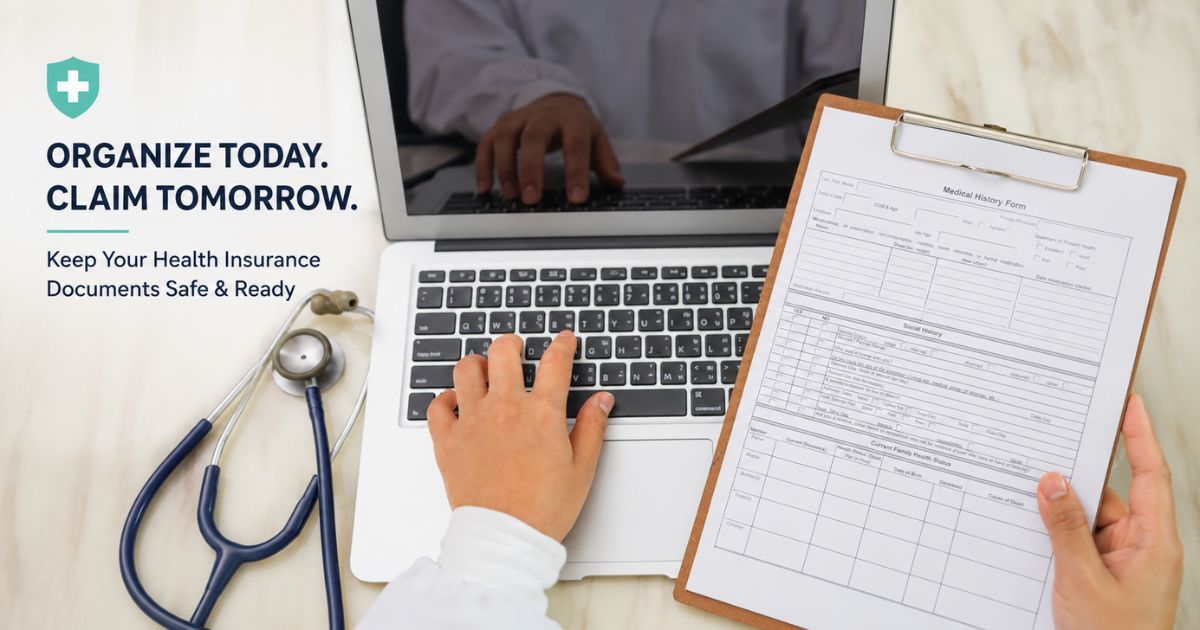
Health insurance provides financial protection during medical emergencies, planned treatments, surgeries, and routine healthcare expenses. However, having a health insurance policy alone is not enough. To receive the full benefits of your coverage, you must also keep your health insurance documents organized, updated, and easily accessible.
Many insurance claims are delayed because policy holders can not provide the required documents at the right time. Missing hospital bills, misplaced prescriptions, incomplete claim forms, or outdated policy copies can create unnecessary complications during an already stressful situation.
Creating a complete health insurance documents checklist helps you prepare in advance. Whether you are planning a hospital visit, filing a reimbursement claim, or using a cashless treatment facility, having every important document ready can save valuable time and reduce paperwork.
In this guide, you'll learn which health insurance documents you should always keep, why they are important, and how to organize them securely for quick access whenever you need them.
| Document | Purpose |
|---|---|
| Health Insurance Policy | Shows coverage, benefits, and policy details. |
| Insurance Card | Used for hospital verification. |
| Government ID | Identity verification during claims. |
| Medical Bills | Required for reimbursement requests. |
| Doctor Prescriptions | Supports treatment verification. |
| Diagnostic Reports | Medical evidence for claims. |
| Hospital Discharge Summary | Confirms treatment details. |
| Claim Forms | Required to process insurance claims. |
| Pharmacy Bills | Medicine expense verification. |
| Payment Receipts | Proof of medical payments. |
Keeping insurance documents digitally organized can simplify claims and improve accessibility. Learn more about the Benefits of Digital Health Records and how digital storage supports better healthcare management.
What Are Health Insurance Documents?
Health insurance documents are official records that help verify your insurance coverage, medical treatment, healthcare expenses, and claim eligibility. These documents are requested by hospitals, insurance companies, healthcare providers, and third-party administrators during claim processing.
They also help policyholders understand the benefits included in their insurance plan, coverage limits, exclusions, waiting periods, and reimbursement procedures.
Keeping these documents organized ensures that important information is always available whenever you need medical treatment or submit an insurance claim.
Why Keeping Health Insurance Documents Organized Matters
Good document management is just as important as choosing the right insurance policy. Organized records reduce delays, improve communication with hospitals, and make claim processing much smoother.
Faster Insurance Claims
Insurance companies often require multiple supporting documents before approving a claim. When every record is already organized, you can submit the required paperwork without unnecessary delays.
Easy Hospital Admission
Many hospitals ask for insurance details before providing cashless treatment. Having your insurance card, identification documents, and policy information readily available speeds up the admission process.
Reduced Claim Rejections
Incomplete documentation is one of the most common reasons insurance claims are delayed or rejected. Keeping every required document together reduces the chances of missing important paperwork.
Better Financial Planning
Organized insurance records help you track healthcare expenses, reimbursement history, annual coverage limits, and policy renewals. This information supports better long-term financial planning for individuals and families.
Essential Health Insurance Documents Checklist
Every policyholder should maintain a complete collection of insurance-related documents. The following records form the foundation of an organized health insurance file.
Health Insurance Policy
Your insurance policy is the most important document in your health insurance folder. It explains what your insurance covers, the coverage amount, waiting periods, exclusions, deductibles, and claim procedures.
Store both the original document and a digital copy for easy access.
Health Insurance Card
Your insurance card contains important policy information that hospitals use to verify your coverage. Many healthcare facilities request this card before beginning treatment.
Keep both physical and digital copies available, especially when traveling.
Government Identification
Insurance providers usually require identity verification before processing claims. Store digital copies of government-issued identification documents together with your insurance records.
Examples include:
-
Passport
-
Driver's License
-
National Identification Card
-
Other Government-Issued Identity Documents
Medical Bills
Medical bills provide evidence of healthcare expenses and are often required for reimbursement claims. Always collect itemized bills from hospitals, clinics, laboratories, and pharmacies.
Important medical bills include:
-
Hospital bills
-
Doctor consultation fees
-
Diagnostic testing charges
-
Emergency room bills
-
Surgery invoices
-
Medical equipment invoices
Doctor Prescriptions
Prescriptions confirm that medicines and treatments were recommended by a qualified healthcare professional. Insurance providers may request prescriptions to verify medical necessity before approving certain claims.
Always save prescriptions together with pharmacy bills for easier claim verification.
Diagnostic Reports
Laboratory reports and diagnostic imaging provide medical evidence supporting your treatment. These documents help insurance companies understand the reason for hospitalization, medication, or specialized procedures.
Examples include:
-
Blood test reports
-
X-ray reports
-
MRI scans
-
CT scan reports
-
Ultrasound reports
-
ECG reports
Keeping these reports organized also makes future medical consultations easier, especially when comparing previous test results.
Hospital Discharge Summary
A hospital discharge summary is one of the most valuable documents you should keep after leaving a hospital. It provides a complete overview of your diagnosis, treatments, procedures, medications, follow-up instructions, and the doctor's recommendations.
Insurance companies frequently request discharge summaries to verify that hospitalization and treatment were medically necessary.
Make sure your discharge summary includes:
-
Patient details.
-
Date of admission.
-
Date of discharge.
-
Diagnosis.
-
Treatment provided.
-
Surgical procedures, if applicable.
-
Medication instructions.
-
Follow-up recommendations.
Keeping a digital copy of this document ensures it remains available whenever future medical care or insurance verification is required.
Health Insurance Claim Forms
Claim forms are official documents used to request reimbursement from your insurance provider. Every insurance company may have slightly different claim requirements, so always use the latest version of the form.
Before submitting a claim, verify that all sections have been completed accurately.
Typical claim forms require:
-
Policy number.
-
Patient information.
-
Hospital information.
-
Treatment details.
-
Expense summary.
-
Bank account details.
-
Required signatures.
Keeping blank claim forms and copies of previously submitted claims can make future claim submissions much easier.
Pharmacy Bills and Medicine Receipts
Prescription medicines often represent a significant portion of healthcare expenses. Pharmacy bills serve as proof that medications were purchased following a doctor's recommendation.
Always keep:
-
Original pharmacy bills.
-
Medicine purchase receipts.
-
Digital copies of invoices.
-
Prescription attached to each purchase.
Some insurance policies reimburse eligible medication costs, making pharmacy documentation an important part of your insurance records.
Medical Payment Receipts
Payment receipts verify that healthcare expenses have already been paid. These documents may be required during reimbursement claims or financial record keeping.
Store receipts for:
-
Hospital payments.
-
Consultation fees.
-
Diagnostic tests.
-
Laboratory services.
-
Medical equipment purchases.
-
Emergency treatment expenses.
Keeping payment receipts together with invoices helps create a complete financial record of your healthcare expenses.
Documents Required Before Hospitalization
Preparing your insurance documents before hospitalization helps avoid unnecessary delays during admission. Whether your treatment is planned or unexpected, having these records ready can simplify the process.
Before visiting the hospital, prepare:
-
Health insurance policy.
-
Insurance identification card.
-
Government-issued identification.
-
Previous medical reports.
-
Doctor referral letter, if applicable.
-
Recent laboratory reports.
-
Current prescription records.
Keeping these documents together ensures hospital staff can verify your insurance coverage quickly.
Documents Required During Hospitalization
During treatment, additional documents are generated that should be preserved carefully. These records support both your healthcare history and future insurance claims.
Important documents include:
-
Daily treatment records.
-
Doctor consultation notes.
-
Diagnostic reports.
-
Surgery reports.
-
Nursing records.
-
Hospital invoices.
-
Medicine bills.
Collecting these documents before leaving the hospital reduces the chance of missing important paperwork later.
Documents Required After Hospital Discharge
Once treatment has been completed, organize all documents received from the hospital into a single folder. This makes future claims, follow-up consultations, and medical record management much easier.
Your post-discharge checklist should include:
-
Hospital discharge summary.
-
Final hospital bill.
-
Doctor prescriptions.
-
Laboratory reports.
-
Medical imaging reports.
-
Follow-up appointment schedule.
-
Insurance claim documents.
Review every document before leaving the hospital to ensure nothing is missing.
Cashless vs Reimbursement Claims
Health insurance claims generally fall into two categories: cashless claims and reimbursement claims. Understanding the difference helps you prepare the correct documentation in advance.
Cashless ClaimReimbursement Claim Treatment at a network hospital.Payment made by the patient first. Insurance company settles eligible bills directly.Insurance company reimburses approved expenses later. Requires policy verification before treatment.Requires complete supporting documents after treatment. Usually involves less paperwork for the patient.Requires bills, prescriptions, receipts, and claim forms.
Understanding which claim process applies to your policy helps you prepare the right documents before beginning treatment.
Before organizing your insurance paperwork, it's helpful to review our guide on Important Health Documents to Store to ensure no essential records are missing. You should also learn How to Store Medical Reports Online so your insurance documents and medical reports remain securely organized and easily accessible whenever you need them.
How to Organize Health Insurance Documents Digitally
Keeping health insurance documents organized digitally makes them easier to access during hospital visits, claim submissions, policy renewals, and medical emergencies. Instead of searching through paper files, you can locate the required document within seconds using a well-structured folder system.
Create one main folder named Health Insurance and divide it into smaller categories.
-
Insurance Policy
-
Insurance Cards
-
Claim Forms
-
Medical Bills
-
Diagnostic Reports
-
Doctor Prescriptions
-
Hospital Records
-
Payment Receipts
-
Policy Renewal Documents
This simple folder structure keeps related documents together and reduces confusion when multiple claims or treatments are involved.
Use a Consistent File Naming System
A good file naming convention makes searching much faster. Avoid generic names like "Document.pdf" or "Bill.jpg." Instead, include the document type and date in the file name.
Examples:
-
Health_Insurance_Policy_2026.pdf
-
Hospital_Bill_June_2026.pdf
-
Claim_Form_May_2026.pdf
-
Blood_Test_Report_April_2026.pdf
-
Discharge_Summary_March_2026.pdf
-
Medicine_Receipt_June_2026.pdf
Following the same naming format for every document keeps your records clean, searchable, and easy to manage.
Best Practices for Storing Health Insurance Documents
Simply scanning your insurance papers is not enough. Following a few best practices helps keep your records secure and useful for many years.
-
Scan documents in high quality.
-
Save important records in PDF format.
-
Keep both digital and original paper copies.
-
Update files after every hospital visit.
-
Replace expired insurance policies.
-
Maintain backup copies regularly.
-
Review your document folder every six months.
Developing these habits ensures your insurance records remain complete and accurate.
Protect Sensitive Insurance Information
Health insurance documents contain personal information, financial details, and medical records. Protecting these files is just as important as organizing them.
To improve document security:
-
Use strong passwords for storage accounts.
-
Enable two-factor authentication whenever possible.
-
Avoid sharing documents over unsecured public networks.
-
Review access permissions regularly.
-
Remove duplicate copies stored in different locations.
Only share insurance documents with trusted healthcare providers or authorized insurance representatives.
Common Mistakes People Make
Many policyholders unintentionally create problems during claim processing because important documents are incomplete or poorly organized.
Common mistakes include:
-
Losing original hospital bills.
-
Throwing away doctor prescriptions.
-
Keeping expired policy documents.
-
Forgetting to save diagnostic reports.
-
Using confusing file names.
-
Not creating backup copies.
-
Storing documents across multiple devices.
A simple organization system helps avoid these issues and reduces delays when filing insurance claims.
How Long Should You Keep Health Insurance Documents?
Many people discard insurance documents immediately after receiving claim approval. However, keeping important records for future reference is a good practice.
Consider retaining:
-
Insurance policies until they expire and are replaced.
-
Claim documents for several years.
-
Hospital bills related to major treatments.
-
Surgery records permanently.
-
Medical reports supporting chronic conditions.
-
Payment receipts for financial records.
Maintaining historical insurance records can be helpful if future questions or disputes arise.
Benefits of Using a Health Vault for Insurance Documents
A dedicated Health Vault provides a secure and organized location for storing health insurance documents alongside your medical records. Instead of keeping policy papers, prescriptions, bills, and reports in separate locations, you can manage everything from one centralized system.
Benefits include:
-
Centralized document storage.
-
Quick access during emergencies.
-
Faster claim preparation.
-
Better organization of healthcare records.
-
Simplified document sharing.
-
Reduced paperwork.
-
Easy long-term record management.
Keeping insurance records together with your medical reports creates a complete healthcare document system that supports better planning and easier access whenever documents are required.
Building a Complete Health Insurance Document Checklist
Creating a complete health insurance document checklist helps you stay prepared throughout your healthcare journey. Instead of collecting paperwork only when you need to file a claim, maintain your records regularly so they are always ready for hospital visits, policy renewals, and medical emergencies.
Your checklist should include the following:
-
Health insurance policy.
-
Insurance identification card.
-
Government-issued identity proof.
-
Hospital admission records.
-
Doctor prescriptions.
-
Medical bills and invoices.
-
Diagnostic reports.
-
Hospital discharge summary.
-
Medicine receipts.
-
Insurance claim forms.
-
Payment receipts.
-
Policy renewal documents.
-
Emergency contact information.
Review this checklist every few months and update it whenever new healthcare documents become available.
Why Digital Health Insurance Records Are the Future
Healthcare is becoming increasingly digital. Hospitals, diagnostic laboratories, insurance providers, and healthcare professionals now provide electronic reports and online claim services that make digital document management more practical than ever.
Instead of maintaining large paper files, many individuals now prefer to organize their insurance records digitally because it offers:
-
Faster document retrieval.
-
Improved organization.
-
Reduced paperwork.
-
Easy document sharing.
-
Better long-term preservation.
-
Convenient access from multiple devices.
-
Improved emergency preparedness.
Keeping your insurance documents organized digitally also makes annual policy reviews and future healthcare planning much simpler.
Who Should Maintain Health Insurance Documents?
Every insured individual should maintain organized insurance records, but proper document management becomes especially valuable for certain groups.
-
Families with children.
-
Senior citizens.
-
People with chronic medical conditions.
-
Individuals with family health insurance plans.
-
Frequent travelers.
-
People receiving ongoing medical treatment.
-
Caregivers managing healthcare for elderly family members.
These individuals often need quick access to insurance documents, medical reports, and treatment records, making proper organization essential.
Create a Regular Document Review Routine
Health insurance documentation should never be treated as a one-time task. Your healthcare records continue to grow throughout your life, and your insurance information may change whenever policies are renewed or coverage is updated.
A simple review schedule can help keep everything organized.
TaskRecommended Frequency Review insurance policyOnce a year Add new medical reportsAfter every hospital visit Upload new prescriptionsWhenever medication changes Check backup copiesEvery 6 months Replace expired documentsImmediately after renewal
Following this routine helps ensure that your health insurance records remain complete, accurate, and easy to access.
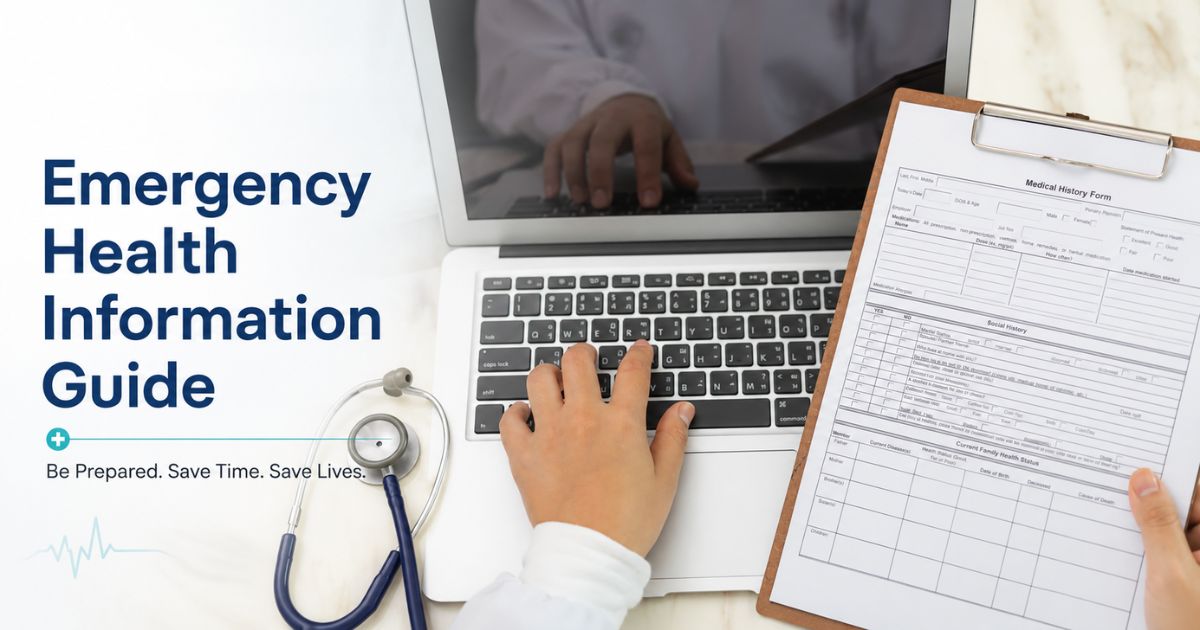
Along with insurance documents, every family should maintain essential emergency medical information. Visit our Emergency Health Information Guide to create a complete emergency health file that includes medical records, medications, allergies, and emergency contacts.
Conclusion
Keeping a complete health insurance documents checklist is one of the easiest ways to simplify healthcare management. Organized records help speed up insurance claims, support hospital admissions, reduce paperwork, and ensure that important medical information is always available when needed.
From your insurance policy and identification documents to hospital bills, prescriptions, diagnostic reports, and payment receipts, every document plays an important role in protecting your healthcare benefits. Creating digital copies, organizing files properly, and reviewing your records regularly can save valuable time during both planned treatments and unexpected medical emergencies.
A well-organized document system not only supports faster insurance claims but also provides peace of mind, knowing that your important healthcare information is safe and accessible whenever you need it.
If you want to manage all your insurance documents in one secure location, explore our Health Vault to organize policies, claims, prescriptions, and medical records more efficiently. You may also find our guides on Important Health Documents to Store and How to Store Medical Reports Online helpful for building a complete digital health document system.
Frequently Asked Questions
cmp6hs57y000oc2bxnj5buqzv
Editorial Contributor
Author and technology contributor at NexaLifeVault.
Share this post
Comments (0)
No comments yet. Be the first to comment!