How to Organize Important Legal Documents (2026 Guide)
Most people only go looking for a will, a property deed, or a power of attorney form during a stressful moment a hospital admission, a property sale, or after a family member has passed away. If those documents are scattered across drawers, old email folders, and forgotten cloud accounts, that stress multiplies. Knowing how to organize important legal documents means building a system now, while nothing urgent is happening, so the right paper or file is findable in minutes rather than days. This guide covers which legal documents matter most, how to categorize them, and how to keep them both accessible and secure.
Which Legal Documents Should You Keep?
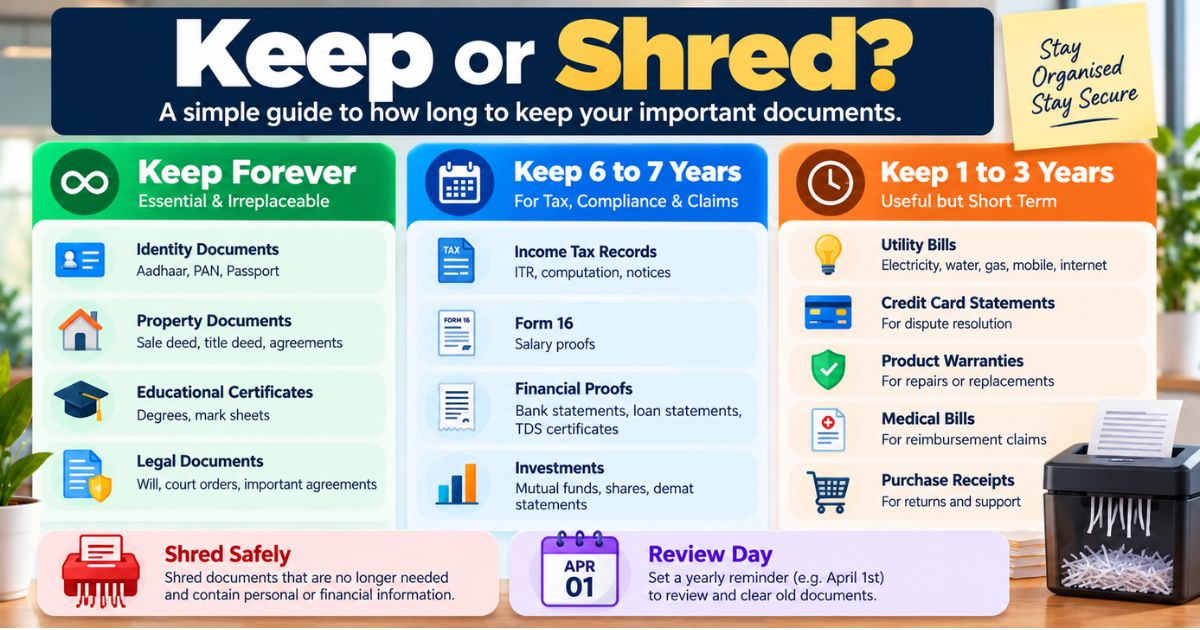
The core legal documents most individuals and families need to track fall into a few groups:
- Identity and civil records: birth certificates, marriage or divorce certificates, adoption papers, name-change orders
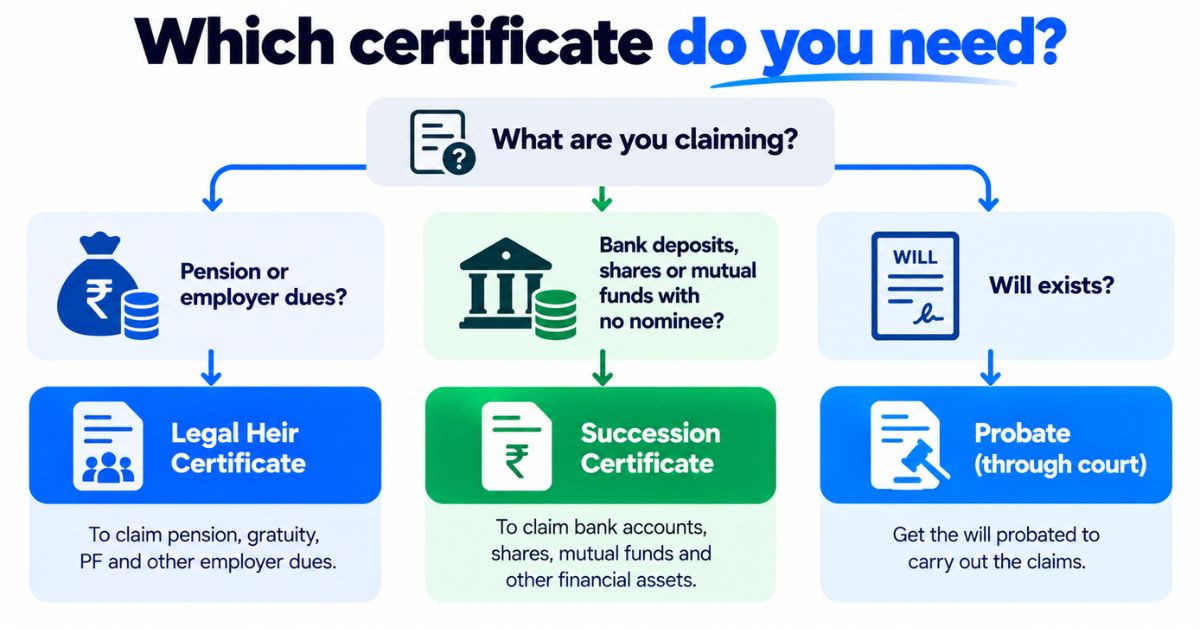
- Estate planning documents: wills, trusts, powers of attorney, healthcare directives
- Property and ownership records: property deeds, mortgage documents, lease agreements, vehicle titles
- Contracts and agreements: employment contracts, business agreements, loan agreements
- Court and government documents: court orders, citizenship or immigration papers, tax filings
Not every category applies to every household. A renter without children may not need a trust; a homeowner with dependents almost certainly needs both a will and a healthcare directive.
Why Legal Document Organization Matters
Legal documents are usually needed at the worst possible time to start searching for them during a medical emergency, a property transaction, a job change, or after a death in the family. Missing paperwork can delay court proceedings, insurance payouts, or property transfers by weeks or months. Keeping documents organized also protects against a more common problem: outdated versions. An old will or an expired power of attorney can create real legal confusion if the current version isn't clearly identified.
How to Organize Legal Documents Step by Step
- Sort by category, not by date. Group documents as "Estate," "Property," "Identity," and "Contracts" rather than filing everything chronologically. This mirrors how you'll actually need to retrieve them.
- Separate originals from copies. Keep original signed documents (wills, deeds) in a fixed, known location, and use digital copies for day-to-day reference.
- Label clearly and consistently. Use descriptive file names such as "Last-Will-2026-Signed" instead of "scan001," so both you and anyone else searching later can identify the correct version instantly.
- Note expiry or review dates. Some documents, like powers of attorney or immigration papers, need periodic renewal. Track these separately so nothing lapses unnoticed.
- Share access with a trusted person. At least one family member, executor, or legal representative should know where key documents are stored and how to access them if you're unavailable.
Digital vs. Physical Storage: What's Best?
Most households benefit from a hybrid approach rather than choosing one format exclusively.
| Storage Type | Best For | Risk |
|---|---|---|
| Physical (safe, safe deposit box) | Original wills, deeds, certificates requiring a signature or seal | Fire, flood, theft, or loss if location isn't shared with anyone |
| Digital (encrypted vault) | Quick access, backups, sharing with family or advisors | Requires strong security practices and regular backups |
A common and practical approach is to keep original signed legal documents in a physical, fireproof location, while maintaining securely stored digital copies for quick reference, sharing with professionals, or emergency access.
How Can You Keep These Documents Secure?
Security matters as much as organization. When storing legal documents digitally, prioritize encryption, controlled access, and limiting who can view or download sensitive files. Avoid storing legal documents as unprotected attachments in personal email, since inboxes are a common target for account breaches. A Legal Vault designed specifically for sensitive personal documents can help centralize these files with more structure and access control than a general-purpose cloud drive.
Common Mistakes People Make
- Keeping only a physical copy with no digital backup, or vice versa
- Storing the only copy of a will in a location no one else knows about
- Failing to update documents after major life events (marriage, divorce, relocation)
- Mixing legal documents with unrelated household paperwork, making retrieval slow
- Sharing sensitive legal files over unsecured channels like personal messaging apps
Country-Specific Considerations
Legal document requirements vary by jurisdiction. In the United States, estate planning documents like wills and powers of attorney are governed at the state level, so requirements for witnesses and notarization differ. In the United Kingdom, wills must meet requirements under the Wills Act, and probate processes are handled through HM Courts & Tribunals Service. In India, registration of wills is optional but recommended, and property documents typically require registration with the local Sub-Registrar's office. Always confirm specific requirements with your relevant national or state legal authority rather than relying solely on general guidance.
Bringing It Together with a Legal Vault
Once documents are categorized and originals are safely stored, a digital Legal Vault gives you one organized, secure place to keep copies of wills, property records, contracts, and identity documents accessible when you need them and shareable with trusted family members or advisors when necessary. This complements physical storage rather than replacing it, and it pairs naturally with related organization, such as a Family Vault for shared household records or a Digital Vault for other sensitive digital accounts and passwords.
Key Takeaways
- Organize legal documents by category estate, property, identity, and contracts not by date
- Keep original signed documents physically secure, with digital backups for accessibility
- Label files clearly and track any renewal or expiry dates
- Inform a trusted person where key documents are stored
- Legal requirements vary by country confirm specifics with your local authority
- A dedicated Legal Vault adds structure and security beyond general cloud storage
Conclusion
Organizing legal documents isn't a one-time task it's a system that needs occasional review as life changes. Start by sorting what you already have into clear categories, secure the originals, back up digital copies, and make sure at least one trusted person knows where everything is. If you're looking for a structured way to keep these records organized and secure long-term, a Legal Vault can bring this system together in one accessible place.
Frequently Asked Questions
cmp6hs57y000oc2bxnj5buqzv
Editorial Contributor
Author and technology contributor at NexaLifeVault.
Share this post
Comments (0)
No comments yet. Be the first to comment!