Passport & Visa Storage Tips: Keep Your Travel Documents Safe
Learn practical passport and visa storage tips to protect your travel documents with secure physical storage, digital backups, and smart travel organization before every trip.
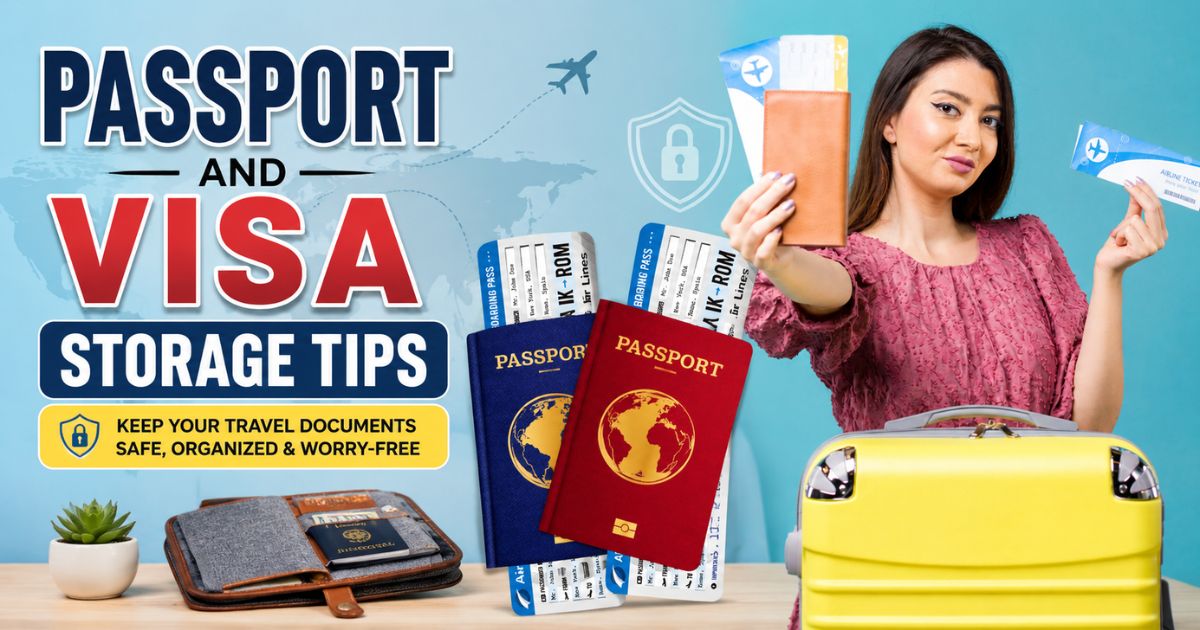
Your passport and visa are among the most important travel documents you'll carry. Losing them or discovering they're damaged while travelling can lead to delays, unexpected expenses, missed flights, or even denied entry into your destination. Taking a few simple steps to store and protect these documents can make your journey much smoother.
Whether you're travelling for business, a family holiday, or a long international adventure, having a secure system for managing your passport and visa helps reduce stress and keeps essential information easily accessible whenever it's needed.
In this guide, you'll learn practical passport and visa storage tips, including how to protect physical documents, create secure digital backups, organise travel records, and prepare for emergencies. By following these best practices, you can travel with greater confidence knowing your most valuable travel documents are safe.
If you're still preparing your paperwork, start with our Travel Documents Checklist to ensure you have everything required before your trip.
Why Proper Passport and Visa Storage Matters
Your passport and visa aren't just identification documents they're your proof of identity, nationality, and permission to travel internationally. Keeping them secure before and during your trip helps prevent unnecessary complications that could disrupt your travel plans.
Protect Against Loss or Theft
Passports are valuable documents that can be difficult and time-consuming to replace while abroad. Storing them securely reduces the chances of loss or theft and helps protect your personal information.
Avoid Travel Delays
Airlines, immigration officers, and hotels may ask to see your passport or visa multiple times during your journey. Keeping these documents organised allows you to access them quickly whenever required.
Prevent Damage
Water, accidental spills, bent pages, and torn covers can damage important travel documents. A damaged passport may not be accepted by immigration authorities, even if it hasn't expired.
Prepare for Emergencies
Unexpected situations such as lost luggage, theft, or medical emergencies become easier to manage when you've prepared secure backup copies of your passport and visa.
Travel with Greater Confidence
Knowing exactly where your passport, visa, and supporting travel documents are stored allows you to focus on enjoying your journey instead of worrying about misplaced paperwork.
Proper document storage is a simple habit that provides peace of mind before departure and throughout your travels.
Best Passport and Visa Storage Tips
Keeping your passport and visa safe requires more than simply placing them in your bag. Using smart storage habits before and during your trip can help protect your documents from loss, theft, damage, and unexpected travel disruptions.
Use a Dedicated Passport Holder
A quality passport holder keeps your passport protected from bent pages, moisture, and everyday wear while making it easier to access during airport security and immigration checks.
Choose a holder that:
- Fits your passport securely.
- Includes space for your visa documents.
- Has compartments for boarding passes.
- Provides extra protection against everyday damage.
Carry a Waterproof Travel Wallet
Rain, accidental spills, and humid environments can damage important travel documents. A waterproof travel wallet offers additional protection while keeping your passport, visa, travel insurance papers, and tickets together.
Many travel wallets also include dedicated pockets for:
- Credit cards.
- Foreign currency.
- Hotel reservation printouts.
- Emergency contact information.
Consider RFID Protection
Modern passports often contain RFID chips that store identification information. Although the risk of electronic theft is generally low, some travellers prefer RFID-blocking passport holders for added peace of mind.
RFID protection can provide an extra layer of security without affecting the normal use of your passport.
Keep Your Passport in Your Carry-On Bag
Never pack your passport, visa, or other essential travel documents in checked luggage. Always keep them in your carry-on bag or personal item so they remain with you throughout your journey.
This ensures your most important documents stay accessible even if checked baggage is delayed or lost.
Use Hotel Safes Carefully
When you're not carrying your passport, consider storing it in your hotel's in-room safe if one is available and you trust the property's security practices.
Before leaving your passport behind:
- Confirm the safe is working correctly.
- Keep only the documents you don't immediately need.
- Carry an alternative form of identification if appropriate.
Create Digital Copies Before You Travel
Scan or photograph your passport, visa, and other essential travel documents before leaving home. Save encrypted copies in secure cloud storage and on your mobile device for emergency access.
Digital copies can help you quickly provide important information if your originals are lost or stolen.
Carry Printed Backup Copies
In addition to digital backups, carry printed copies of your passport identification page, visa, and travel itinerary. Store these copies separately from the originals so you'll still have access to important details if your primary documents go missing.
Keep Emergency Contact Information Available
Store important contact details alongside your travel documents, including your country's embassy or consulate, travel insurance provider, airline, accommodation, and emergency family contacts.
Having this information readily available can save valuable time if you need assistance while travelling.
Protecting your passport and visa is only one part of responsible travel planning. Our upcoming Safe Travel Document Management guide explains how to securely organize all of your important travel records, both physical and digital.
How to Store Your Passport and Visa Securely
Protecting your passport and visa isn't just about carrying them safely—it's also about creating a reliable backup system. By combining secure physical storage with digital copies, you can reduce the impact of lost documents and access important information whenever you need it.
Create Secure Digital Backups
Before your trip, scan or photograph your passport, visa, and other essential travel documents. Save clear, high-quality copies so important details remain readable if you need them during an emergency.
Create digital copies of:
- Passport identification page.
- Visa or entry permit.
- Travel insurance policy.
- Flight confirmations.
- Hotel reservations.
- Emergency contact list.
Use Trusted Cloud Storage
Cloud storage allows you to access your travel documents from multiple devices if your originals are lost or stolen. Choose a trusted cloud storage service that offers strong security features.
For better protection:
- Enable multi-factor authentication.
- Use a unique, strong password.
- Keep recovery information up to date.
- Avoid sharing sensitive files with unnecessary users.
Save Offline Copies on Your Devices
Internet access may not always be available while travelling. Download important documents to your smartphone, tablet, or laptop so they remain accessible even without a network connection.
Offline copies are especially useful for:
- Passport scans.
- Visa approvals.
- Flight tickets.
- Hotel confirmations.
- Emergency contact details.
Protect Digital Files with Passwords
If you're storing sensitive travel documents on your devices, protect them with strong passwords or encrypted storage. This helps prevent unauthorized access if your phone or laptop is lost or stolen.
Simple security measures include:
- Device passcodes.
- Biometric authentication.
- Encrypted folders.
- Password-protected PDF files.
Share Copies with a Trusted Family Member
Before travelling, consider sharing secure digital copies of your passport and visa with a trusted family member or close friend. They may be able to assist you if your documents are lost or if you need important information while abroad.
Only share documents with people you trust, and use secure methods to send sensitive files.
Create a Document Recovery Plan
Even with careful planning, unexpected situations can happen. Preparing a simple recovery plan can help you respond more quickly if your passport or visa is lost.
Your recovery plan should include:
- Embassy or consulate contact details.
- Emergency travel insurance numbers.
- Local emergency services.
- Airline customer support.
- Copies of your identification documents.
If your passport or visa is lost, having these details readily available can make the replacement process much easier.
Keeping your passport secure is only one part of travel preparation. Our Travel Insurance Documents Guide explains how to organize insurance paperwork, while How to Store Travel Itineraries shows you how to keep bookings and travel plans organized throughout your trip.
Best Practices for Protecting Your Passport and Visa
Following a few simple habits before and during your trip can significantly reduce the risk of losing or damaging your passport and visa. Good document management not only protects your personal information but also helps you travel with greater confidence.
Check Your Documents Before Every Trip
Review your passport and visa several days before departure to ensure everything is valid and ready for travel.
Confirm that:
- Your passport has not expired.
- Your visa is valid for your destination.
- Your personal information is accurate.
- You have both physical and digital copies.
Carry Only What You Need
Avoid carrying unnecessary personal documents while travelling. Keep only the identification and travel records required for your journey, while leaving unrelated documents safely stored at home.
Keep Originals and Backup Copies Separate
Never store your passport, printed copies, and digital backups in the same location. If one bag is lost or stolen, you'll still have access to important information needed to verify your identity or begin the replacement process.
Be Careful When Sharing Your Passport
Hotels, tour operators, and car rental companies may occasionally request identification. Whenever possible, provide only the information required and avoid leaving your passport with third parties longer than necessary.
Protect Your Documents During Daily Travel
While sightseeing or using public transportation, keep your passport and visa in a secure location such as a concealed travel wallet, money belt, or zipped compartment that stays close to your body.
This reduces the risk of accidental loss or pickpocketing in crowded areas.
Common Passport and Visa Storage Mistakes
- Packing your passport in checked luggage.
- Travelling without digital backup copies.
- Leaving your passport unattended in public places.
- Keeping all copies of your documents together.
- Ignoring passport expiry requirements before booking travel.
- Using weak passwords for digital document storage.
- Waiting until departure day to organize travel paperwork.
Conclusion
Protecting your passport and visa is one of the simplest ways to avoid unnecessary travel problems. By using secure storage, creating digital backups, carrying printed copies, and keeping emergency information readily available, you can reduce stress and respond more confidently if unexpected situations arise.
Developing good document management habits before every trip helps safeguard your personal information while ensuring your most important travel documents are always within easy reach. A little preparation today can prevent major disruptions tomorrow.
For more practical travel organization resources, explore our Travel Vault.
Frequently Asked Questions
cmp6hs57y000oc2bxnj5buqzv
Editorial Contributor
Author and technology contributor at NexaLifeVault.
Share this post
Comments (0)
No comments yet. Be the first to comment!