Travel Documents Checklist: Essential Documents Every Traveler Needs
Discover the essential travel documents every traveler should carry. Learn how to organize passports, visas, tickets, insurance, and digital backups for stress-free travel.
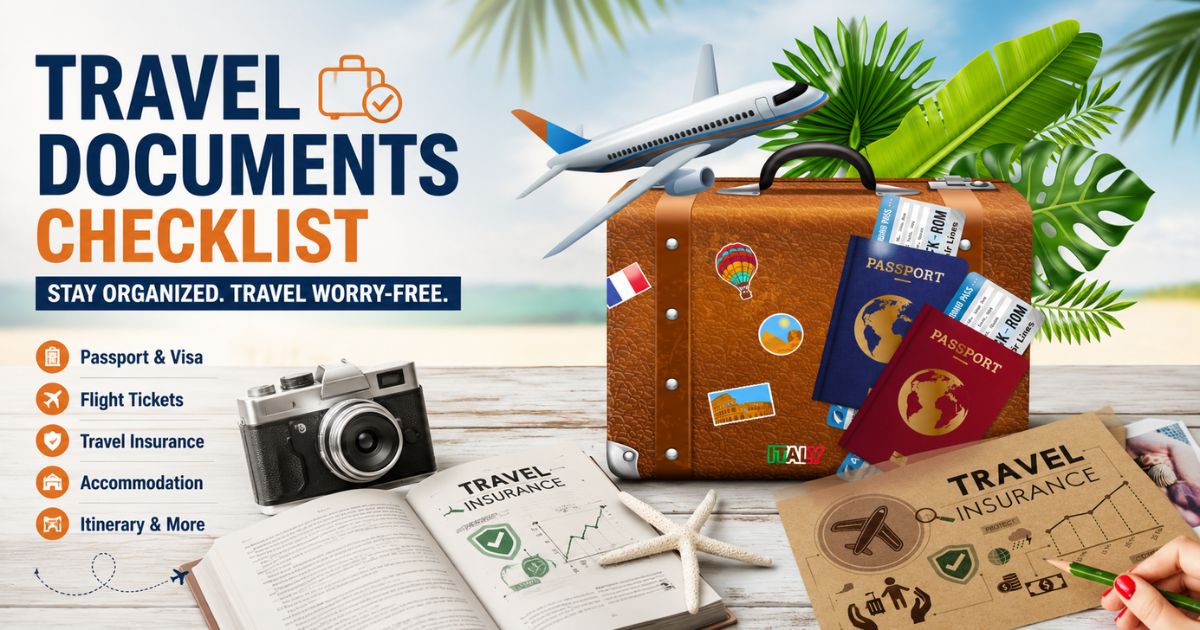
Whether you're planning a weekend getaway, an international vacation, a business trip, or a long-term adventure, having the right travel documents is just as important as booking your flights and accommodation. Missing even one essential document can lead to delays, denied boarding, or unnecessary stress during your journey.
A well-prepared travel documents checklist helps you stay organized before departure and ensures you have quick access to important records throughout your trip. From passports and visas to travel insurance, hotel confirmations, and emergency contacts, keeping everything in one secure place can make your travel experience much smoother.
In this guide, you'll learn which travel documents you should carry, which ones should be stored digitally, and how to organize them for easy access. You can also explore our Travel Vault for more practical guides on protecting and managing your travel records.
Why a Travel Documents Checklist Is Important
Preparing your travel documents before leaving home reduces the chances of unexpected problems during your trip. Whether you're crossing international borders or travelling domestically, having your paperwork organized saves time and provides peace of mind.
Avoid Last-Minute Stress
Many travel disruptions happen because important documents are forgotten or misplaced. Checking your travel documents several days before departure gives you enough time to replace missing paperwork or renew expired documents if necessary.
Meet Entry Requirements
Different countries have different entry requirements. Depending on your destination, you may need a valid passport, visa, return ticket, proof of accommodation, vaccination records, or other supporting documents. Preparing these in advance helps avoid delays at immigration.
Handle Emergencies More Easily
If your passport is lost, your luggage is delayed, or you need medical assistance abroad, having copies of your important travel documents can make resolving the situation much faster.
Keep Travel Plans Organized
Storing your flight tickets, hotel reservations, transportation bookings, travel insurance details, and emergency contacts together makes your journey much easier to manage.
Protect Important Information
Carrying original documents while keeping secure digital backups helps protect your personal information and ensures you'll still have access to essential records if physical copies are lost or stolen.
A simple travel document checklist allows you to focus more on enjoying your trip and less on worrying about missing paperwork.
Essential Travel Documents Checklist
Every trip is different, but certain documents are essential regardless of whether you're travelling domestically or internationally. Keeping these records organized before departure helps reduce travel stress and ensures you're prepared for airport check-ins, immigration, hotel arrivals, and unexpected situations.
Passport
Your passport is the most important travel document for international travel. Before leaving, check that it is valid for your destination's entry requirements, as many countries require at least six months of validity beyond your planned departure date.
Before you travel:
- Verify the expiry date.
- Check for any damaged pages.
- Carry your original passport.
- Keep a secure digital copy stored separately.
Visa Documents
If your destination requires a visa, ensure you have the correct approval documents before travelling.
Depending on the country, this may include:
- Printed visa approval letters.
- E-visa confirmation.
- Entry permits.
- Supporting travel documents.
Flight Tickets and Boarding Passes
Save both printed and digital copies of your flight confirmation and boarding passes.
- Flight booking confirmation.
- Return ticket details.
- Boarding passes.
- Airline booking reference.
Having offline copies can be helpful if internet access is limited during your journey.
Hotel and Accommodation Reservations
Keep copies of your accommodation bookings so they're easy to access during check-in.
Save:
- Hotel confirmations.
- Vacation rental bookings.
- Host contact information.
- Check-in instructions.
Travel Insurance Documents
Travel insurance can provide valuable support during medical emergencies, trip cancellations, lost luggage, or travel delays.
Carry copies of:
- Insurance policy.
- Emergency assistance numbers.
- Policy number.
- Claim instructions.
Government-Issued Identification
Even if you're travelling internationally, carrying an additional government-issued ID can be useful.
Examples include:
- National identity card.
- Driver's licence.
- Resident permit.
Travel Itinerary
A complete itinerary keeps your trip organized and makes it easier to share your plans with family members if needed.
Your itinerary may include:
- Flight schedules.
- Accommodation details.
- Transportation bookings.
- Tour reservations.
- Important contact numbers.
Keeping your insurance documents organized before departure can save valuable time during emergencies. Our Travel Insurance Documents Guide explains which records to carry and how to store them securely.
Emergency Contact Information
Prepare a document containing emergency contacts before your trip.
- Family members.
- Emergency contacts.
- Embassy or consulate details.
- Insurance emergency hotline.
- Hotel contact information.
Health and Vaccination Records
Some destinations may require vaccination certificates or other medical documentation before entry.
Depending on your destination, consider carrying:
- Vaccination certificates.
- Prescription medications.
- Doctor's letters.
- Medical insurance information.
Financial Documents
Keep essential financial information available in case you need to replace payment cards or verify transactions while travelling.
- Credit and debit card details (stored securely).
- Emergency bank contact numbers.
- Foreign currency exchange receipts.
- Travel expense records.
Digital Backups
Create secure digital copies of all important travel documents before you leave. Store them in encrypted cloud storage or a secure document management app so they're available if the originals are lost or stolen.
Once you've gathered these essential records, keeping them properly organized becomes just as important. The upcoming guides in our Travel Vault will show you how to securely store passports and visas, manage travel insurance documents, organize itineraries, and protect your travel records throughout every journey.
Keeping digital copies is only part of the process. Our Safe Travel Document Management guide shares additional tips for protecting both physical and digital travel records throughout your journey.
How to Organize and Store Travel Documents
Collecting your travel documents is only half the preparation. Organizing them properly ensures you can quickly find what you need during airport check-ins, immigration, hotel arrivals, or unexpected situations. A simple document management system can make your entire journey smoother and less stressful.
A well-organized itinerary helps you keep flights, accommodation, and activities in one place. Learn practical organization methods in our How to Store Travel Itineraries guide.
Create a Dedicated Travel Folder
Keep all your travel documents together in one dedicated folder or travel organizer instead of storing them in different bags or locations.
Your travel folder should include:
- Passport
- Visa documents
- Flight confirmations
- Hotel reservations
- Travel insurance policy
- Travel itinerary
- Emergency contact information
- Transportation bookings
Having everything in one place saves valuable time during your journey.
Use a Waterproof Travel Document Organizer
A travel document organizer protects important paperwork from spills, rain, and everyday wear while keeping documents neatly arranged.
Choose an organizer with separate compartments for:
- Passports
- Boarding passes
- Currency
- Travel cards
- Printed confirmations
- Emergency information
This also reduces the risk of accidentally losing important documents while travelling.
Create Secure Digital Backups
Before leaving home, scan or photograph every essential travel document. Digital backups can be invaluable if your originals are lost, stolen, or damaged.
Create copies of:
- Passport photo page
- Visa approvals
- Travel insurance policy
- Flight tickets
- Hotel confirmations
- Identification documents
Save files as searchable PDF documents whenever possible for easier access.
Store Documents in Secure Cloud Storage
Cloud storage allows you to retrieve important travel records from almost anywhere using your phone, tablet, or laptop.
For better security:
- Enable multi-factor authentication.
- Use strong passwords.
- Encrypt sensitive documents.
- Only share access with trusted family members.
Cloud storage should complement not replace your original travel documents.
Keep Offline Copies Available
Internet access isn't always available while travelling. Download important documents to your phone or tablet so they can be accessed without an internet connection.
Offline access is particularly useful for:
- Boarding passes
- Hotel reservations
- Travel itinerary
- Emergency contacts
- Insurance policy details
Separate Originals and Backup Copies
Avoid carrying all copies of your important documents together. Keep your original passport and primary documents in your travel organizer, while storing printed or digital backups separately.
If one bag is lost or stolen, you'll still have access to critical information.
Review Your Documents Before Departure
A few days before your trip, review every document to confirm that nothing is missing or outdated.
Your final checklist should include:
- Passport validity.
- Visa approval.
- Travel insurance.
- Flight tickets.
- Accommodation bookings.
- Emergency contact list.
- Digital backups.
Once your documents are properly organized, you'll spend less time searching for paperwork and more time enjoying your trip. In our upcoming Passport & Visa Storage Tips guide, you'll learn how to protect your most important travel documents before, during, and after every journey.
Best Practices for Managing Travel Documents
Good travel document management doesn't end once you've packed your bags. Following a few simple habits before and during your trip can help protect your personal information, reduce stress, and ensure important documents are always within reach when you need them.
Carry Only the Documents You Need
Avoid carrying unnecessary paperwork while travelling. Take only the documents required for your destination and planned activities, while keeping the remaining records stored securely at home.
This reduces the risk of losing sensitive information if your bag is misplaced or stolen.
Keep Originals and Copies Separate
Never store all versions of your important documents together. Carry the original passport and required travel documents in your travel organizer, while keeping printed copies in a separate bag and digital copies stored securely online.
This provides an additional layer of protection if one set of documents is lost.
Protect Your Personal Information
Travel documents contain valuable personal information that should be protected throughout your journey.
To improve security:
- Use a zippered or RFID-protected travel document holder.
- Avoid leaving documents unattended in hotel rooms.
- Only share copies when officially required.
- Keep digital files protected with strong passwords.
Update Your Travel Records Before Every Trip
Before each journey, review your travel documents to make sure all information is current.
Check:
- Passport expiry date.
- Visa validity.
- Travel insurance coverage.
- Hotel and flight confirmations.
- Emergency contact information.
Keeping your records updated helps avoid unnecessary travel disruptions.
Share Your Itinerary with Someone You Trust
Before travelling, share your itinerary and emergency contact details with a trusted family member or friend. This can be extremely helpful if your travel plans change unexpectedly or you need assistance while away.
Common Mistakes to Avoid
- Travelling with an expired passport or visa.
- Keeping all travel documents in one bag.
- Not creating digital backups before departure.
- Ignoring travel insurance paperwork.
- Using unsecured public Wi-Fi to access sensitive documents.
- Waiting until the last minute to check travel requirements.
- Forgetting to save important documents for offline access.
Conclusion
A complete travel documents checklist helps ensure you're fully prepared before every journey. From passports and visas to travel insurance, accommodation bookings, and emergency contacts, organizing your records in advance allows you to travel with greater confidence and fewer unexpected problems.
Combining organized physical documents with secure digital backups gives you quick access to essential information while reducing the risk of losing valuable paperwork during your trip. A few minutes of preparation before departure can save hours of stress later.
Frequently Asked Questions
cmp6hs57y000oc2bxnj5buqzv
Editorial Contributor
Author and technology contributor at NexaLifeVault.
Share this post
Comments (0)
No comments yet. Be the first to comment!