Safe Travel Document Management: Secure and Organize Travel Documents
Learn safe travel document management with practical tips to organize, protect, and back up passports, visas, insurance records, and travel itineraries.
Your travel documents are among the most valuable items you carry on any journey. Passports, visas, travel insurance policies, flight confirmations, hotel reservations, and identification documents all play an essential role in ensuring your trip goes smoothly. Losing access to even one of these records can lead to unnecessary stress, delays, or financial loss.
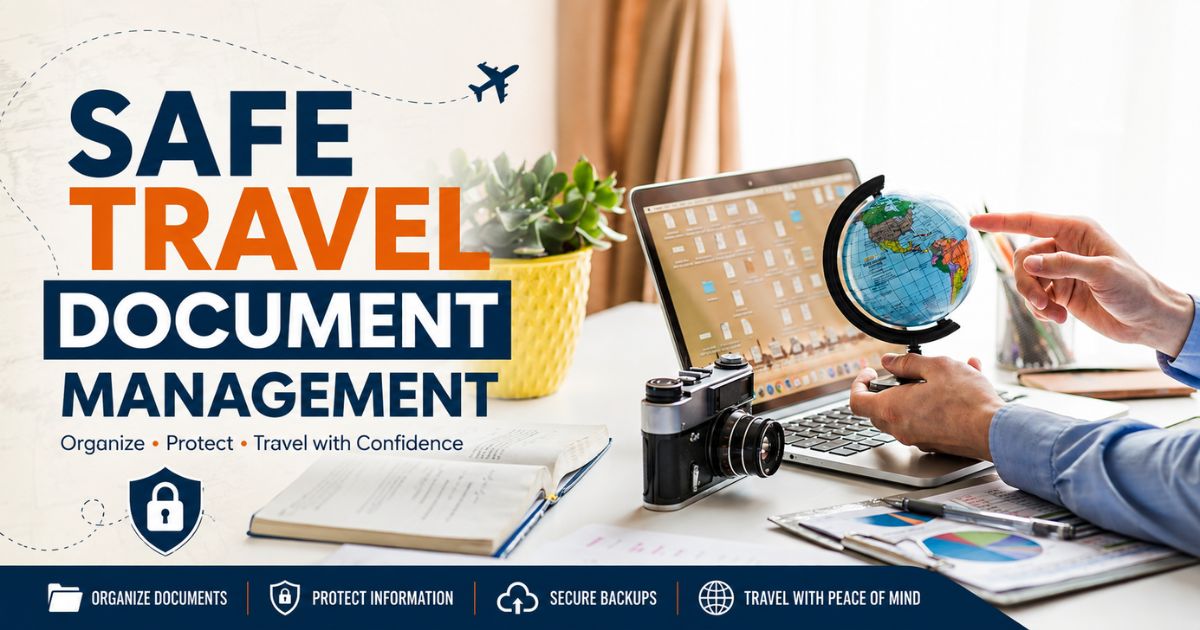
Practicing safe travel document management helps you protect sensitive information while keeping important records organized and easy to access. By combining secure physical storage with encrypted digital backups, you can reduce the risk of theft, accidental loss, or document damage during your travels.
In this guide, you'll learn practical strategies for storing, protecting, backing up, and managing travel documents before, during, and after your trip. Whether you're travelling for business, vacation, or long-term international travel, these best practices will help keep your information secure wherever you go.
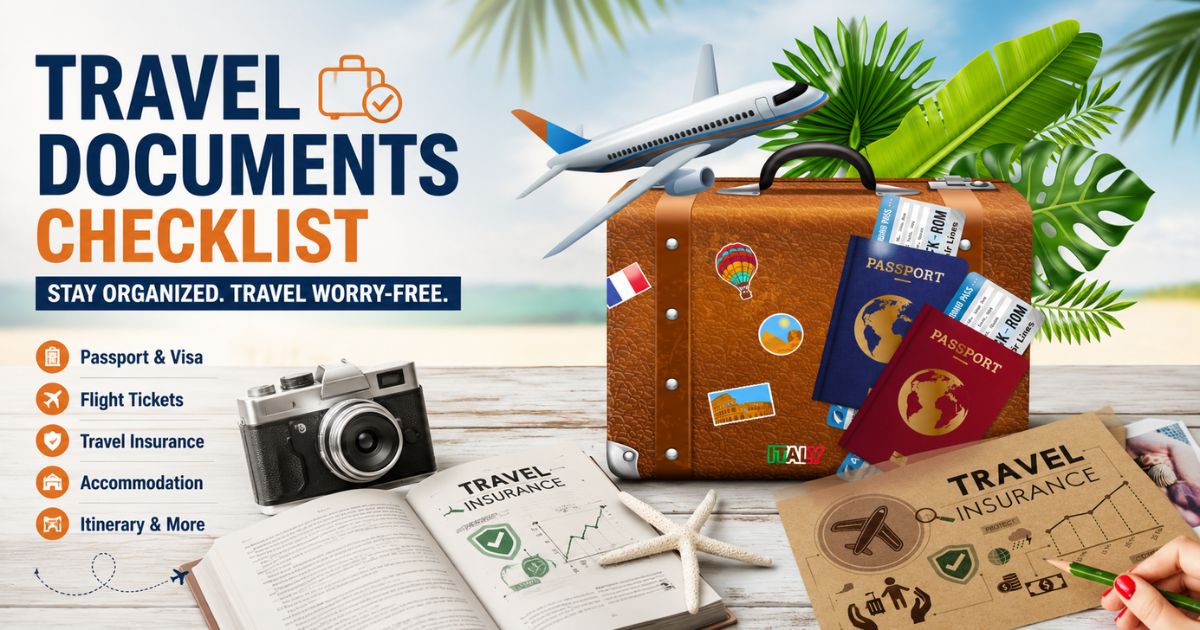
Before securing your travel records, review our Travel Documents Checklist to make sure you've gathered every essential document you'll need for your journey.
Why Safe Travel Document Management Matters
Good travel planning doesn't end with booking flights and hotels. Protecting your important documents is just as important as packing your luggage. A secure document management system helps you stay prepared for emergencies while giving you quick access to essential information throughout your trip.
Protect Sensitive Personal Information
Your passport, identification documents, travel insurance policy, and booking confirmations contain personal information that should always be protected from unauthorized access. Keeping these records secure reduces the risk of identity theft and document misuse.
Recover Quickly from Unexpected Situations
Travel disruptions such as lost luggage, stolen wallets, damaged documents, or cancelled flights can happen unexpectedly. Having organized physical and digital copies allows you to recover important information much faster.
Reduce Travel Stress
Knowing exactly where your travel records are stored gives you peace of mind throughout your journey. Instead of searching through emails or multiple apps, you'll have immediate access to the documents you need.
Support Faster Emergency Assistance
Medical emergencies, travel insurance claims, or embassy visits often require proof of identity or travel information. Keeping your documents organized allows you to respond quickly when time matters most.
Keep Every Journey Organized
A secure document management system brings together your passport, visa, travel insurance, itinerary, accommodation details, and emergency contacts in one structured location. This makes travelling more efficient and reduces the chances of forgetting or misplacing important records.
Whether you're travelling domestically or internationally, investing a little time in organizing your travel documents before departure can save hours of frustration later.
Essential Travel Documents You Should Protect
Every trip involves important documents that verify your identity, confirm your bookings, and help you access essential services. Keeping these records secure reduces the risk of delays, identity theft, and unnecessary travel disruptions.
Passport
Your passport is one of the most valuable travel documents you own. Without it, international travel can become extremely difficult. Always store your passport in a secure travel wallet or document organizer when it's not in use.
Consider keeping:
- The original passport.
- A printed photocopy.
- A secure digital copy.
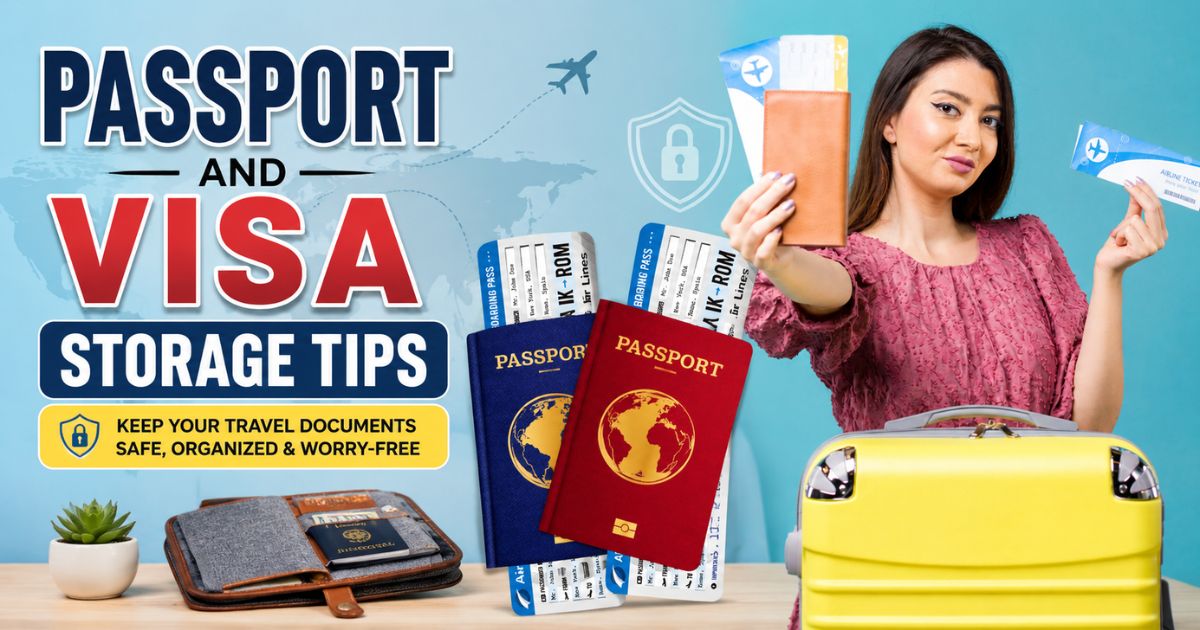
For practical ways to protect your passport throughout your journey, read our Passport & Visa Storage Tips.
Visa Documents
If your destination requires a visa, keep both physical and digital copies together with your passport. Having backup copies can simplify the replacement process if the original document is lost.
Store:
- Visa approval letter.
- Electronic visa confirmation.
- Embassy contact details.
Travel Insurance Documents
Your travel insurance policy provides important information if you experience medical emergencies, cancelled trips, delayed baggage, or other unexpected situations.
Keep easy access to:
- Policy certificate.
- Policy number.
- Emergency assistance contacts.
- Claim instructions.
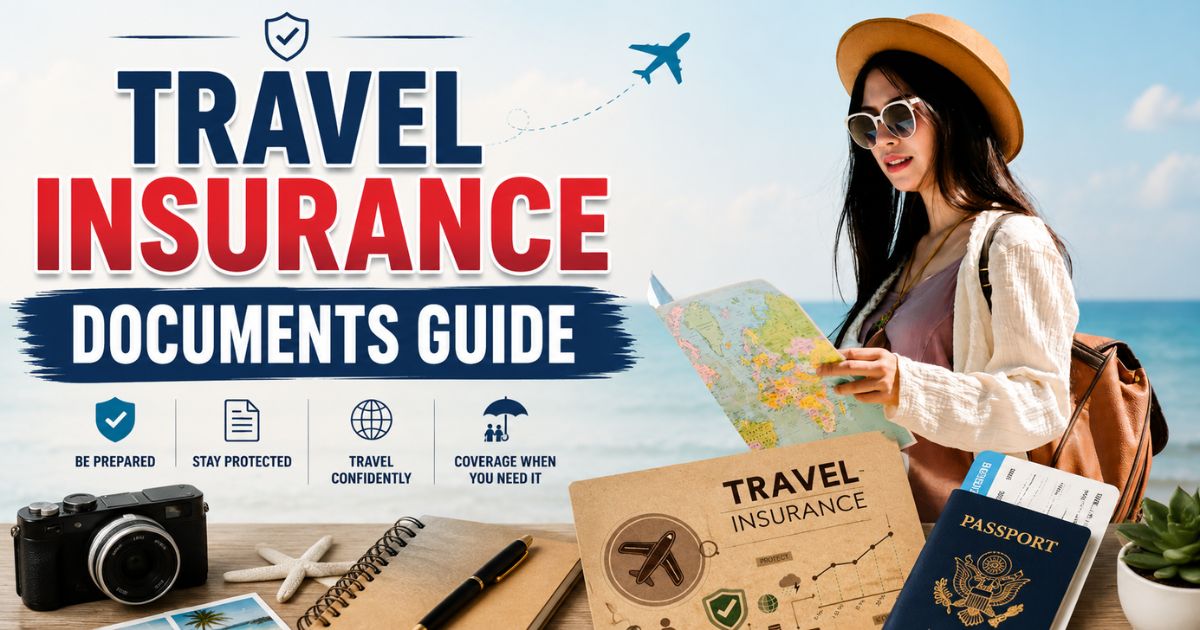
Learn how to organize these records in our Travel Insurance Documents Guide.
Travel Itinerary and Booking Confirmations
Your itinerary helps keep your entire trip organized. Store flight confirmations, hotel reservations, transportation bookings, and activity tickets together so they're easy to access whenever needed.
Your itinerary folder may include:
- Flight tickets.
- Boarding passes.
- Hotel reservations.
- Car rental confirmations.
- Tour bookings.
- Restaurant reservations.
Our How to Store Travel Itineraries guide explains how to organize these records efficiently.
Identification Documents
In addition to your passport, carry any identification documents that may be required during your trip.
These may include:
- National ID card.
- Driver's licence.
- Student or employee ID.
- International Driving Permit (if applicable).
Emergency Contact Information
Keep a list of important contacts that can be accessed quickly if your documents are lost or an emergency occurs.
Your emergency contacts should include:
- Family members.
- Travel companions.
- Embassy or consulate.
- Insurance provider.
- Accommodation contact details.
Digital Backup Copies
Create encrypted digital backups of your essential travel documents before departure. Store them in secure cloud storage and download offline copies to your phone or tablet so they're available even without an internet connection.
Keep Everything in One Secure Travel Folder
Instead of storing documents across multiple emails, apps, and paper folders, organize everything in one dedicated travel folder. Keeping all your important records together makes them easier to locate and helps you stay prepared throughout your journey.
Best Ways to Store and Secure Travel Documents
Collecting your travel documents is only part of the preparation. The way you store and protect them before and during your trip plays an important role in preventing loss, theft, or accidental damage. Combining secure physical storage with reliable digital backups gives you the best protection throughout your journey.
Use a Dedicated Travel Document Organizer
Keep all your important travel records together in a dedicated travel wallet or document organizer instead of storing them in multiple bags or pockets.
Your organizer should include:
- Passport.
- Visa documents.
- Travel insurance policy.
- Boarding passes.
- Hotel confirmations.
- Emergency contact information.
A dedicated organizer makes airport check-ins, immigration, and hotel arrivals much quicker and more convenient.
Keep Original Documents in Your Carry-On Bag
Never place important travel documents in checked luggage. Always carry your passport, identification, travel insurance, and essential booking confirmations in your personal bag or carry-on luggage.
This helps ensure your most important records remain accessible even if your checked baggage is delayed or lost.
Create Secure Digital Backups
Before travelling, scan or photograph all important travel documents and save high-quality digital copies. These backups can be invaluable if your originals are lost or stolen.
Create digital copies of:
- Passport.
- Visa.
- Travel insurance policy.
- Flight tickets.
- Hotel reservations.
- Travel itinerary.
Store Documents in Encrypted Cloud Storage
Cloud storage provides convenient access to your travel documents from multiple devices while keeping them protected against hardware failure or accidental loss.
Improve security by:
- Enabling multi-factor authentication.
- Using strong, unique passwords.
- Encrypting sensitive files whenever possible.
- Reviewing file-sharing permissions regularly.
Download Offline Copies
Internet access isn't always available while travelling. Download important travel records to your phone, tablet, or laptop before departure so they're available even without a network connection.
Offline access is useful for:
- Boarding passes.
- Hotel confirmations.
- Insurance policy.
- Travel itinerary.
- Emergency contact list.
Protect Your Devices
If you're storing travel documents digitally, protect the devices that contain them.
Use:
- Strong device passcodes.
- Fingerprint or facial recognition.
- Automatic screen locking.
- Remote device tracking and wipe features.
These measures help protect your personal information if your phone or laptop is lost or stolen.
Share Documents Securely
If you need to share travel records with family members or travel companions, use secure sharing methods instead of sending sensitive files through unsecured messaging platforms.
Whenever possible:
- Share view-only access.
- Limit access to trusted people.
- Remove access after your trip if it's no longer needed.
Best Practices for Safe Travel Document Management
Keeping your travel documents organized is an ongoing process that starts before departure and continues throughout your trip. Following a few simple best practices can help protect your personal information, reduce travel stress, and ensure important records are always available when you need them.
Review Your Documents Before Every Trip
Take time to review your travel documents a few days before departure. Confirm that everything is complete, up to date, and easy to access.
Check:
- Passport validity.
- Visa requirements.
- Travel insurance policy.
- Flight and hotel confirmations.
- Emergency contact details.
- Digital backup copies.
Separate Originals and Backup Copies
Avoid keeping all versions of your travel documents together. Carry your original documents in your travel organizer while storing printed copies separately and maintaining encrypted digital backups.
This simple precaution can make recovering from lost or stolen documents much easier.
Keep Sensitive Information Private
Your travel documents contain personal information that should only be shared when necessary. Be cautious when accessing or displaying sensitive records in public places.
For better privacy:
- Lock your devices with strong passwords.
- Avoid using public computers to access travel records.
- Log out of shared devices after use.
- Only share documents with trusted individuals or authorized organizations.
Update Your Travel Folder Regularly
As your plans change, remove outdated reservations and replace them with the latest confirmations. Keeping your travel folder current prevents confusion during your trip.
Prepare for Lost or Stolen Documents
Even well-prepared travellers can face unexpected situations. Before travelling, create a simple recovery plan that includes emergency contact numbers, embassy details, and secure backup copies of your essential records.
Being prepared can significantly reduce the time and stress involved in replacing lost documents.
Common Mistakes to Avoid
- Packing important documents in checked luggage.
- Travelling without digital backup copies.
- Using weak passwords for cloud storage.
- Keeping every document in one bag.
- Ignoring passport or visa expiry dates.
- Failing to update travel confirmations after schedule changes.
- Sharing sensitive travel documents through unsecured channels.
Conclusion
Effective safe travel document management helps protect your identity, simplify your journey, and prepare you for unexpected situations. Organizing your passport, visa, travel insurance, itinerary, and booking confirmations in a secure system allows you to travel with greater confidence and peace of mind.
By combining secure physical storage, encrypted digital backups, strong account security, and regular document reviews, you can keep your important travel records protected before, during, and after every trip.
To explore more travel organization resources, visit our Travel Vault.
Frequently Asked Questions
cmp6hs57y000oc2bxnj5buqzv
Editorial Contributor
Author and technology contributor at NexaLifeVault.
Share this post
Comments (0)
No comments yet. Be the first to comment!