How to Store a Will Safely (Complete Guide)
Learn where to store your will, why the original copy matters, and how to make sure your executor can actually find and access it when it's needed.
A will only works if it can be found. Every year, families discover often during probate that a will exists somewhere, but no one knows where, or the copy they have isn't the original a court will accept. Writing a will is only half the task; storing it properly is what makes it usable when it's actually needed. This guide covers where to keep a will, why the original matters more than people expect, and how to make sure your executor isn't left searching for it.
Why Will Storage Matters More Than People Think
A will that can't be located is, for practical purposes, the same as not having one. Courts generally require the original signed document for probate, not a photocopy or scanned version, which means losing the original can create serious complications even if copies exist. Beyond loss, a will stored somewhere only the deceased knew about a specific drawer, an old safe, a forgotten storage unit can delay probate for weeks or months while family members search for it.
Where Should You Store a Will?
There's no single "correct" location, but the best options share two qualities: they protect the original document, and they're findable by the people who'll need it.
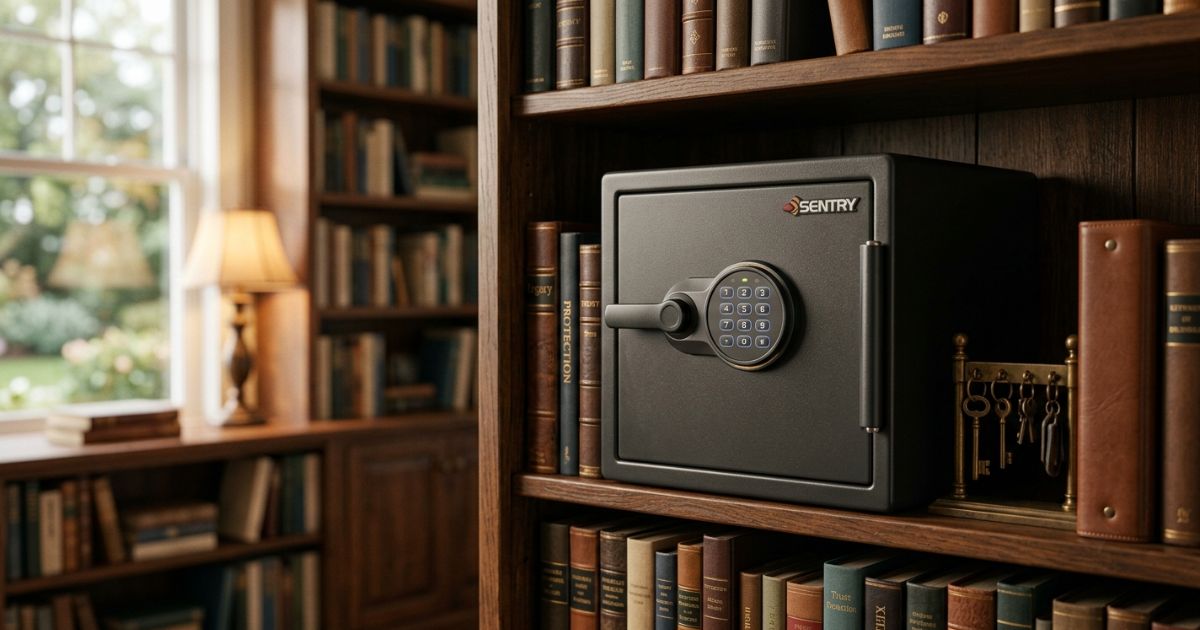
- A fireproof, waterproof home safe accessible to you and, ideally, known to your executor
- A safe deposit box at a bank secure, but can create access delays if the box is solely in the deceased's name
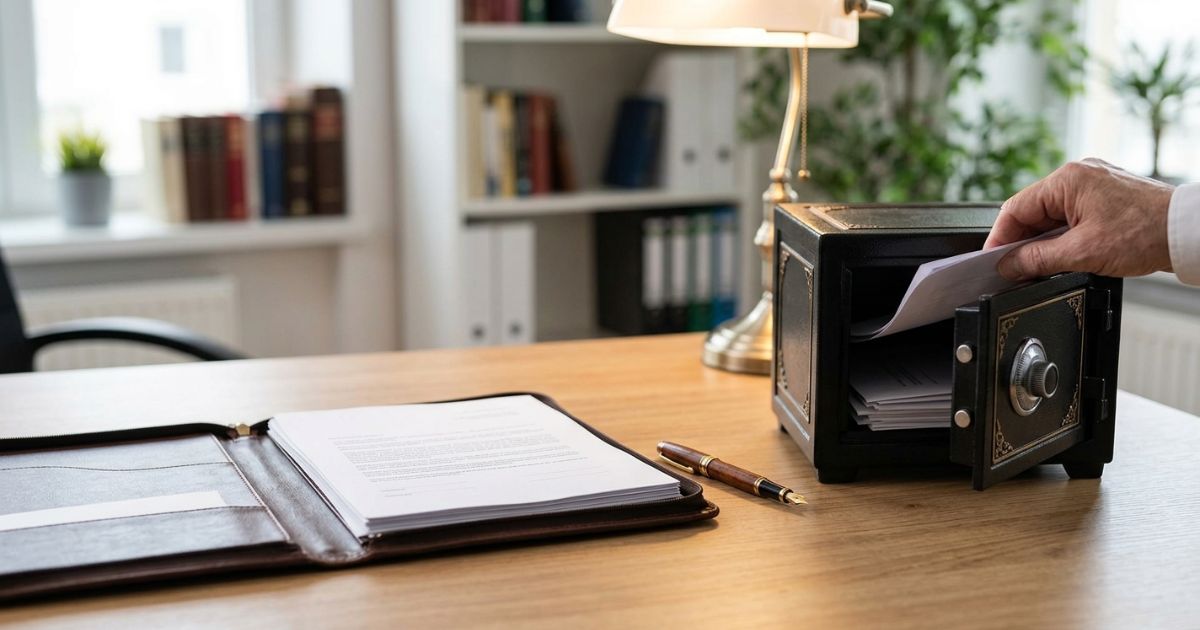
- Your estate attorney's office many attorneys offer to hold the original will they helped draft
- A court or public will registry, where available some jurisdictions offer official will registration or safekeeping services
Avoid storing a will somewhere only you know about, no matter how secure it feels a will's value depends entirely on it being found and recognized as valid when needed.
Original vs. Copy: Why It Matters
Courts generally require the original will to open probate, not a copy. If only a copy can be found, some jurisdictions allow the estate to proceed by proving the original was lost or destroyed unintentionally, but this process is slower, more expensive, and not guaranteed to succeed. This is one of the most consequential mistakes in will storage: treating a scanned or photocopied version as sufficient, when courts typically need to see the original signature and any required witnessing or notarization intact.
How to Store a Will Properly
- Choose a secure, damage-resistant location for the original fire, water, and pests are the most common ways physical documents are destroyed.
- Tell your executor exactly where it is. A will that's secure but unknown to anyone is functionally the same as a lost will.
- Keep a digital copy for reference, understanding that it supports the process but generally can't replace the original for probate.
- Avoid a safe deposit box in your name alone, or make sure your executor has documented access, since some banks restrict access to a deceased person's box until probate is already underway creating a catch-22.
- Update storage details whenever you move or change banks, so the information your executor has stays accurate.
- Review the will itself periodically, since major life events like marriage, divorce, or a new child may require updates, not just the storage location.
Common Mistakes People Make
- Keeping the only copy in a location no one else knows about, effectively hiding it from the people who need to find it.
- Assuming a scanned copy is sufficient, when most courts require the original for probate.
- Storing the will in a solely-owned safe deposit box without arranging documented access for the executor in advance.
- Never updating the executor after a change in storage location, such as moving homes or switching attorneys.
- Writing a new will without properly destroying or updating the old one, creating confusion about which version is valid.
What Your Executor Needs to Know
Beyond simply knowing where the will is, your executor benefits from having a clear picture of your overall estate before they're navigating it during a difficult time. This includes knowing who your attorney is (if you have one), where other key documents like a power of attorney or advance directive are kept, and having a general sense of your assets. A will stored in isolation, without this surrounding context, still leaves an executor doing significant detective work.
Keeping Your Will and Related Documents Organized
A will rarely exists in isolation it's usually one part of a broader set of documents an executor or family member needs during an already difficult time, alongside things like a power of attorney, insurance policies, and property records. Keeping these scattered across different physical locations and institutions makes an executor's job harder exactly when clarity matters most.
The Nexa Life Vault Life Vault is designed to help you keep a record of where your key documents are stored, along with digital copies for reference, so your executor or family isn't starting from zero. It works well alongside important documents for loved ones and a broader family emergency document plan, both of which cover related planning for the people you'd leave behind.
A Note on Country-Specific Rules
Will storage and probate requirements vary by country. In the United States, probate rules and whether courts accept anything other than an original will are set at the state level. In the United Kingdom, wills can be stored with the Probate Service for a small fee, providing an official, findable location. In India, will registration is optional but can add a layer of legal certainty, and registered wills are typically kept with the sub-registrar's office. Confirm specific requirements with a local attorney or the relevant court authority in your jurisdiction.
Key Takeaways
- Courts generally require the original will for probate a copy usually isn't sufficient on its own.
- Store the original somewhere secure but findable, and make sure your executor knows exactly where.
- Avoid solely-owned safe deposit boxes without arranging documented executor access in advance.
- Keep a digital copy for reference, but don't treat it as a replacement for the original.
- Update your executor whenever your will's storage location changes.
- Will storage and probate rules vary by country confirm specifics with a local attorney.
Conclusion
A will that can't be found delays probate and creates unnecessary stress for the people you meant to protect. Choose a secure, damage-resistant location for the original, tell your executor exactly where it is, and review both the document and its storage location periodically. The Life Vault can help keep track of where your key documents are stored, so your family isn't left searching during an already difficult time.
Frequently Asked Questions
cmp6hs57y000oc2bxnj5buqzv
Editorial Contributor
Author and technology contributor at NexaLifeVault.
Share this post
Comments (0)
No comments yet. Be the first to comment!