Family Emergency Document Plan: Protect Your Important Records
Learn how to create a family emergency document plan to organize, protect, and access essential records during unexpected situations. Discover practical tips for secure storage, digital backups, and emergency preparedness.

Emergencies can happen without warning. A medical emergency, house fire, natural disaster, or sudden travel situation can leave families scrambling to find important documents when every minute matters. Without a plan, valuable records may be lost, damaged, or difficult to access when they're needed the most.
A family emergency document plan helps you organize, protect, and quickly access essential records before an unexpected event occurs. Having important documents stored securely and knowing exactly where to find them can reduce stress, save valuable time, and make it easier to handle legal, financial, and medical situations during an emergency.
Your emergency document plan should include identification records, medical information, insurance policies, financial documents, property records, and emergency contact details. Keeping both physical and secure digital copies ensures your family can access critical information even if the originals become unavailable.
In this guide, you'll learn why every family should create an emergency document plan, which records to include, how to build a reliable emergency document kit, and the best practices for keeping everything secure and up to date.
Before creating your emergency document kit, make sure you've already organized your family's essential paperwork. Our Essential Family Documents Checklist can help you identify the important records every household should keep, making it easier to prepare for unexpected situations.
Why Every Family Needs an Emergency Document Plan
No one expects an emergency, but being prepared can make a significant difference when unexpected situations arise. Whether it's a natural disaster, medical emergency, or sudden evacuation, having quick access to important documents allows you to respond faster and with less stress.
A family emergency document plan ensures that your most important records are organized, protected, and available whenever they're needed. Instead of searching through drawers, filing cabinets, or digital folders during a crisis, you'll know exactly where your documents are stored.
Natural Disasters
Floods, earthquakes, hurricanes, wildfires, and severe storms can damage or destroy important paperwork within minutes. If your family needs to evacuate quickly, having an emergency document kit ready can save valuable time.
Essential documents such as identification, insurance policies, and property records should be stored securely and backed up digitally whenever possible.
Medical Emergencies
During a medical emergency, healthcare providers may require immediate access to identification, insurance information, medical history, or emergency contact details.
Keeping these records together in one secure location helps family members respond quickly without unnecessary delays.
House fires, water leaks, or other accidents can permanently damage paper documents. Important records that aren't protected may be difficult or even impossible to replace.
Using a fireproof safe and maintaining secure digital backups can help preserve essential documents if physical copies are lost.
Unexpected Travel or Evacuation
Sometimes families must leave home with little notice because of emergencies or urgent personal situations. Having passports, birth certificates, medical information, and travel documents already organized makes last-minute travel much less stressful.
Legal and Financial Situations
Unexpected legal matters or financial emergencies may require immediate access to contracts, insurance documents, bank information, wills, or property records.
Having these documents organized allows you to respond more efficiently while avoiding unnecessary delays during already stressful situations.
Replacing Lost or Stolen Documents
If important documents are lost or stolen, having backup copies and a record of essential information can make the replacement process much easier.
Securely stored copies can also help verify your identity while waiting for official replacements.
Peace of Mind for the Entire Family
Perhaps the greatest benefit of an emergency document plan is peace of mind. Every family member knows where important records are stored, who can access them, and what to do during an emergency.
A little preparation today can save hours or even days of confusion when an unexpected event occurs.
An emergency document plan is most effective when it includes the right records for every member of your family. Learn what to prepare in our Important Documents for Loved Ones guide.
Documents to Include in Your Family Emergency File
An emergency document plan is only effective if it contains the right records. Your emergency file should include documents that help prove your identity, protect your finances, support medical care, and simplify legal or insurance processes during unexpected situations.
Keep these documents together in a secure, easy-to-access location, and consider maintaining encrypted digital copies as a backup.
Identity Documents
Identity documents are often the first records you'll need during an emergency. They help verify who you are when applying for assistance, replacing lost documents, or accessing government and financial services.
Your emergency file should include:
- Birth certificates
- Passports
- National or state-issued ID cards
- Driver's licenses
- Marriage certificates (if applicable)
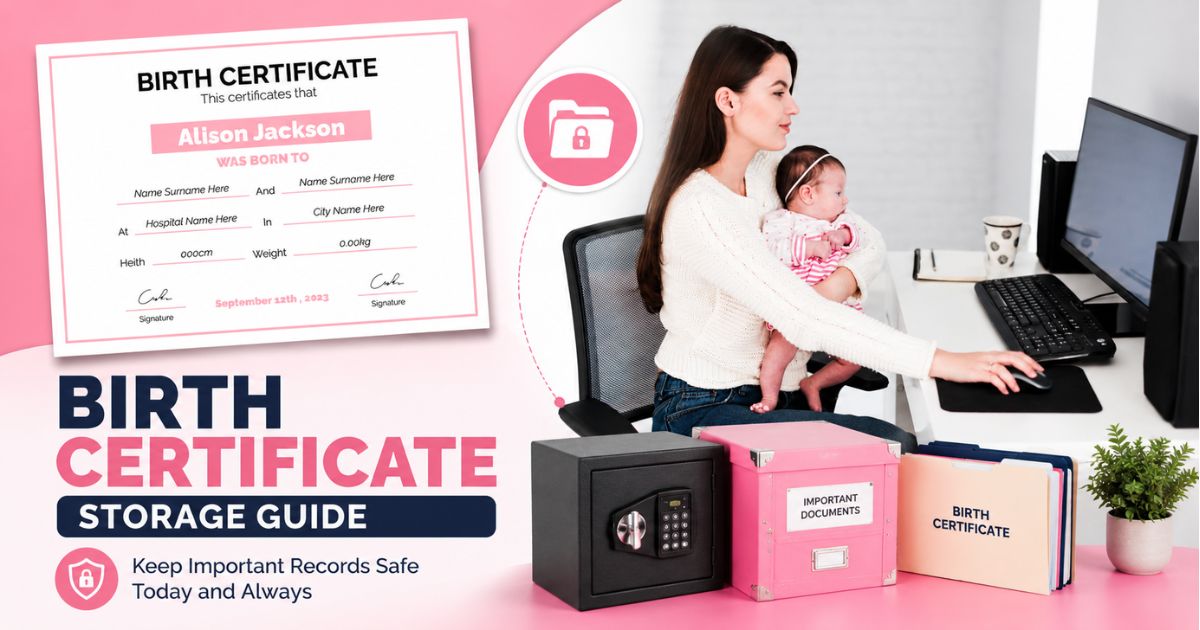
Birth certificates are among the most important records every family should protect. Learn the best ways to store them securely in our Birth Certificate Storage Guide.
Medical and Health Records
Medical information can be critical during emergencies, especially if immediate treatment is required.
Consider including:
- Health insurance cards
- Medical history summaries
- Prescription information
- Vaccination records
- Allergy information
- Emergency contact details
Having these records readily available can help healthcare providers deliver faster and more accurate care.
Financial Documents
Financial records can help you manage unexpected expenses, file insurance claims, or recover after a disaster.
Your emergency file may include:
- Bank account information
- Insurance policies
- Tax documents
- Investment account details
- Mortgage or loan documents
Avoid storing account passwords directly with these documents. Instead, keep login credentials in a secure password manager.
Property and Insurance Records
Property-related documents can be extremely valuable if your home or belongings are damaged or lost.
Keep copies of:
- Property deeds
- Home insurance policies
- Vehicle ownership documents
- Vehicle insurance information
- Home inventory records, if available
These documents can help speed up insurance claims and ownership verification.
Legal Documents
Legal paperwork ensures your family's wishes and responsibilities are clearly documented during difficult situations.
Your emergency file may include:
- Wills
- Powers of attorney
- Living wills or advance healthcare directives
- Guardianship documents
- Trust documents
Review these records regularly to make sure they remain accurate and reflect your current circumstances.
Emergency Contact Information
Although many phone numbers are stored digitally today, it's still wise to keep a printed list of important contacts.
Include:
- Immediate family members
- Primary healthcare providers
- Insurance companies
- Banks
- Legal advisors
- Trusted friends or neighbors
A printed contact list can be invaluable if your phone is lost, damaged, or out of battery during an emergency.
Keep Your Emergency File Up to Date
Creating an emergency document file isn't a one-time task. Review it at least once or twice a year to replace expired documents, update insurance policies, refresh emergency contacts, and add any new records that have become important.
Keeping your emergency file current ensures your family is always prepared when unexpected situations arise.
How to Create Your Family Emergency Document Kit
Once you've identified the documents your family needs, the next step is to organize them into an emergency document kit. A well-prepared kit ensures that important records are protected, easy to locate, and accessible when time is critical.
Your kit should combine secure physical storage with reliable digital backups so you're prepared for a wide range of emergency situations.
Organize Your Physical Documents
Start by gathering all essential family records and placing them in a single, well-organized folder or document organizer. Arrange documents into clearly labeled sections so they can be found quickly when needed.
Useful categories include:
- Identity documents
- Medical records
- Insurance policies
- Financial records
- Property documents
- Legal paperwork
- Emergency contacts
Keeping everything organized saves valuable time during stressful situations and helps prevent important records from being misplaced.
Store Originals in a Fireproof and Waterproof Safe
Original documents should be stored in a secure location that protects them from fire, water damage, and unauthorized access.
A quality fireproof and waterproof safe provides added protection for records such as:
- Birth certificates
- Passports
- Property deeds
- Insurance policies
- Legal documents
Choose a location that's easy for trusted family members to access during an emergency but remains secure from theft or accidental damage.
Create Secure Digital Backups
Paper documents can be lost or damaged, so maintaining digital copies is equally important. Scan important records in high quality and save them in secure digital formats.
Having digital backups allows you to access important information even if the original documents become unavailable.
For step-by-step guidance, read our Backup Your Important Digital Files guide.
Use Encrypted Cloud Storage
Cloud storage provides convenient access to important documents from almost anywhere, but security should always come first.
When storing emergency documents online:
- Choose a trusted cloud storage provider
- Enable two-factor authentication
- Restrict access to trusted family members
- Review sharing permissions regularly
These simple precautions help keep sensitive family records protected while remaining accessible when needed.
Learn more about secure online storage in our Cloud Storage Best Practices guide.
Protect Passwords and Account Access
Many emergency documents are now stored digitally or accessed through online accounts. Keeping passwords secure is just as important as protecting the documents themselves.
Consider using a trusted password manager to store:
- Bank account logins
- Insurance portals
- Government service accounts
- Cloud storage credentials
Our Manage Passwords Securely guide explains how to protect your online accounts while ensuring authorized family members can access them when necessary.
Give Access to a Trusted Family Member
An emergency document kit is most effective if at least one trusted family member knows where it's stored and how to access it.
Choose someone responsible and ensure they understand:
- Where physical documents are stored
- How to access digital backups
- Who to contact during an emergency
- How to keep the information confidential
Sharing this information with a trusted person helps ensure important documents remain accessible even if you're unable to retrieve them yourself.
A complete emergency document kit combines organized physical records, secure digital backups, protected online accounts, and a clear access plan. Preparing these resources today can make managing unexpected situations much easier for your entire family.
Family Emergency Document Checklist
Creating a family emergency document plan is only the first step. To keep it effective, you should review and update your records regularly. A simple checklist can help ensure your emergency document kit remains accurate, secure, and ready whenever it's needed.
Review Your Documents Every 6–12 Months
Life changes quickly, and so do your important records. Set a reminder to review your emergency document kit at least once or twice a year.
During each review:
- Replace expired identification documents
- Update insurance policies
- Add new family records
- Remove outdated paperwork
Regular updates help ensure your information remains accurate and useful during an emergency.
Verify Your Emergency Contacts
Emergency contact information should always be current. Review phone numbers, email addresses, and home addresses to make sure they are still correct.
Include contacts for:
- Immediate family members
- Primary healthcare providers
- Insurance companies
- Banks
- Legal advisors
- Trusted friends or relatives
Test Access to Your Digital Backups
Creating digital backups is important, but they're only useful if you can access them when needed.
Periodically confirm that:
- Cloud storage accounts are accessible
- Passwords are up to date
- Backup files open correctly
- Documents have not been accidentally deleted
Testing your backups gives you confidence that your information will be available during an emergency.
Protect Original Documents
Original records should remain stored in a secure location, even after you've created digital copies.
Keep important documents:
- Inside a fireproof and waterproof safe
- Protected from moisture and sunlight
- Organized in labeled folders
- Accessible only to trusted family members
Inform Trusted Family Members
An emergency document plan works best when trusted family members know where essential records are stored and how to access them if necessary.
Make sure they understand:
- Where physical documents are kept
- How to access digital backups
- Who has permission to use the documents
- How to keep sensitive information confidential
Conclusion
A well-prepared family emergency document plan gives your family peace of mind and helps you respond quickly during unexpected situations. By organizing important records, protecting originals, maintaining secure digital backups, and reviewing your documents regularly, you'll be better prepared for medical emergencies, natural disasters, legal matters, and other life events.
Emergency preparedness isn't just about having supplies it's also about making sure your most important information is safe, organized, and easy to access when it matters most.
To explore more practical guides on protecting and organizing important family records, visit our Family Vault. You can also learn How to Share Family Documents Safely to keep sensitive information protected whenever it needs to be shared.
Frequently Asked Questions
cmp6hs57y000oc2bxnj5buqzv
Editorial Contributor
Author and technology contributor at NexaLifeVault.
Share this post
Comments (0)
No comments yet. Be the first to comment!