Family Documents Checklist: Essential Records to Keep Safe
Use this family documents checklist to organize important records, including identity, financial, medical, and insurance documents. Learn how to store and manage family records securely for easy access when needed.

Every family has important documents that help manage daily life, financial responsibilities, healthcare needs, and legal matters. However, many people don't realize how difficult it can be to locate these records when they are urgently needed.
Whether you're applying for a passport, filing an insurance claim, enrolling a child in school, or handling a family emergency, having quick access to essential records can save time and reduce stress.
Creating a family documents checklist is one of the easiest ways to stay organized and ensure that important information is always available when needed.
In this guide, you'll learn which family documents should be stored safely, why they matter, and how to organize them for easy access and long-term protection.
What Are Family Documents and Why Are They Important?
Family documents are records that help verify identity, relationships, ownership, financial information, healthcare details, and other important aspects of family life. These documents often play a critical role during major life events and unexpected situations.
Without proper organization, important records can become misplaced, damaged, or difficult to access when they are needed most.
Why Every Family Needs an Organized Document System
Many families collect important paperwork over the years but never create a system for storing and managing it. As documents accumulate, finding specific records can become frustrating and time-consuming.
An organized document system helps families:
- Access records quickly when needed
- Reduce stress during emergencies
- Protect important information from loss or damage
- Support financial and legal planning
- Make document sharing easier when required
Even a simple filing system can significantly improve document management and reduce the risk of losing valuable records.
When Family Documents Are Commonly Needed
Important documents are often required during routine activities as well as major life events.
Examples include:
- Applying for government services
- School admissions
- Healthcare appointments
- Insurance claims
- Property transactions
- Travel applications
- Financial planning
- Family emergencies
Having documents organized in advance makes these situations much easier to handle.
The Benefits of Keeping Documents Updated
Organizing documents is important, but keeping them current is equally valuable. Outdated records can create confusion and delay important processes.
Families should periodically review their records to ensure:
- Personal information is accurate
- Contact details are current
- Insurance information is up to date
- Expired documents are renewed
- New records are properly stored
Regular reviews help maintain an accurate and reliable family document system.
Physical and Digital Document Storage
Many families choose to keep both physical and digital copies of important records. Physical documents provide original copies when required, while digital versions offer convenience and quick access.
A combination of secure physical storage and organized digital records can provide better protection and accessibility for important family information.
Building a complete family documents checklist is the first step toward creating a more organized and secure family record system. In the next section, we'll look at the essential identity and personal documents every family should keep.
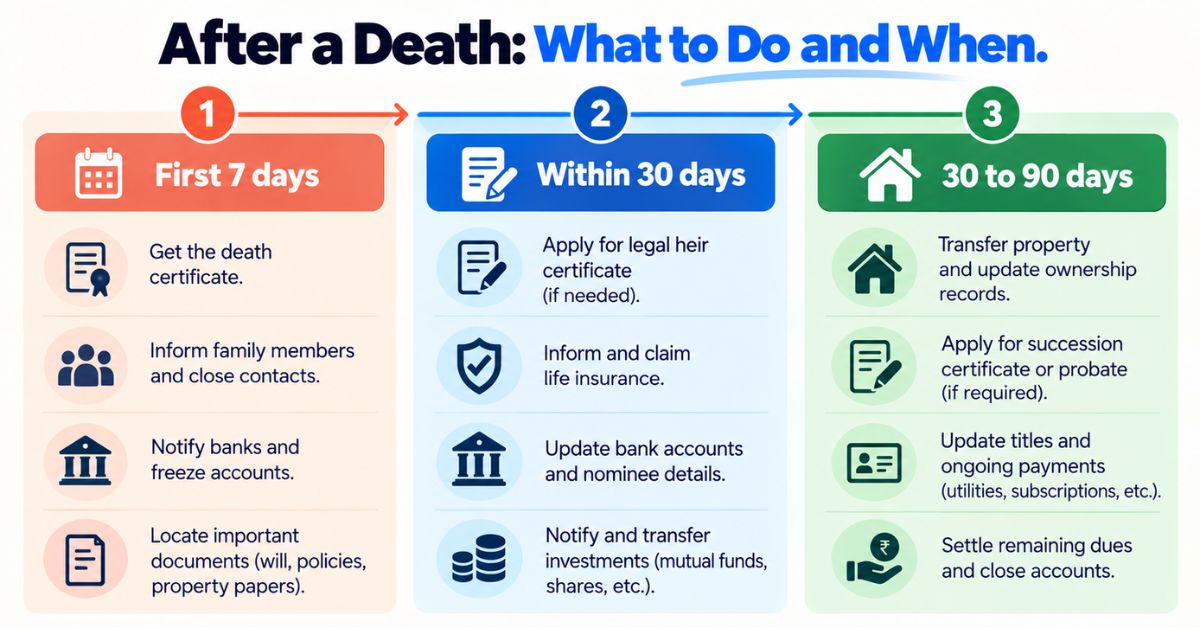
Organizing your important records is the first step, but being prepared for unexpected situations is just as important. Learn how to protect and quickly access your essential paperwork with our Family Emergency Document Plan.
Essential Identity and Personal Documents Every Family Should Keep
Identity and personal records form the foundation of any family documents checklist. These documents are often required for education, healthcare, financial services, travel, legal matters, and government-related processes.
Keeping these records organized and easily accessible can save time and prevent unnecessary stress when important situations arise.
Birth Certificates
Birth certificates are among the most important documents a family can possess. They serve as official proof of identity, age, citizenship, and family relationships.
Birth certificates are commonly required for:
- School admissions
- Passport applications
- Government services
- Healthcare registration
- Legal documentation
Families should keep original birth certificates in a secure location and maintain digital copies for quick reference when needed.
Marriage Certificates
A marriage certificate provides legal proof of a marital relationship and may be required for various administrative and legal processes.
Common uses include:
- Name change applications
- Insurance updates
- Tax-related matters
- Property transactions
- Legal and financial planning
Keeping this document organized ensures it is available whenever verification is required.
Passports
Passports are essential identity documents for international travel and may also serve as proof of identity in many situations.
Families should regularly check passport expiration dates and ensure documents remain valid before travel plans are made.
It's also a good idea to maintain digital copies of passport information as a backup reference.
National Identification Documents
Government-issued identification documents are frequently needed for financial transactions, healthcare services, employment verification, and official applications.
Depending on your location, these may include:
- National ID cards
- Driver's licenses
- Voter identification cards
- Social security or tax identification records
Keeping these records updated and stored securely helps prevent delays when identity verification is required.
Adoption and Guardianship Documents
Families who have adoption records, guardianship agreements, or custody-related documents should ensure these records are stored safely.
These documents may be needed for:
- Educational enrollment
- Medical decisions
- Legal proceedings
- Government applications
Because these records often contain sensitive information, they should be protected from unauthorized access.
Educational Records and Certificates
Educational documents are important not only for children but also for adults. Academic records may be required throughout life for employment opportunities, professional certifications, and further education.
Examples include:
- School transcripts
- Diplomas
- Degree certificates
- Professional qualifications
- Training certificates
Maintaining organized copies helps ensure these achievements can be verified when needed.
Keep Copies for Additional Protection
While original documents should always be stored securely, maintaining backup copies can provide additional protection against loss, theft, or damage.
Many families choose to keep both physical and digital copies of important identity records to improve accessibility and long-term preservation.
These identity and personal records form the core of a strong family documents checklist. In the next section, we'll explore the financial, insurance, property, and healthcare documents that every family should organize and protect.
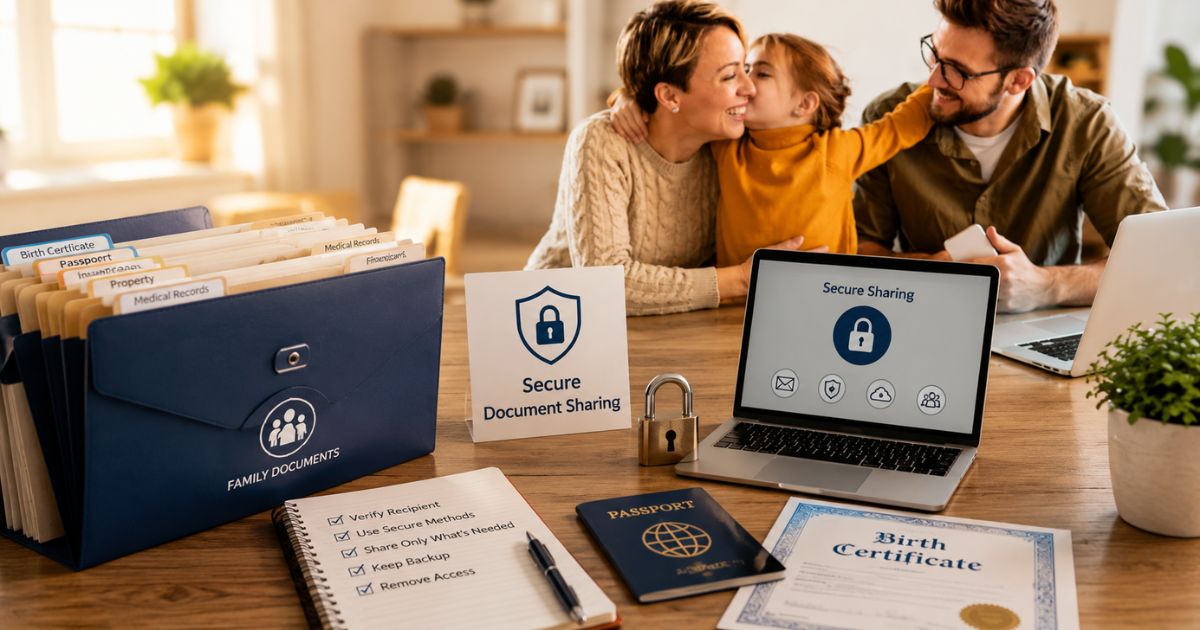
Families often need to share sensitive records securely with trusted individuals. Read our guide on How to Share Family Documents Safely.
Financial, Property, Insurance, and Medical Documents to Include
While identity documents are essential, they represent only one part of a complete family documents checklist. Financial records, property documents, insurance information, and medical records are equally important because they help families manage daily responsibilities and prepare for unexpected situations.
Keeping these documents organized can simplify financial planning, speed up important processes, and reduce stress during emergencies.
Financial Documents
Financial records help families track income, expenses, savings, investments, and tax-related information. These documents are often required when applying for loans, filing taxes, or making important financial decisions.
Important financial documents may include:
- Bank account statements
- Tax records
- Investment statements
- Retirement account information
- Loan agreements
- Payment receipts
- Income records
Maintaining organized financial records makes it easier to review family finances and locate important information when needed.
Insurance Documents
Insurance policies provide financial protection during unexpected events. However, insurance coverage is only useful if policy information can be accessed quickly when required.
Families should keep copies of:
- Health insurance policies
- Life insurance documents
- Home insurance records
- Vehicle insurance policies
- Travel insurance documents
It's also helpful to store policy numbers, renewal dates, and emergency contact information alongside insurance records.
Property and Housing Documents
Property-related documents are often among the most valuable records a family owns. These documents may be required for legal matters, property sales, ownership verification, or financial planning.
Examples include:
- Property deeds
- Purchase agreements
- Mortgage documents
- Rental agreements
- Property tax records
- Home improvement documentation
Because replacing these records can be difficult, they should be stored securely and backed up whenever possible.
Medical and Healthcare Records
Healthcare documents can play an important role during medical appointments, emergencies, and insurance claims. Keeping medical information organized helps families access important details quickly when needed.
Important healthcare records may include:
- Medical history records
- Vaccination records
- Prescription information
- Laboratory reports
- Healthcare provider details
- Emergency medical information
Having these records readily available can improve communication with healthcare providers and help families make informed medical decisions.
Emergency Contact Information
Every family should maintain an up-to-date list of emergency contacts. While this may seem simple, having accurate contact information available during emergencies can save valuable time.
Consider including:
- Immediate family members
- Healthcare providers
- Insurance contacts
- Legal advisors
- Trusted friends or relatives
- Emergency services information
Keeping this information in both physical and digital formats can improve accessibility when needed most.
Store Important Documents Securely
Once financial, insurance, property, and healthcare records are organized, the next step is protecting them. Families should consider secure storage options that balance accessibility with protection from loss, theft, and damage.
A combination of physical storage and secure digital copies can help ensure important records remain available for future needs.
By including these records in your family documents checklist, you create a stronger foundation for family organization, financial planning, and emergency preparedness.
Once you've identified the documents your household needs, the next step is deciding who should have access to them. Read our Important Documents for Loved Ones guide to learn which records should be prepared for children, spouses, and aging parents.
How to Organize and Store Family Documents Effectively
Creating a family documents checklist is an important first step, but keeping those documents organized is equally essential. A well-organized document system makes it easier to locate information, share records when necessary, and respond quickly during emergencies.
The goal is to create a system that is both secure and easy for trusted family members to access when needed.
Create Document Categories
Organizing documents into clear categories can make record management much more efficient.
Consider creating separate sections for:
- Identity documents
- Financial records
- Insurance information
- Property documents
- Medical records
- Educational certificates
- Emergency contacts
Using categories helps family members quickly locate specific records without searching through large collections of paperwork.
Keep Both Physical and Digital Copies
Many families benefit from maintaining both physical and digital versions of important documents. Physical copies provide access to original records, while digital copies offer convenience and accessibility.
Digital copies can be especially useful when:
- Traveling
- Working remotely
- Handling emergencies
- Sharing documents securely
- Accessing records outside the home
Combining both storage methods creates additional protection against loss or damage.
Store Physical Documents in a Safe Location
Important original documents should be stored in a secure location that protects them from theft, fire, water damage, and accidental loss.
Common storage options include:
- Home safes
- Locked filing cabinets
- Secure storage boxes
- Safety deposit boxes
The storage method should balance security with accessibility for trusted family members.
Protect Digital Copies
Digital records should be protected using strong security practices.
Consider:
- Using strong passwords
- Enabling multi-factor authentication
- Maintaining secure backups
- Limiting access to authorized family members
- Using secure cloud storage solutions
These measures help protect sensitive information from unauthorized access and data loss.
Review Documents Regularly
Family records should not be stored and forgotten. Regular reviews help ensure information remains accurate and up to date.
At least once or twice a year, review documents to:
- Update contact information
- Replace expired records
- Add newly acquired documents
- Remove unnecessary copies
- Verify backup availability
Routine reviews help maintain an organized and reliable document management system.
Make Important Information Accessible During Emergencies
In an emergency, family members may need immediate access to critical records. Consider creating a simple document inventory that identifies where important information is stored.
This inventory can help trusted family members locate essential records quickly without unnecessary confusion or delays.
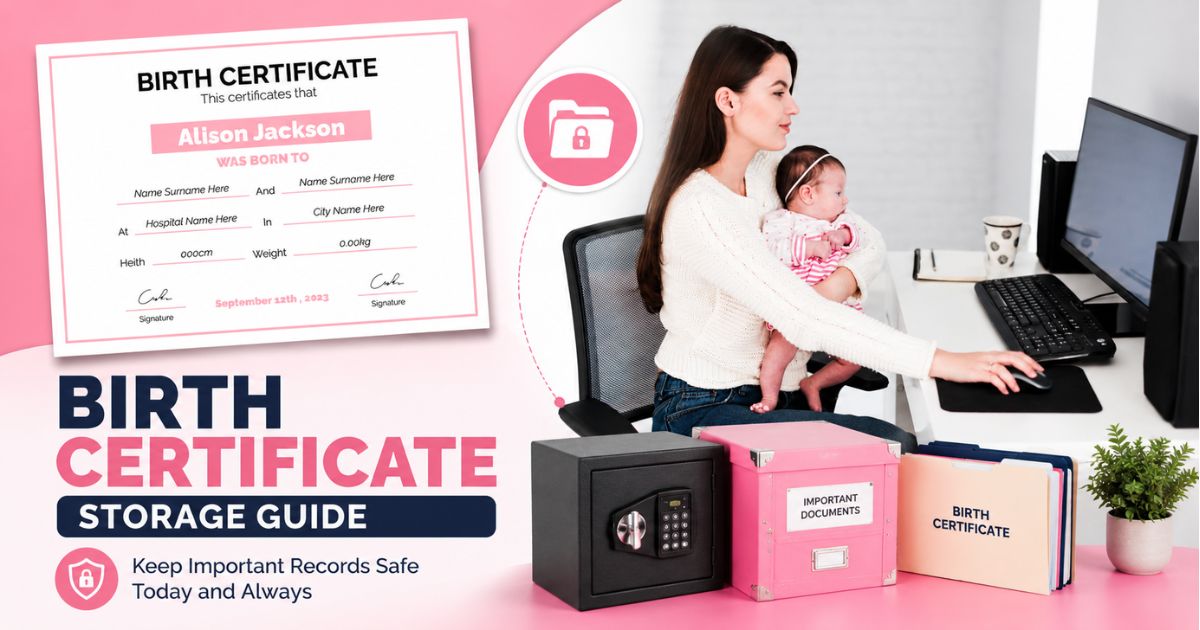
Properly storing birth certificates is an important part of any family document system. Learn more in our guide on Birth Certificate Storage Guide.
Conclusion
Every family benefits from having an organized system for managing important records. A complete family documents checklist helps ensure identity documents, financial records, insurance policies, property paperwork, and medical information remain protected and accessible.
By organizing documents into clear categories, maintaining both physical and digital copies, reviewing records regularly, and using secure storage methods, families can reduce stress and improve preparedness for both everyday needs and unexpected situations.
Taking the time to organize important records today can save significant time, effort, and frustration in the future.
For more resources on protecting important records and organizing family information, visit our Family Vault page.
Frequently Asked Questions
cmp6hs57y000oc2bxnj5buqzv
Editorial Contributor
Author and technology contributor at NexaLifeVault.
Share this post
Comments (0)
No comments yet. Be the first to comment!