How to Store a Birth Certificate Safely: Complete Guide
Learn how to store birth certificates safely with secure storage methods, backup copies, and practical protection strategies. Keep important family records organized, accessible, and protected from loss or damage.
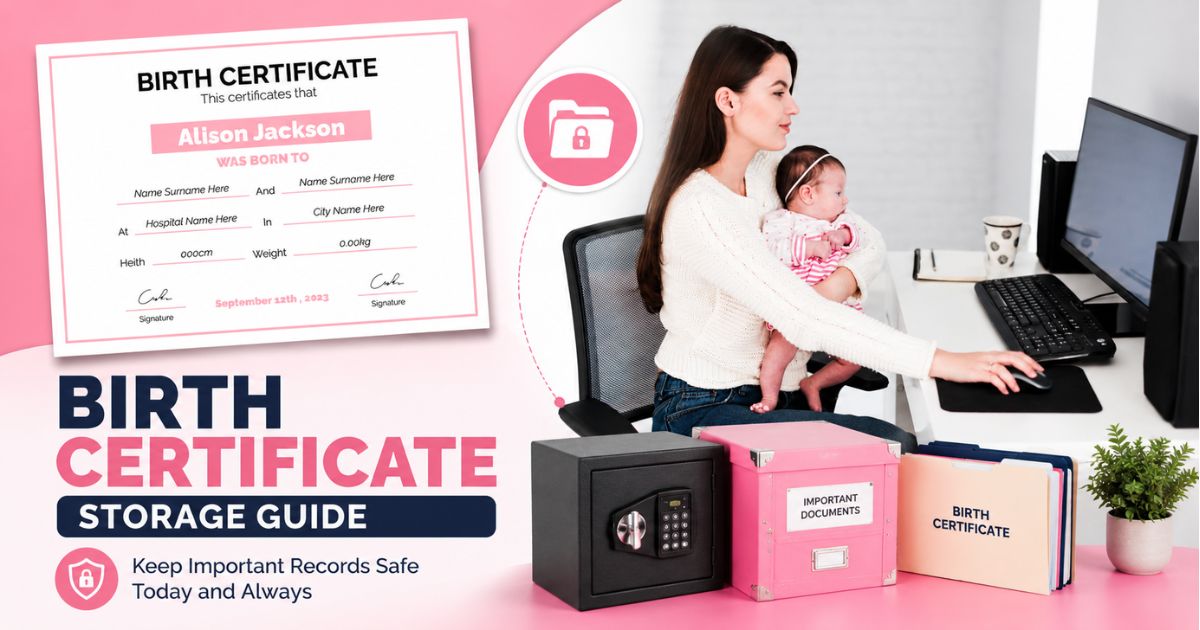
A birth certificate is one of the most important documents a person will ever own. It serves as official proof of identity, age, citizenship, and family relationships, making it essential throughout different stages of life.
From school admissions and passport applications to government services and financial matters, a birth certificate is often required to verify personal information. Unfortunately, many families do not think about document protection until a record is lost, damaged, or urgently needed.
This birth certificate storage guide will help you understand why proper storage matters, the risks of poor document management, and the best ways to keep this important record safe for years to come.
By using secure storage methods and maintaining backup copies, families can reduce the risk of loss while ensuring important documents remain accessible when needed.
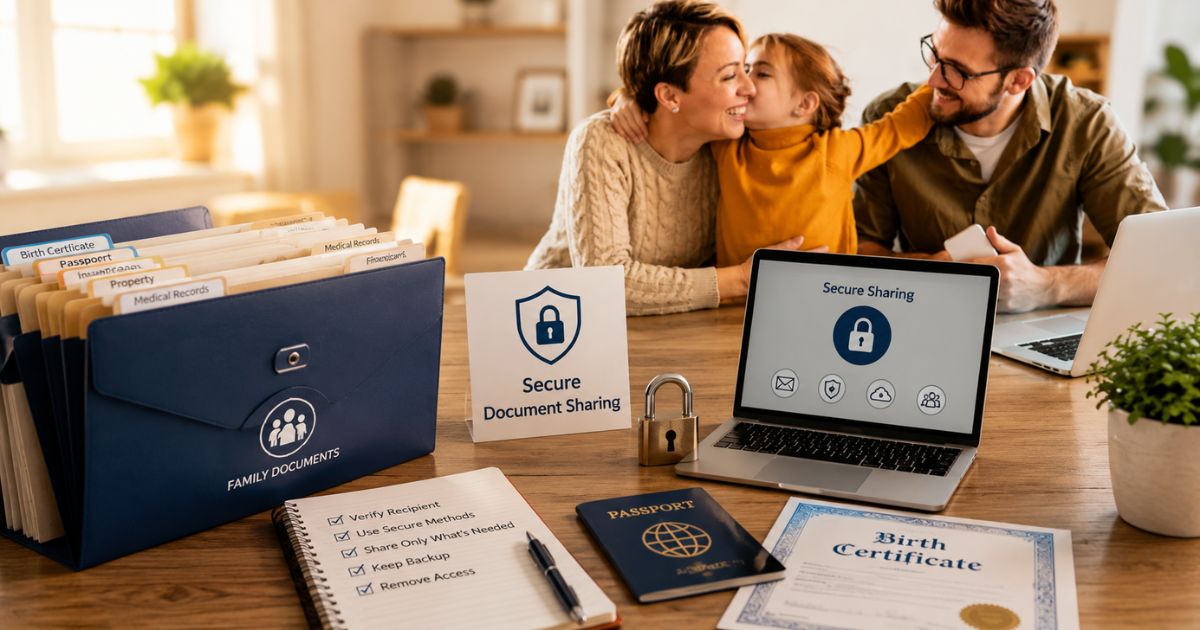
Families often need to share sensitive records securely with trusted individuals. Read our guide on How to Share Family Documents Safely.
Why Birth Certificates Are Important
A birth certificate is often considered the foundation of a person's identity records. Many government agencies, educational institutions, healthcare providers, and financial organizations rely on this document for identity verification.
Because of its importance, families should treat birth certificates as critical records and store them with the same level of care as other valuable legal documents.
Proof of Identity
A birth certificate serves as official proof of a person's identity and date of birth. It is frequently required when applying for other forms of identification throughout life.
Without access to this document, obtaining replacement identification can become more difficult and time-consuming.
School Admissions and Educational Requirements
Schools and educational institutions often require birth certificates during enrollment and registration processes.
The document helps verify:
- Student identity
- Date of birth
- Parent or guardian information
- Eligibility requirements
Having easy access to birth certificates can simplify educational applications and administrative procedures.
Passport Applications and Travel Documentation
Birth certificates are commonly used when applying for passports and other travel-related documents.
Government authorities may require original records or certified copies to verify citizenship and identity information before issuing travel documents.
Proper storage helps ensure the document is available whenever travel plans arise.
Government Services and Benefits
Many government programs and services require proof of identity before benefits or assistance can be provided.
Examples include:
- Social security services
- Healthcare programs
- Government identification applications
- Public assistance programs
- Citizenship-related services
Maintaining secure access to birth certificates can help avoid delays when applying for important services.
Legal and Financial Processes
Birth certificates may also be required during legal and financial transactions. Banks, insurance providers, legal professionals, and financial institutions sometimes request identity documentation to verify personal information.
Keeping the document protected and readily available can make these processes much smoother.
Part of a Complete Family Document System
A birth certificate should never be managed in isolation. It forms part of a broader collection of important family records that help families stay organized and prepared.
For a complete overview of the records every household should maintain, read our guide on Essential Family Documents Checklist.
Understanding the importance of birth certificates is the first step toward protecting them properly. In the next section, we'll look at the most common risks that can damage, destroy, or cause the loss of these valuable documents.
Common Risks That Can Damage or Destroy Birth Certificates
Many families assume important documents will remain safe as long as they are kept somewhere in the home. Unfortunately, birth certificates can be lost, damaged, stolen, or destroyed if they are not stored properly.
Understanding the most common risks can help families take preventive measures and protect these valuable records for the long term.
Accidental Loss or Misplacement
One of the most common problems is simply not knowing where a birth certificate is stored. Documents may be moved during home organization, relocation, renovations, or routine cleaning and become difficult to locate later.
Misplaced records often create unnecessary stress when they are urgently needed for school enrollment, passport applications, or government services.
Creating a dedicated storage location can significantly reduce the risk of losing important documents.
Fire Damage
House fires can destroy paper documents within minutes. Even if a document is not completely burned, smoke, heat, and water used during firefighting efforts can make records unreadable.
Because birth certificates are difficult and sometimes time-consuming to replace, families should consider fire-resistant storage options for added protection.
Water and Moisture Damage
Water damage is another major threat to paper records. Flooding, plumbing leaks, roof leaks, and humidity can cause documents to become stained, warped, or illegible.
Long-term exposure to moisture may also encourage mold growth, further damaging important records.
Storing documents in dry, protected environments can help prevent these issues.
Theft and Unauthorized Access
Birth certificates contain personal information that could potentially be used for identity-related fraud if obtained by unauthorized individuals.
Keeping documents in unsecured locations may increase the risk of theft or misuse.
Families should ensure that sensitive records are accessible only to trusted individuals who genuinely need access.
Deterioration Over Time
Paper documents naturally deteriorate as they age. Exposure to sunlight, dust, humidity, and poor storage conditions can cause fading, discoloration, and physical damage.
Older birth certificates may become fragile and more susceptible to tears or wear if handled frequently.
Proper storage conditions can help preserve important records for many years.
Damage During Travel or Relocation
Important documents are often at greater risk when families move homes or travel. Papers may be misplaced, folded incorrectly, exposed to damage, or accidentally discarded during packing and unpacking.
Using protective document folders or secure storage containers can help reduce these risks.
Lack of Backup Copies
Many families rely solely on original documents without maintaining backup copies. If the original birth certificate is damaged, lost, or destroyed, recovering important information can become much more difficult.
Keeping secure digital copies and properly stored duplicate records can provide an additional layer of protection.
Protecting birth certificates starts with understanding these common risks. In the next section, we'll explore the best storage methods families can use to keep birth certificates safe, secure, and easily accessible when needed.
Keeping your birth certificate safe is an important part of emergency preparedness. Discover how to organize this and other essential records in your Family Emergency Document Plan.
Best Ways to Store Birth Certificates Safely
Proper storage is one of the most effective ways to protect birth certificates from loss, damage, theft, and deterioration. Since these documents are often needed throughout life, families should choose storage methods that provide both security and accessibility.
The ideal solution depends on your family's needs, but combining physical protection with digital backups often provides the highest level of security.
Use a Home Safe for Important Documents
A quality home safe is one of the most popular storage options for birth certificates and other essential records.
Home safes offer several benefits:
- Protection from unauthorized access
- Convenient access when needed
- Storage for multiple important documents
- Additional protection from physical damage
For maximum security, choose a safe that is both fire-resistant and water-resistant.
Store Documents in a Fireproof Document Box
Fireproof document boxes provide an additional layer of protection against one of the most common threats to paper records.
These storage containers are specifically designed to help protect documents from heat and fire damage for a certain period of time.
Many families use fireproof document boxes to store:
- Birth certificates
- Marriage certificates
- Passports
- Property records
- Insurance documents
They can be an affordable option for households that do not have a dedicated safe.
Consider a Safety Deposit Box
For families seeking a higher level of protection, a safety deposit box may be a suitable option.
Safety deposit boxes offer:
- Professional security
- Protection from theft
- Controlled access
- Long-term document storage
However, because access may be limited to banking hours, many families keep certified copies at home while storing originals in a secure off-site location.
Create Secure Digital Copies
Digital copies can provide valuable backup protection if original documents become lost or damaged.
Families may choose to scan birth certificates and store encrypted digital copies in secure locations.
Benefits of digital copies include:
- Quick access when needed
- Easier document organization
- Additional protection against loss
- Convenient emergency access
Digital copies should always be protected using strong passwords and secure storage practices.
Keep Documents Organized With Other Important Family Records
Birth certificates should be stored as part of a larger family document system rather than being kept separately in random locations.
Organized storage helps family members quickly locate important records during:
- School admissions
- Passport applications
- Insurance claims
- Healthcare situations
- Family emergencies
Maintaining a structured document system can save significant time and reduce stress when important paperwork is required.
For a complete overview of essential records families should organize, read our guide on Essential Family Documents Checklist.
Limit Access to Trusted Family Members
Because birth certificates contain sensitive personal information, access should be restricted to trusted individuals who genuinely need it.
Families should also ensure that someone responsible knows where important documents are stored in case of emergencies.
The best storage solution combines security, organization, and accessibility while protecting documents from both physical and digital risks. In the next section, we'll explore how to create backup copies and build a long-term protection strategy for birth certificates and other important family records.
Before sharing sensitive records, make sure you've identified which documents your loved ones may need in the future. Our Important Documents for Loved Ones guide covers the key records every family should keep ready.
Creating Backup Copies and Protecting Birth Certificates for the Long Term
Even the best storage system cannot completely eliminate the risk of loss or damage. That's why creating backup copies is an important part of any birth certificate storage strategy.
Backup copies can provide additional protection and help families access important information if original documents become unavailable.
Create Physical Copies for Reference
While original birth certificates should always be protected, keeping photocopies for reference purposes can be helpful.
Physical copies may be useful when:
- Completing applications
- Providing basic information
- Preparing supporting documents
- Organizing family records
However, families should remember that photocopies may not be accepted as official replacements for original documents in many situations.
Maintain Secure Digital Scans
Digital copies provide an additional layer of protection and can make important information easier to access when needed.
When creating digital backups:
- Use high-quality scans
- Store files in secure locations
- Protect documents with strong passwords
- Enable multi-factor authentication where available
- Maintain backup copies in multiple locations
Secure digital storage can help families access important information quickly while reducing the risk of permanent loss.
Keep Backup Copies Updated and Accessible
Backup systems should be reviewed periodically to ensure files remain accessible and properly protected.
Families should verify that:
- Digital files can still be opened
- Storage devices are functioning properly
- Passwords and recovery information are current
- Trusted family members know how to access important records if necessary
Regular reviews help ensure backup copies remain useful over time.
Share Documents Securely When Necessary
There may be situations where birth certificates need to be shared with schools, government agencies, healthcare providers, or trusted family members.
When sharing important records:
- Use secure communication methods
- Avoid sending documents through unsecured channels
- Limit access to authorized individuals
- Verify the recipient before sharing sensitive information
Careful document sharing helps reduce the risk of unauthorized access or misuse.
Include Birth Certificates in Your Family Emergency Plan
Birth certificates are often needed during emergencies, making it important to include them in your overall family preparedness strategy.
Families should know:
- Where original documents are stored
- Where backup copies are located
- Who can access important records
- How documents can be recovered if needed
Planning ahead can help families respond more effectively during unexpected situations.
Conclusion
A birth certificate is one of the most valuable personal documents a family can own. It supports identity verification, educational enrollment, travel applications, government services, and many other important life events.
Following a reliable birth certificate storage guide can help protect this important record from loss, damage, theft, and deterioration. By using secure storage methods, maintaining backup copies, and keeping documents organized, families can ensure these records remain safe and accessible for years to come.
Taking a proactive approach today can prevent unnecessary stress and complications in the future.
For more resources on organizing and protecting important family records, visit our Family Vault page.
Frequently Asked Questions
cmp6hs57y000oc2bxnj5buqzv
Editorial Contributor
Author and technology contributor at NexaLifeVault.
Share this post
Comments (0)
No comments yet. Be the first to comment!