Important Documents for Loved Ones: A Complete Family Guide
Learn which important documents every family should keep for children, spouses, and aging parents. Discover practical tips to organize, protect, and access essential records with confidence.

When it comes to protecting your family, having the right documents ready is just as important as having a financial plan or emergency savings. Whether you're caring for children, supporting aging parents, or planning for your spouse's future, organized records can make difficult situations much easier to manage.
Important documents help your loved ones make informed decisions, access essential services, and avoid unnecessary delays during medical emergencies, legal matters, or unexpected life events. Keeping these records organized also reduces stress and ensures that the right information is available when it's needed most.
In this guide, you'll learn which documents every family should prepare, how to organize them securely, and the best ways to keep them accessible without compromising privacy. Before getting started, you may also find our Essential Family Documents Checklist helpful for identifying the records every household should maintain.
Why Organizing Important Documents for Loved Ones Matters
Life is unpredictable. A medical emergency, sudden illness, natural disaster, or unexpected legal situation can leave families searching for critical paperwork at the worst possible time. Having important documents for loved ones organized in advance helps everyone respond quickly and confidently.
Faster Access During Emergencies
When important records are easy to find, family members can quickly provide identification, medical history, insurance details, or legal paperwork without unnecessary delays.
Reduces Stress for Your Family
Searching through filing cabinets, drawers, or old folders during an emergency can add unnecessary stress. Keeping documents organized saves valuable time and allows your family to focus on what matters most.
Supports Better Healthcare Decisions
Accurate medical records, prescription information, vaccination history, and healthcare directives help doctors provide appropriate treatment when immediate decisions are required.
Protects Financial and Legal Interests
Important financial and legal documents allow trusted family members to manage accounts, insurance claims, property matters, or legal responsibilities if you're unable to do so yourself.
Improves Long-Term Family Planning
Well-organized records make it easier to update family information after major life events such as marriage, the birth of a child, retirement, or purchasing a new home.
Creating a complete document system becomes even easier when combined with a Family Emergency Document Plan, ensuring every important record is available whenever your loved ones need it.
Essential Documents Every Family Should Keep Ready
Every family has different needs, but certain records should always be organized and easily accessible. Keeping these documents updated helps your loved ones handle everyday responsibilities as well as unexpected emergencies with confidence.
Documents for Children
Children often require important records for school admissions, healthcare, travel, and legal purposes. Parents should keep these documents together in one secure location.
- Birth certificate
- Passport (if available)
- School records and report cards
- Vaccination and immunization records
- Health insurance information
- Emergency contact details
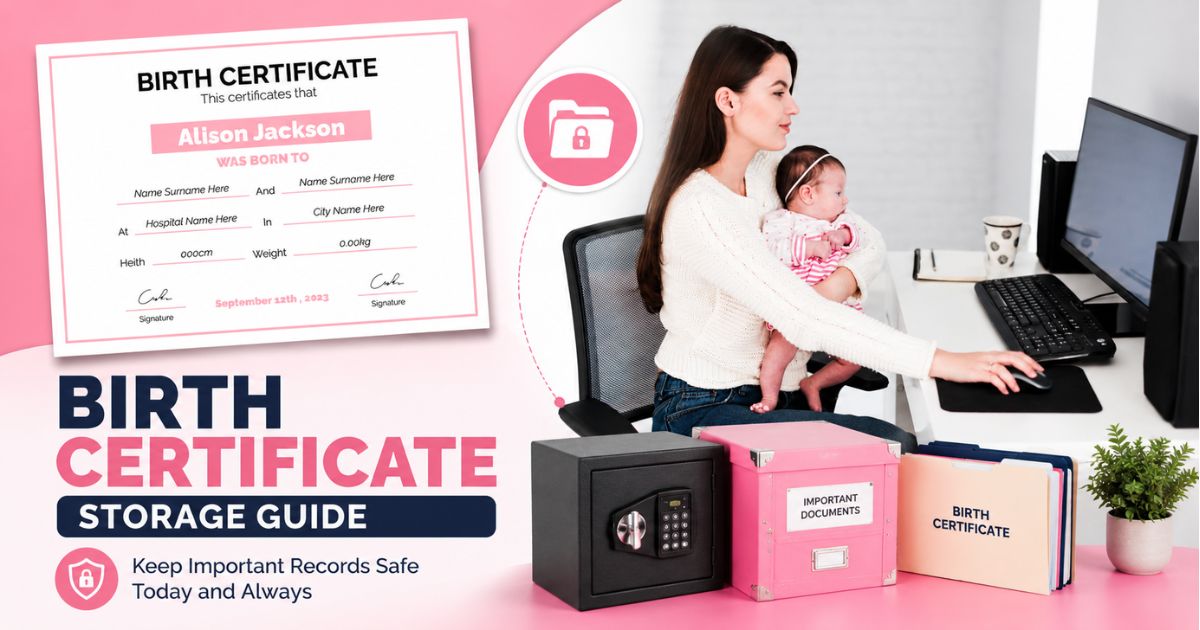
If you're unsure how to safely store identity records, read our Birth Certificate Storage Guide.
Documents for Your Spouse or Partner
Keeping shared financial and legal documents organized helps both partners manage important responsibilities more efficiently.
- Marriage certificate
- Joint bank account information
- Insurance policies
- Property ownership documents
- Loan and mortgage records
- Retirement and investment information
Documents for Aging Parents
As parents grow older, having access to their essential records can make healthcare, financial management, and legal matters much easier.
- Medical history
- Prescription information
- Health insurance cards
- Pension documents
- Identification documents
- Power of Attorney (if applicable)
Medical and Health Records
Keeping medical information organized ensures family members can quickly provide accurate details during emergencies or routine healthcare visits.
- Medical history
- Current medications
- Allergy information
- Blood group details
- Vaccination records
- Recent laboratory reports
Many families now choose digital storage to keep health information secure and accessible. Learn more in our guide on Benefits of Digital Health Records.
Legal and Financial Documents
Legal and financial paperwork protects your family's interests and helps loved ones manage important responsibilities if you're unavailable.
- Will or estate planning documents
- Power of Attorney
- Insurance policies
- Property documents
- Tax records
- Investment and retirement accounts
Keeping these records organized ensures your loved ones can quickly locate the information they need without unnecessary stress or confusion.
How to Organize and Protect Important Documents for Loved Ones
Collecting important paperwork is only the beginning. To truly protect your family, documents should be organized in a way that makes them easy to find, secure from damage, and accessible only to trusted individuals when needed.
Create Separate Categories
Group documents by family member or document type instead of keeping everything in one large folder. This makes it much easier to locate information quickly.
For example, you can create folders for:
- Children's records
- Parents' documents
- Medical records
- Financial documents
- Insurance policies
- Property and legal paperwork
Store Original Documents Safely
Original records should always be kept in a secure location where they are protected from fire, water damage, and unauthorized access.
Consider storing them in:
- A fireproof and waterproof safe
- A locked filing cabinet
- A secure home safe
- A trusted safety deposit box for irreplaceable documents
Create Secure Digital Copies
Scanning important documents provides an additional layer of protection and ensures your loved ones can access critical information even if physical copies are damaged or unavailable.
Digital copies should be stored using:
- Encrypted cloud storage
- Password-protected folders
- Secure external backups
- Trusted digital document management solutions
Limit Access to Trusted Family Members
Not every document needs to be available to everyone. Share access only with trusted family members who may need the information during an emergency or while handling legal or financial responsibilities.
When sharing digital records, use secure methods instead of sending sensitive documents through unsecured messaging apps or email whenever possible.
For additional privacy tips, read our guide on How to Share Family Documents Safely.
Review and Update Documents Regularly
Family records should never be treated as a one-time project. Review them at least once or twice a year to ensure they remain accurate and complete.
Update documents whenever there is a major life event, such as:
- The birth of a child
- Marriage or divorce
- Buying or selling a home
- Changes to insurance policies
- New medical diagnoses or treatments
- Changes to beneficiaries or legal documents
Regular reviews help ensure your loved ones always have access to the most up-to-date information when they need it most.
Best Practices for Managing Important Family Documents
Keeping important documents organized is an ongoing responsibility. By following a few simple best practices, you can ensure your loved ones always have access to accurate, secure, and up-to-date information when it matters most.
Keep Both Physical and Digital Copies
Relying on only paper documents or only digital files can create unnecessary risks. Maintaining both physical originals and secure digital copies provides an extra layer of protection against loss, theft, or damage.
Label and Organize Everything Clearly
Use clearly labeled folders so family members can quickly locate documents without searching through multiple files. Organize records by person or category and maintain a consistent filing system.
Review Your Documents Every Year
Set aside time at least once a year to review your family records. Replace expired documents, update insurance policies, add new medical records, and remove outdated paperwork.
Protect Sensitive Information
Important documents often contain personal and financial information. Keep physical records in secure storage and protect digital files with strong passwords, encryption, and multi-factor authentication whenever available.
Make Sure Someone You Trust Knows Where Everything Is
Even the most organized document system won't help if no one knows it exists. Let a trusted family member know where important records are stored and how they can access them during an emergency.
Common Mistakes to Avoid
- Keeping all documents in one unsecured location.
- Never updating records after major life events.
- Failing to create digital backups.
- Sharing sensitive documents through insecure channels.
- Using weak or reused passwords for digital storage.
- Not informing trusted family members where essential documents are kept.
Conclusion
Keeping important documents for loved ones organized is one of the simplest ways to protect your family's future. From identity records and medical information to financial and legal paperwork, having everything stored securely and updated regularly can save valuable time and reduce stress during unexpected situations.
A well-organized document system also makes it easier to support children, aging parents, spouses, and other family members whenever important decisions need to be made.
To build a complete family document management system, explore our Family Vault.
Frequently Asked Questions
cmp6hs57y000oc2bxnj5buqzv
Editorial Contributor
Author and technology contributor at NexaLifeVault.
Share this post
Comments (0)
No comments yet. Be the first to comment!