Pet Insurance Documents: What to Keep & File Claims
Learn which pet insurance documents to keep, how to file a claim smoothly, and how to avoid the paperwork mistakes that cause claim delays or denials.

An unexpected vet bill after an emergency surgery. A claim that gets delayed because a receipt is missing. A policy detail you can't recall when it actually matters. Pet insurance only works as a safety net if the paperwork behind it is in order. This guide covers which pet insurance documents to keep, what's typically needed to file a claim, and the common paperwork mistakes that slow claims down or get them denied.
What Pet Insurance Documents Should You Keep?
Beyond the policy itself, several supporting documents matter just as much when it's time to actually use your pet's insurance.
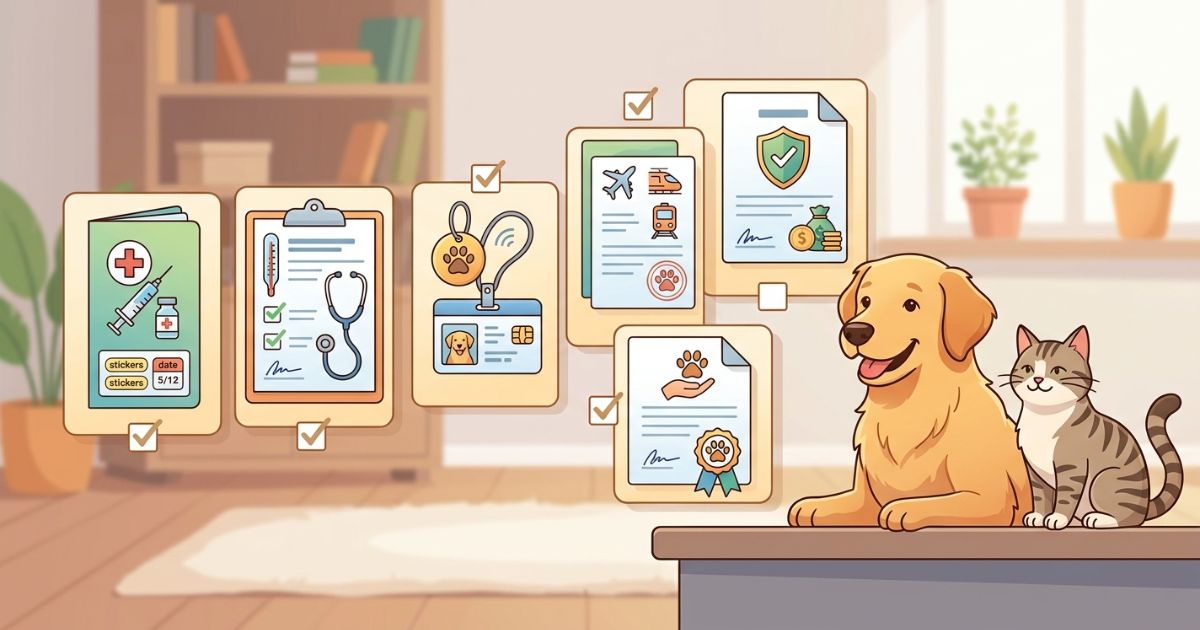
- The full policy document, including coverage limits and exclusions
- Declarations page showing your specific plan details and premium
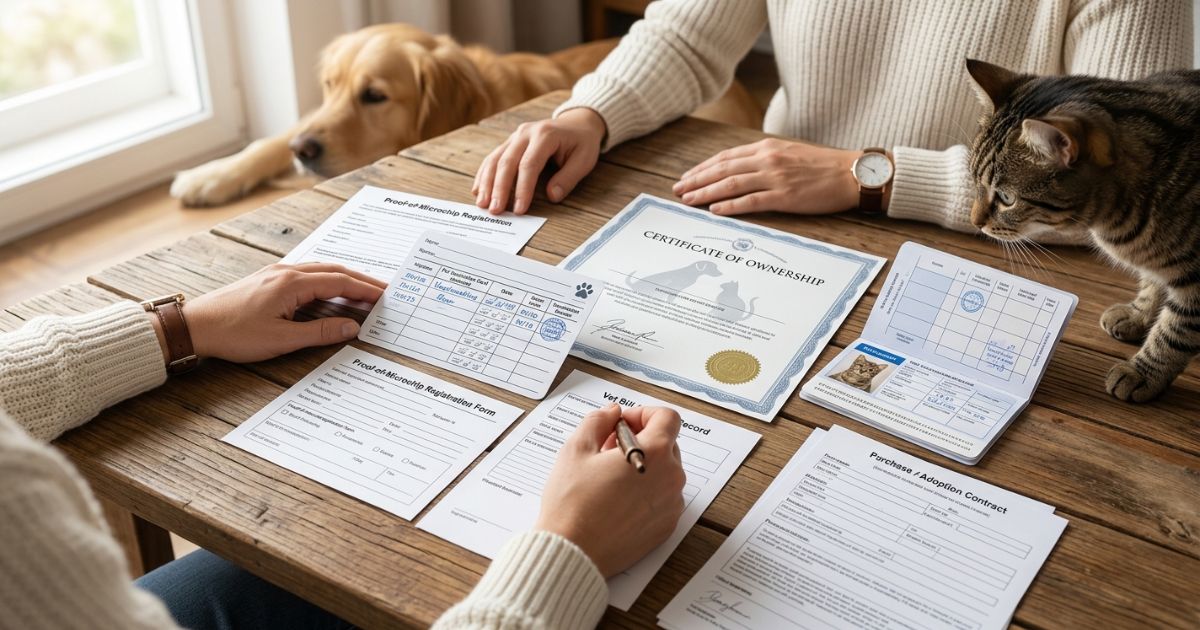
- Itemized vet invoices for every visit, not just summary receipts
- Vet medical records and diagnosis notes related to any claim
- Proof of payment for vet services
- Pre-existing condition documentation, if applicable
- Claim submission confirmations and correspondence with the insurer
Why This Documentation Matters
Pet insurers generally require documented proof of both the veterinary service and the payment made for it, not just a claim form. An itemized invoice showing the specific procedures performed is treated differently than a generic receipt showing a single total, and insurers may request the itemized version specifically. Medical records matter too, since insurers often need to confirm whether a condition was pre-existing, which affects whether it's covered at all.
Missing or incomplete documentation is one of the most common reasons claims are delayed or denied — not because the condition wasn't covered, but because the paperwork submitted didn't support the claim clearly enough.
How to Organize Pet Insurance Documents
- Keep the policy document accessible at all times, not just filed away after signing up — you'll need to reference coverage limits and exclusions quickly during a vet visit.
- Request itemized invoices from the vet, not just a total amount due, since insurers typically need the breakdown of services performed.
- Save medical records related to any ongoing condition, especially if it could be classified as pre-existing for future claims.
- Keep proof of payment separate from the invoice but easy to pair with it, since some insurers request both.
- Track claim submissions and responses. Save confirmation emails, claim numbers, and any correspondence in case a claim needs to be followed up on or appealed.
- Review your policy annually, since coverage terms, premiums, and exclusions can change at renewal.
What's Typically Needed to File a Pet Insurance Claim
| Document | Why It's Needed |
|---|---|
| Itemized vet invoice | Shows exactly what procedures or treatments were performed |
| Proof of payment | Confirms the amount paid, which the claim reimburses against |
| Medical records | Supports diagnosis and confirms the condition isn't excluded |
| Completed claim form | Insurer's official request format, usually specific to each provider |
| Policy number and details | Identifies your specific coverage and applicable limits |
Exact requirements vary by insurer, so it's worth checking your specific provider's claims process rather than assuming all pet insurers require identical documentation.
Common Mistakes That Delay or Deny Claims
- Submitting a summary receipt instead of an itemized invoice, which often isn't detailed enough for the insurer to process.
- Not disclosing prior medical history, which can lead to a claim being denied if the condition is later found to be pre-existing.
- Losing track of the claim confirmation number, making it harder to follow up if a claim is delayed.
- Letting the policy lapse without realizing it, often due to a missed payment or an unnoticed renewal issue.
- Not reading exclusions carefully, leading to a claim being submitted for something the policy never covered.
Keeping Pet Insurance Documents Organized and Accessible
Insurance paperwork tends to matter most during stressful moments — an emergency vet visit, an unexpected diagnosis, or a claim that's being questioned. Having the policy, past invoices, and medical records scattered across email, paper files, and vet portals makes an already difficult moment harder.
This is where a centralized system helps. The Nexa Life Vault Pet Vault keeps policy documents, vet invoices, and medical records organized in one place, so you can pull up exactly what's needed when filing a claim or discussing coverage with your insurer — without searching through old emails or paper files under pressure. It works well alongside a broader pet documents checklist and your pet's vaccination records, since insurers sometimes reference vaccination history for certain claims too.
A Note on Country-Specific Considerations
Pet insurance regulations and typical coverage structures differ by country. In the United States, pet insurance is regulated at the state level, and policies vary significantly between providers in what's covered and how claims are processed. In the United Kingdom, pet insurance often follows either an annual, lifetime, or maximum-benefit structure, each with different implications for pre-existing conditions. In India, pet insurance is a newer and smaller market, with fewer providers and less standardized claims processes. Always review your specific policy documents and confirm claims requirements directly with your provider.
Key Takeaways
- Keep itemized vet invoices, not just receipts, since most insurers require the detailed breakdown.
- Medical records help confirm whether a condition is pre-existing, which directly affects claim coverage.
- Review your policy annually, since coverage terms and exclusions can change at renewal.
- Track claim confirmations and correspondence in case follow-up is needed.
- Incomplete documentation is one of the most common reasons claims are delayed or denied.
- Pet insurance regulations and typical policy structures vary by country — review your specific policy carefully.
Conclusion
Pet insurance is only as useful as the paperwork behind it. Keep your policy details, itemized invoices, and medical records organized as you go, rather than trying to gather everything after an unexpected vet bill arrives. The Pet Vault can help keep this documentation centralized and ready, so filing a claim is a straightforward next step rather than a scramble through old files.
Frequently Asked Questions
cmp6hs57y000oc2bxnj5buqzv
Editorial Contributor
Author and technology contributor at NexaLifeVault.
Share this post
Comments (0)
No comments yet. Be the first to comment!