Proof of Pet Ownership: Documents You Need
Learn which documents prove pet ownership, how microchip registration works, and what to do if your pet goes missing or an ownership dispute comes up.
A lost dog gets found by animal control, and the shelter asks for proof before releasing them back to you. A roommate or ex-partner disputes who a pet belongs to. A microchip scan pulls up outdated contact information. Most pet owners assume ownership is obvious until a moment like this makes it clear it isn't automatically documented. This guide covers what actually counts as proof of pet ownership, how microchip registration fits in, and what to do if your pet goes missing or an ownership question comes up.
What Counts as Proof of Pet Ownership?
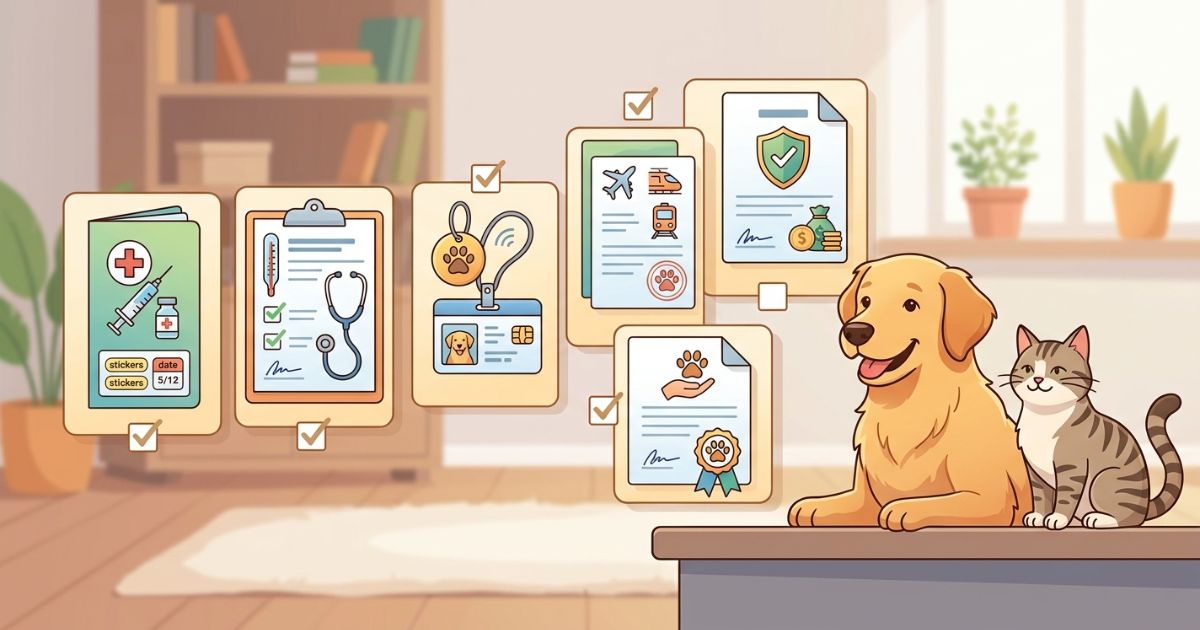
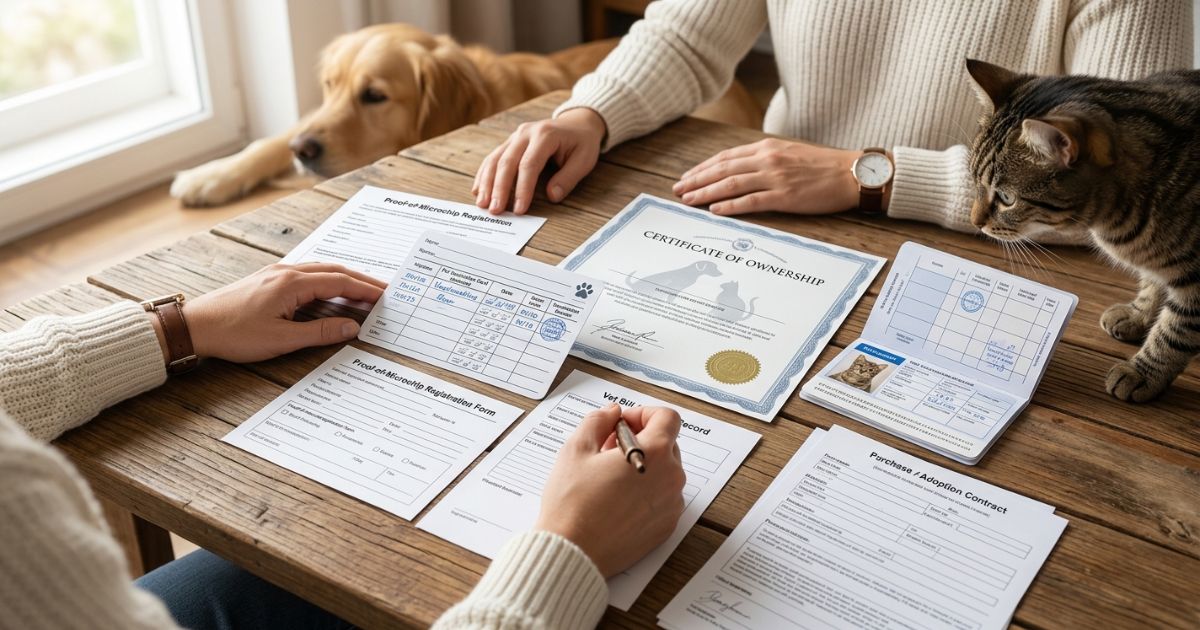
There's no single official "pet ownership certificate" in most places, which means proof is usually built from a combination of documents and records rather than one definitive paper.
- Adoption papers or a bill of sale from a breeder
- Microchip registration showing you as the registered owner
- Veterinary records listing you as the pet's owner
- Pet license or registration with a local authority, where applicable
- Photos and videos showing you with the pet over time
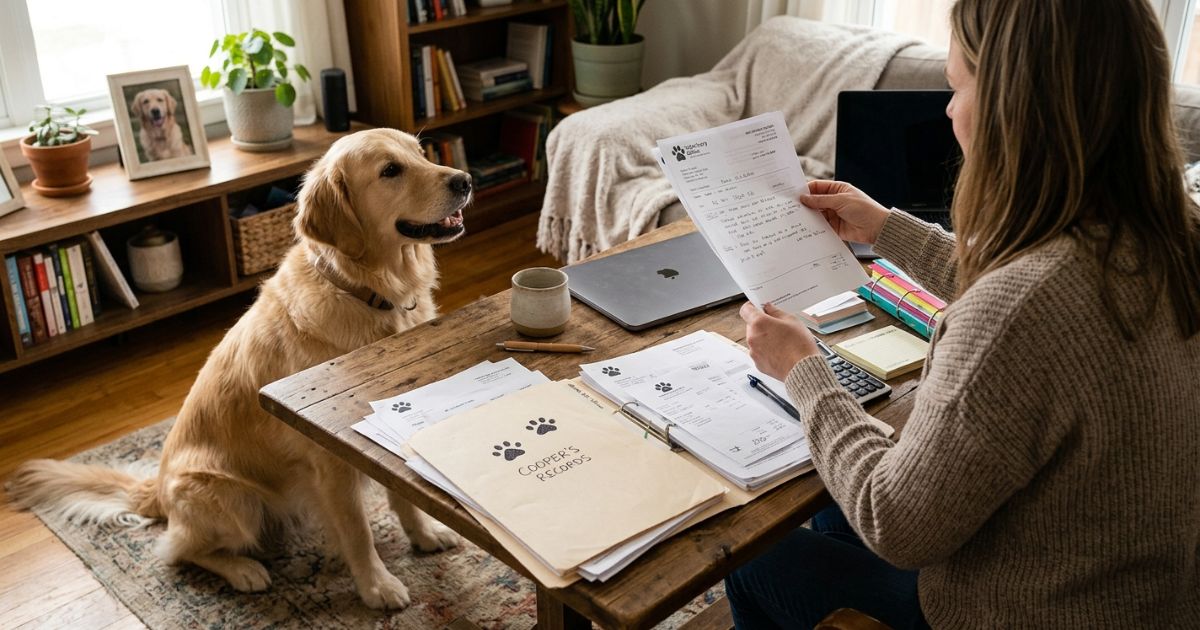
- Purchase receipts for pet-related items, insurance, or services in your name
Why Proof of Ownership Matters
Most people don't think about proving pet ownership until it's suddenly necessary. A shelter or animal control officer holding a found pet will typically ask for some form of proof before releasing the animal, especially if someone else has also claimed it. In a custody dispute whether between roommates, family members, or separating partners there's often no automatic legal default the way there might be for other property, so documentation carries real weight. Even something as simple as boarding a pet at a new facility can require proof that you're authorized to make decisions for that animal.
How Microchip Registration Works as Proof
A microchip itself doesn't prove ownership it's a small identifier implanted under the skin that stores a unique number. What matters is the registration behind it: the database entry that links that number to an owner's name and contact information. This is a common point of confusion, since many owners assume having a chip is enough, without realizing the registration also needs to be kept current.
- Confirm the chip is registered, not just implanted some pets are chipped but never registered to the current owner.
- Keep the registration confirmation. Save the paperwork or email confirming your name and contact details are linked to the chip number.
- Update it after any move or phone number change. An outdated registration can prevent a found pet from being matched back to you.
- Keep the chip number written down separately, not only stored in the chip itself, so you can reference it without needing a scanner.
What to Do If Your Pet Goes Missing
If a pet goes missing, having documentation ready speeds up recovery significantly. Contact local shelters and animal control with a description, photos, and your pet's microchip number if known. If the pet is found and taken to a shelter, be prepared to show adoption papers, vet records, or microchip registration as proof before the pet is released to you. Filing a report with local authorities and checking shelter listings regularly in the days after a pet goes missing also improves the odds of recovery.
Common Mistakes That Complicate Ownership Claims
- Never registering the microchip after adoption, leaving it linked to a shelter or previous owner instead of you.
- Forgetting to update contact details after moving, so a found pet can't be matched back to current information.
- Having vet records under a different person's name, such as an ex-partner or family member, without updating them.
- No documentation at all for pets acquired informally, such as through a private rehoming without paperwork.
- Losing adoption or purchase papers entirely, with no backup copy saved anywhere.
Keeping Ownership Documents Organized and Accessible
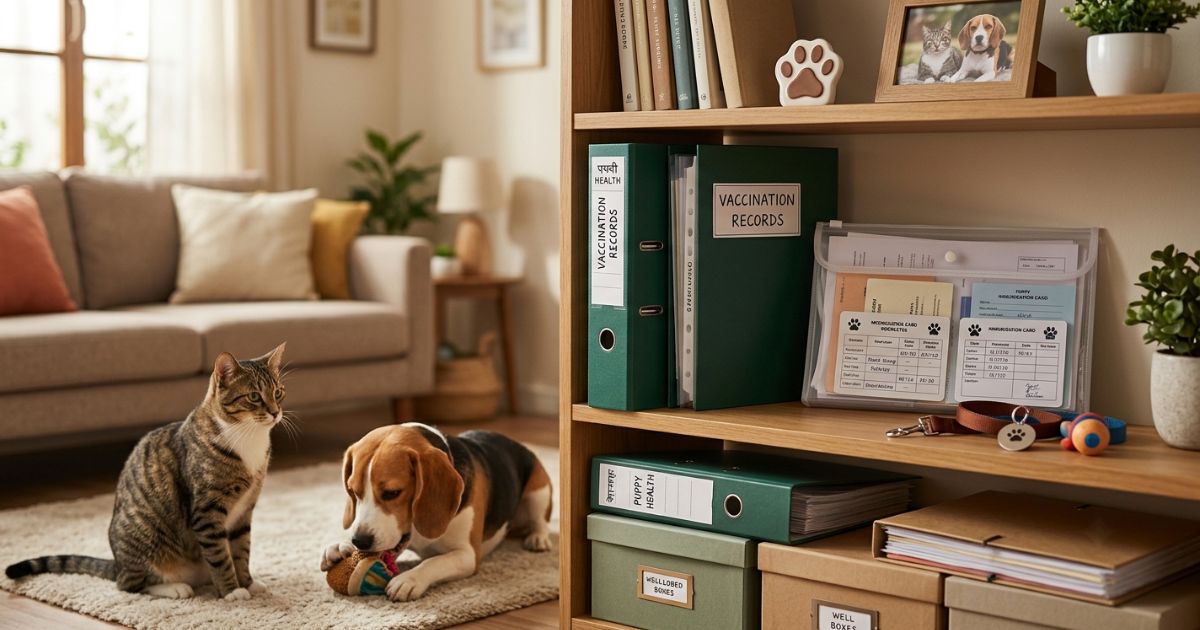
Ownership documents are rarely needed under calm circumstances they come up during a lost pet emergency, a dispute, or an unexpected request from a shelter or authority. Papers filed away and forgotten aren't useful if you can't locate them quickly under stress.
The Nexa Life Vault Pet Vault is designed to keep adoption papers, microchip registration details, and vet records in one accessible place, so proof of ownership is ready if a shelter, authority, or dispute ever requires it rather than something you have to search for during an already stressful situation. It pairs naturally with your pet's vaccination records and the broader pet documents checklist, since vets and shelters often ask for multiple documents together.
A Note on Country-Specific Rules
Legal recognition of pet ownership varies by country. In the United States, pets are generally treated as personal property, and ownership disputes are often resolved through evidence like registration, receipts, and vet records rather than a single legal ownership certificate. In the United Kingdom, microchipping is legally required for dogs, and the registered keeper on the microchip database is often treated as strong evidence of ownership. In India, pet registration requirements vary by city and municipal authority, and formal ownership documentation is less standardized. Check with local authorities for requirements specific to your location.
Key Takeaways
- Proof of pet ownership is usually built from multiple documents, not one official certificate.
- A microchip only helps if it's actually registered to your current name and contact details.
- Keep adoption papers, vet records, and registration confirmations together and accessible.
- Update microchip registration immediately after any move or contact change.
- If a pet goes missing, documentation speeds up recovery from shelters or animal control.
- Legal recognition of pet ownership varies by country check local requirements where relevant.
Conclusion
Proof of pet ownership isn't something most owners think about until a shelter, dispute, or lost pet situation makes it urgent. Start by confirming your microchip registration is current, gathering adoption or purchase papers, and keeping vet records under your correct details. The Pet Vault can help keep this documentation organized and ready, so you're prepared if ownership ever needs to be proven quickly.
Frequently Asked Questions
cmp6hs57y000oc2bxnj5buqzv
Editorial Contributor
Author and technology contributor at NexaLifeVault.
Share this post
Comments (0)
No comments yet. Be the first to comment!