Property Documents Checklist: Organize and Protect Your Property Records
Learn which property documents every homeowner should keep and discover practical tips to organize, protect, and securely store important property records.
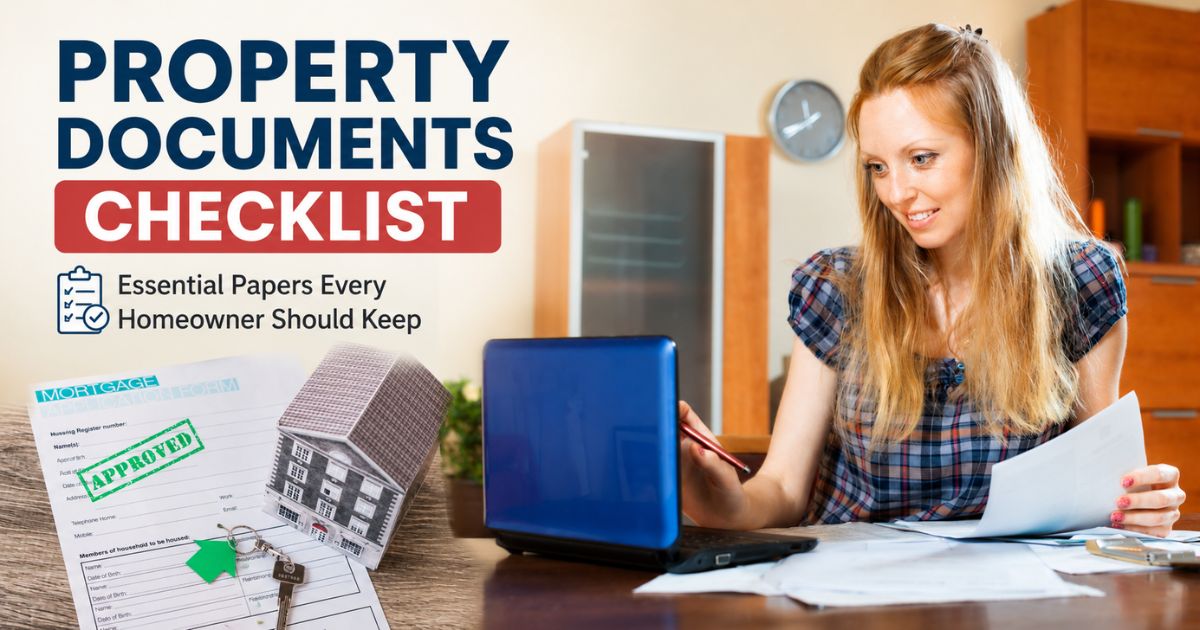
Buying a home is one of the biggest financial investments most people will ever make. Along with the property itself comes a collection of important legal, financial, and ownership documents that should be organized and protected from day one.
Whether you're purchasing your first home, refinancing a mortgage, selling a property, or filing an insurance claim, having the right paperwork readily available can save time, prevent legal issues, and simplify the entire process.
In this guide, you'll find a complete property documents checklist, learn why each document matters, and discover practical tips for storing both physical and digital copies securely. For more household organization resources, visit our Home Vault, your complete resource for managing important home records.
Why Property Documents Are Important
Property documents are more than just paperwork—they serve as legal proof of ownership and provide essential information about your home. Keeping these records organized makes it easier to handle financial transactions, legal matters, insurance claims, and future property sales.
Proof of Ownership
Documents such as the property deed and title records establish your legal ownership. Without them, resolving ownership disputes or completing property transactions can become much more complicated.
Simplifies Buying and Selling
When buying or selling a property, organized documentation speeds up the verification process and helps avoid unnecessary delays during closing.
Supports Mortgage and Loan Applications
Lenders often require property-related documents before approving mortgages, refinancing, or home equity loans. Having everything prepared can make the approval process smoother.
Essential for Insurance Claims
Property records and purchase documents may be required when filing home insurance claims after damage caused by fire, storms, theft, or other covered events.
Helps Resolve Legal Disputes
If questions arise regarding ownership, boundaries, taxes, or property history, accurate documentation provides valuable legal evidence.
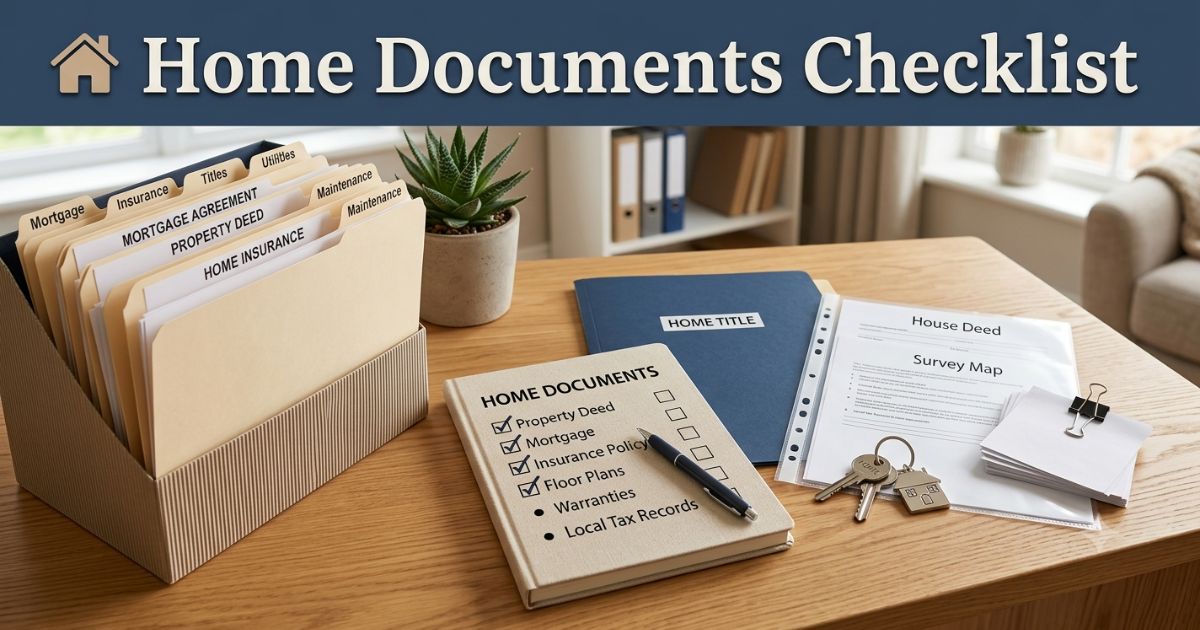
Once you've gathered your property paperwork, store it alongside your other household records by following our Home Documents You Should Keep guide.
Complete Property Documents Checklist
Every property owner should maintain a well-organized file containing all important ownership, financial, and legal documents. Keeping these records together makes it easier to manage your property, apply for loans, file insurance claims, and complete future property transactions.
Property Deed or Title Deed
The title deed is one of the most important property documents. It serves as legal proof of ownership and confirms that the property belongs to you.
Sale or Purchase Agreement
This agreement outlines the terms and conditions of the property transaction, including the purchase price, payment schedule, and responsibilities of both the buyer and seller.
Mortgage or Home Loan Documents
If your property is financed, keep all mortgage-related paperwork together, including:
- Loan agreement
- Mortgage approval letter
- Repayment schedule
- Monthly loan statements
- Loan closure certificate (once paid off)
Property Tax Records
Maintain copies of your property tax bills and payment receipts. These records may be required for tax purposes, property sales, or ownership verification.
These documents confirm that your property complies with local building regulations and has been approved for occupancy.
- Building permits
- Occupancy certificate
- Completion certificate (where applicable)
Home Insurance Documents
Your insurance paperwork should always be stored with your property records.
- Insurance policy
- Coverage details
- Premium payment receipts
- Claim history
- Renewal notices
Our Home Insurance Documents Guide explains how to organize these records for quick access during emergencies.
Utility Connection Documents
Keep the original paperwork for essential household services, including:
- Electricity connection records
- Water connection documents
- Gas connection paperwork
- Internet installation records
These documents can be helpful when changing providers, transferring ownership, or resolving service-related issues.
Home Improvement and Renovation Records
Store invoices and documentation for major improvements made to your property.
- Renovation contracts
- Contractor invoices
- Warranty certificates
- Inspection reports
- Remodeling permits
These records help demonstrate your property's maintenance history and may increase its value during resale.
Warranty Documents for Permanent Installations
Keep warranties for expensive home installations and systems, such as:
- HVAC systems
- Solar panels
- Roof installations
- Water heaters
- Built-in appliances
- Security systems
Organizing these essential records ensures you'll always have the right documents available when buying, selling, insuring, refinancing, or maintaining your property.
How to Organize and Store Property Documents Securely
Having the right property documents is only part of the process. They should also be stored in a way that keeps them safe, organized, and easy to access whenever they're needed. A well-planned filing system protects your records from loss, damage, and unauthorized access while making everyday home management much simpler.
Create a Dedicated Property File
Keep all property-related paperwork together instead of scattering documents across different folders or storage locations. A dedicated property file makes it easier to locate important records during property transactions or emergencies.
Your property file can include separate sections for:
- Ownership documents
- Mortgage records
- Property tax receipts
- Insurance policies
- Utility connection records
- Renovation and maintenance documents
- Warranty certificates
Protect Original Documents
Original property documents are difficult—and sometimes impossible—to replace. Store them in a secure location that protects them from theft, fire, water damage, and everyday wear.
Recommended storage options include:
- A fireproof and waterproof document safe
- A locked filing cabinet
- A secure home office drawer
- A bank safety deposit box for highly valuable documents
Keep only working copies for routine use whenever possible, while preserving the originals in secure storage.
Create Digital Copies
Scanning important property documents provides an extra layer of protection. Digital copies allow you to quickly retrieve information even if physical documents are misplaced or damaged.
When creating digital backups:
- Scan documents in high resolution
- Save files as searchable PDFs
- Use clear and consistent file names
- Store backups in more than one secure location
If you're planning to organize all household records digitally, our Digital Home Organization Tips guide offers practical strategies for creating a secure paperless filing system.
Use Secure Cloud Storage
Cloud storage makes property documents accessible from anywhere while reducing the risk of losing important records due to hardware failure or physical damage.
For better security:
- Enable multi-factor authentication
- Use strong, unique passwords
- Limit access to trusted family members
- Review sharing permissions regularly
Secure cloud storage ensures your documents remain available whenever you need them while protecting sensitive information.
Review Your Property Documents Regularly
Your property records should be reviewed at least once a year or whenever there is a significant change related to your home.
Remember to update:
- Insurance policies
- Property tax receipts
- Mortgage statements
- Renovation records
- Warranty documents
- Utility account information
Regular reviews help keep your records complete, accurate, and ready for future property transactions or unexpected situations.
By combining secure physical storage with reliable digital backups, you can protect your property documents while ensuring they're always easy to find when you need them most.
Property ownership records are only one part of an organized home filing system. To keep your household paperwork complete, read our Utility Bills & Home Records Management guide for helpful tips on organizing utility bills, maintenance records, and other essential home documents.
Best Practices for Managing Property Documents
Keeping your property documents organized is an ongoing responsibility. By following a few simple best practices, you can protect important records, reduce paperwork, and ensure they're always available when needed for legal, financial, or personal reasons.
Keep Both Physical and Digital Copies
Original documents are essential for ownership verification and legal transactions, while digital copies provide convenient access and additional protection. Maintaining both formats gives you peace of mind if one version is lost or damaged.
Organize Documents by Category
Instead of storing everything in a single folder, separate documents into clearly labeled categories. This makes it easier to find specific records without wasting time.
For example, create folders for:
- Ownership documents
- Mortgage records
- Insurance policies
- Property tax documents
- Utility records
- Renovation and warranty documents
Review Documents Every Year
Property records should be reviewed annually to ensure they remain complete and up to date.
During your review:
- Replace outdated insurance documents.
- Add new tax receipts.
- File renovation invoices.
- Update mortgage statements.
- Remove duplicate or unnecessary copies.
Protect Sensitive Information
Property documents often contain personal details, financial information, and legal records. Keep physical files in secure storage and protect digital copies using strong passwords, encryption, and multi-factor authentication whenever possible.
Share Documents Securely
If you need to send property records to banks, lawyers, insurance companies, or buyers, always use secure file-sharing methods instead of unsecured public links or messaging apps.
Only share the documents required for the specific transaction and verify the recipient before sending any confidential information.
Common Mistakes to Avoid
- Keeping original property documents in unprotected locations.
- Failing to create digital backups.
- Mixing property documents with unrelated household paperwork.
- Ignoring insurance renewals and tax records.
- Using inconsistent file names that make documents difficult to locate.
- Sharing confidential property records without verifying the recipient.
Conclusion
A complete property documents checklist helps you protect one of your most valuable assets. By organizing ownership records, mortgage documents, insurance policies, tax receipts, and maintenance records in one secure system, you'll be prepared for property transactions, insurance claims, legal matters, and everyday home management.
Combining secure physical storage with reliable digital backups makes your records easier to manage while reducing the risk of loss or damage. Taking the time to organize your paperwork today can save significant time, money, and stress in the future.
Frequently Asked Questions
cmp6hs57y000oc2bxnj5buqzv
Editorial Contributor
Author and technology contributor at NexaLifeVault.
Share this post
Comments (0)
No comments yet. Be the first to comment!