Digital Assets You Should Protect: A Complete Security Guide
Discover the digital assets you should protect, from email accounts and cloud storage to financial records and business data. Learn practical security tips to keep your valuable online information safe from cyber threats and data loss.
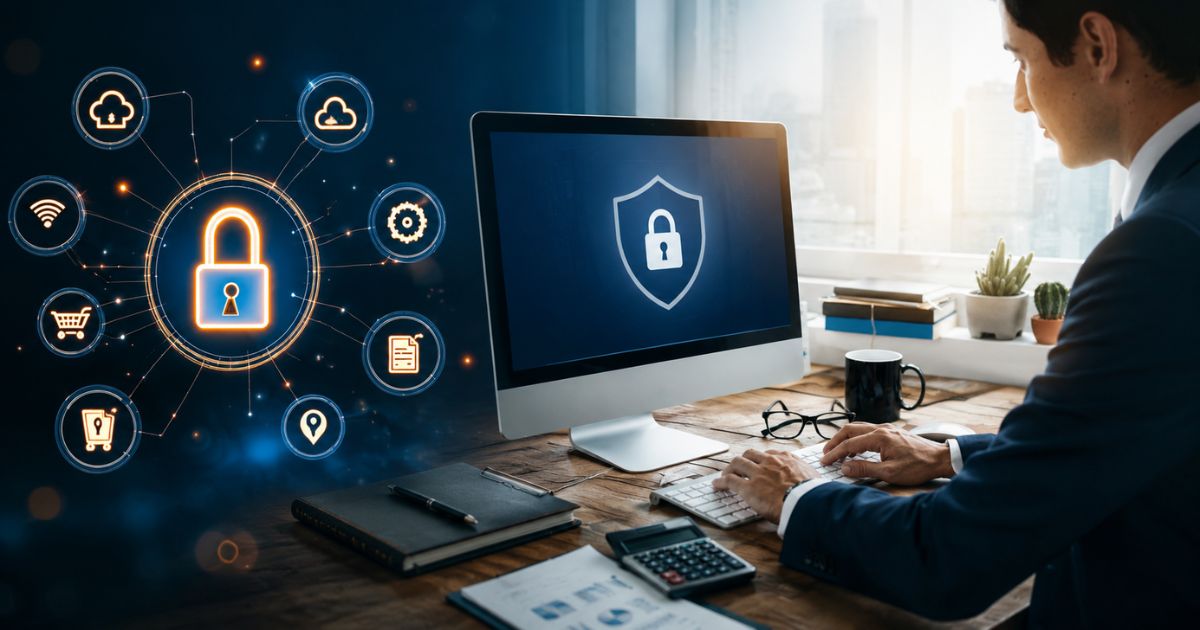
Most people think about protecting physical valuables like cash, important documents, or personal belongings. However, many of our most valuable possessions now exist online. From email accounts and cloud storage to financial records and business documents, digital assets have become an important part of everyday life.
Understanding the digital assets you should protect is the first step toward improving your online security. If these assets fall into the wrong hands, the consequences can range from identity theft and financial loss to the exposure of sensitive personal or business information.
The good news is that protecting digital assets doesn't have to be complicated. By identifying what matters most and following a few security best practices, you can significantly reduce the risk of unauthorized access and data loss.
In this guide, we'll explore the most important digital assets to protect and practical steps you can take to keep them secure.
Many valuable digital assets are linked to online accounts such as email, cloud storage, banking, and social media platforms. Following good account management practices can help keep these assets secure. Read our guide on Online Account Management Tips for Better Security.
What Are Digital Assets?
Digital assets are any valuable information, accounts, files, or online resources that exist in digital form. These assets may contain personal information, financial details, business data, intellectual property, or memories that would be difficult to replace if lost.
As more aspects of life move online, the number of digital assets we manage continues to grow. Many people don't realize how much important information is stored across email accounts, cloud storage platforms, mobile devices, and online services.
Whether you're managing personal accounts or business systems, digital assets deserve the same level of protection as physical valuables.
Why Digital Assets Matter
Digital assets often provide access to other important accounts and services. For example, if someone gains access to your primary email account, they may be able to reset passwords for banking, shopping, cloud storage, and social media platforms.
Similarly, unauthorized access to cloud storage could expose personal documents, family records, photos, contracts, or confidential business files.
Because digital assets are interconnected, a single security breach can sometimes affect multiple areas of your digital life.
The Growing Importance of Digital Security
Cyber threats continue to evolve, making digital security more important than ever. Phishing attacks, ransomware, account takeovers, and data breaches have become increasingly common.
Protecting digital assets isn't just about preventing hackers from gaining access. It's also about ensuring that important information remains available when you need it.
Strong passwords play a major role in protecting valuable online assets. If you haven't already reviewed your password security practices, read our guide on Manage Passwords Securely.
By understanding which assets are most valuable and implementing appropriate security measures, you can build a stronger foundation for protecting your digital life.
Personal Digital Assets You Should Protect
Many people underestimate the value of their personal digital assets until something goes wrong. Losing access to an important account, having personal information exposed, or discovering that files have been deleted can be both stressful and costly.
Understanding which personal assets deserve the highest level of protection can help you focus your security efforts where they matter most.
Email Accounts
Your email account is often the gateway to your digital life. It is commonly used for password resets, account verification, financial notifications, and personal communication.
If someone gains access to your email account, they may be able to access multiple other services linked to it.
For this reason, your primary email account should always be protected with a strong password and multi-factor authentication.
Cloud Storage Accounts
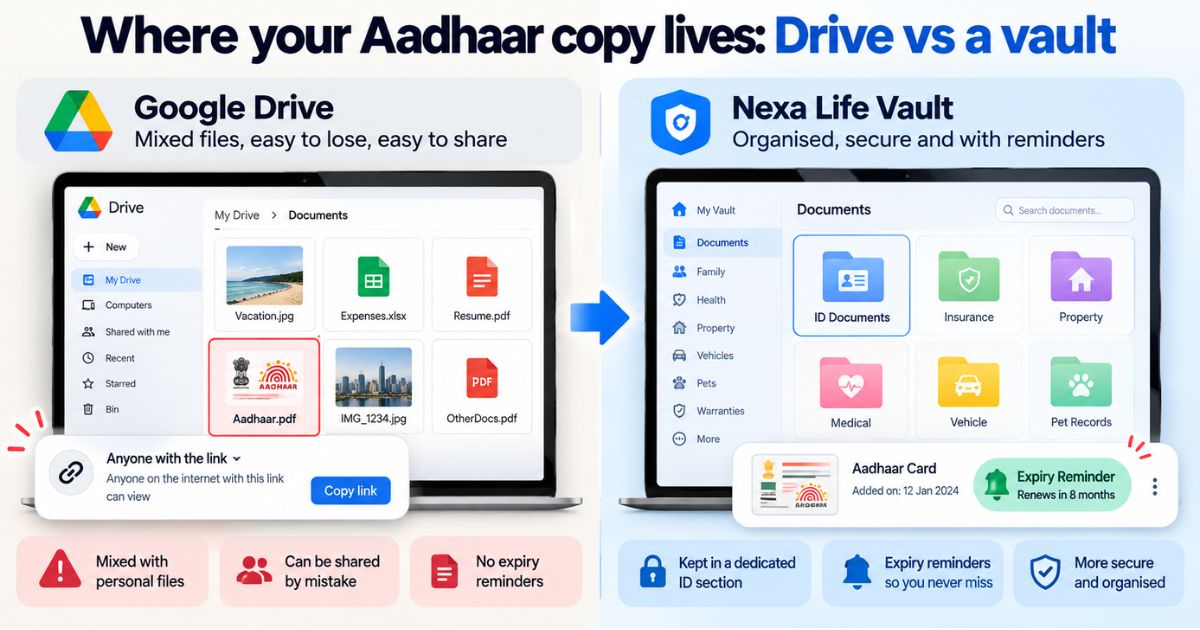
Cloud storage services have become a convenient way to store documents, photos, videos, and backups. However, these accounts often contain some of your most valuable digital information.
Important files stored in cloud storage may include:
- Personal documents
- Medical records
- Financial statements
- Family photos and videos
- Business files
- Backup copies of important records
Securing cloud storage accounts helps reduce the risk of unauthorized access and accidental data loss.
Photos and Personal Memories
Many people focus on financial information while overlooking the importance of personal photos and videos. These files often represent years of memories that cannot be replaced if lost.
Regular backups and secure storage can help preserve important family moments and personal records for the future.
Protecting personal memories is just as important as protecting financial information.
Social Media Accounts
Social media profiles often contain personal details, photos, contacts, and private conversations. If these accounts are compromised, attackers may use them for scams, identity theft, or fraudulent activity.
To improve security:
- Use unique passwords
- Enable multi-factor authentication
- Review privacy settings regularly
- Be cautious of suspicious messages and links
Taking these simple steps can help keep your social media presence secure.
Financial Accounts
Banking platforms, payment services, investment accounts, and online wallets require the highest level of protection. Unauthorized access to these accounts can lead to financial losses and identity-related fraud.
Strong passwords, account alerts, multi-factor authentication, and regular monitoring can help reduce risk.
It's also important to review account activity periodically and report suspicious transactions immediately.
Online Shopping and Subscription Accounts
Many online shopping platforms store payment methods, addresses, and personal information. Subscription services may also contain billing details and account credentials.
While these accounts may seem less important than banking platforms, they can still provide valuable information to cybercriminals if compromised.
Using unique passwords for shopping and subscription accounts helps strengthen overall digital security.
Protecting personal digital assets starts with understanding what information is most valuable and taking proactive steps to secure it. Small improvements in account security today can help prevent major problems in the future.
Protecting valuable digital assets is only part of the process. Creating secure backup copies ensures that important documents, photos, financial records, and business files remain recoverable if something goes wrong. Read our guide on Backup Your Important Digital Files.
Business Digital Assets You Should Protect
While personal digital assets are important, businesses often face even greater risks when digital information is not properly protected. A security incident can result in financial losses, operational disruptions, legal complications, and damage to a company's reputation.
Modern businesses rely heavily on digital systems to store information, communicate with customers, manage operations, and support growth. Understanding which business assets require the highest level of protection is essential for maintaining long-term security and business continuity.
Business Documents and Records
Many organizations store critical documents digitally, including contracts, financial records, employee files, tax documents, policies, and operational procedures. These records are essential for daily operations and regulatory compliance.
If business documents are lost, deleted, or accessed by unauthorized individuals, the impact can be significant.
Organizations should ensure that important records are stored securely, backed up regularly, and only accessible to authorized personnel.
Customer Data
Customer information is one of the most valuable digital assets a business possesses. This data may include names, contact details, purchase histories, account information, and communication records.
Protecting customer data is not only important for maintaining trust but may also be required under various privacy and data protection regulations.
Businesses should implement strong access controls, secure storage systems, and regular security reviews to reduce the risk of data exposure.
Business Websites and Domains
A company website often serves as its digital storefront. If a website becomes unavailable or compromised, customers may lose confidence in the business.
In addition to website security, businesses should also protect domain registrations and account credentials associated with hosting providers and website management platforms.
Securing these assets helps prevent unauthorized changes, downtime, and potential cyberattacks.
Digital Contracts and Agreements
Many businesses now manage contracts digitally rather than relying solely on paper records. Vendor agreements, client contracts, partnership arrangements, and legal documents often contain sensitive information that must be protected.
Unauthorized access to these documents can create legal and operational risks.
Businesses should maintain secure storage systems and backup procedures for all important agreements and legal records.
Intellectual Property and Proprietary Information
Intellectual property can be one of a company's most valuable assets. This may include trademarks, copyrights, proprietary processes, product designs, research data, software code, and confidential business strategies.
Unlike physical assets, intellectual property can often be copied or distributed quickly if proper protections are not in place.
Organizations should implement strict access controls and secure storage practices to protect proprietary information from unauthorized use.
Employee and Operational Data
Employee records, payroll information, training materials, internal communications, and operational documents are also important digital assets.
These records support daily business functions and often contain confidential information that should only be accessible to authorized personnel.
Maintaining secure systems for employee and operational data helps reduce internal and external security risks.
The Importance of Secure Digital Storage
Protecting business assets requires more than simply storing files on computers or shared drives. Businesses should develop a structured approach that includes strong passwords, secure storage solutions, regular backups, and ongoing monitoring.
Digital assets that are properly organized and protected are easier to manage, recover, and maintain over time.
Whether you're running a small business or a large organization, protecting valuable digital assets should be a key part of your overall security strategy.
How to Protect Your Digital Assets
Identifying valuable digital assets is only the first step. To truly protect your information, you need a security strategy that reduces risks and helps prevent unauthorized access, data loss, and cyber threats.
The good news is that most digital assets can be protected by following a few practical security habits. These measures not only improve security but also provide peace of mind knowing that important information is safeguarded.
Use Strong and Unique Passwords
Every digital asset is only as secure as the account protecting it. Weak or reused passwords remain one of the most common causes of account breaches.
Using strong, unique passwords for each account significantly reduces the risk of unauthorized access. Password managers can also help generate and store complex passwords securely.
Enable Multi-Factor Authentication (MFA)
Multi-factor authentication adds an extra layer of protection by requiring an additional verification step when signing in.
Even if a password is compromised, MFA can help prevent attackers from gaining access to your accounts.
Whenever possible, enable MFA for:
- Email accounts
- Cloud storage platforms
- Financial services
- Business applications
- Social media accounts
This simple security measure can dramatically improve account protection.
Back Up Important Files Regularly
Accidental deletion, hardware failures, ransomware attacks, and other unexpected events can result in permanent data loss.
Regular backups ensure that important digital assets remain available even if the original files become inaccessible.
Businesses and individuals should maintain multiple backup copies of critical files and store backups in secure locations.
Backing up important information is one of the most effective ways to protect valuable digital assets.
Keep Software and Devices Updated
Software updates often include important security improvements that address newly discovered vulnerabilities.
Delaying updates can leave devices and applications exposed to security threats.
To improve protection:
- Enable automatic updates when possible
- Keep operating systems current
- Update security software regularly
- Remove outdated applications that are no longer needed
Keeping systems updated helps reduce the risk of exploitation by cybercriminals.
Be Cautious of Phishing Attempts
Many cyberattacks begin with phishing emails, fake websites, or fraudulent messages designed to steal login credentials.
Before clicking links or downloading attachments, verify the source carefully.
Common warning signs include:
- Unexpected requests for sensitive information
- Urgent or threatening language
- Suspicious links
- Poor grammar or unusual formatting
- Requests to bypass normal security procedures
Awareness is one of the strongest defenses against phishing attacks.
Create a Personal Digital Security Plan
Protecting digital assets is easier when you have a structured approach. Rather than securing accounts one at a time, consider developing a simple digital security plan.
This plan may include:
- Regular password reviews
- Multi-factor authentication setup
- Backup schedules
- Cloud storage security checks
- Account recovery information updates
Small, consistent actions can provide long-term protection for your most valuable digital assets.
Many valuable digital assets, including documents, photos, financial records, and business files, are often stored in cloud platforms. Using secure storage methods and proper access controls can help protect this information from unauthorized access and data loss. Read our guide on Cloud Storage Best Practices: Keep Your Files Safe Online to learn how to keep your files secure.
Conclusion
Digital assets have become an important part of everyday life. From email accounts and cloud storage to financial records, business documents, and personal memories, these assets often contain information that would be difficult or impossible to replace.
Understanding the digital assets you should protect allows you to prioritize security efforts and reduce unnecessary risks. By combining strong passwords, multi-factor authentication, secure backups, software updates, and safe online practices, you can build a stronger defense against cyber threats.
Protecting digital assets is not just about preventing loss—it's about maintaining control of your personal information, preserving important records, and ensuring long-term digital security.
For more resources on securing online accounts, digital files, and personal information, visit our Digital Vault page.
Frequently Asked Questions
cmp6hs57y000oc2bxnj5buqzv
Editorial Contributor
Author and technology contributor at NexaLifeVault.
Share this post
Comments (0)
No comments yet. Be the first to comment!